





Introduction: The Unifying Force of Sports
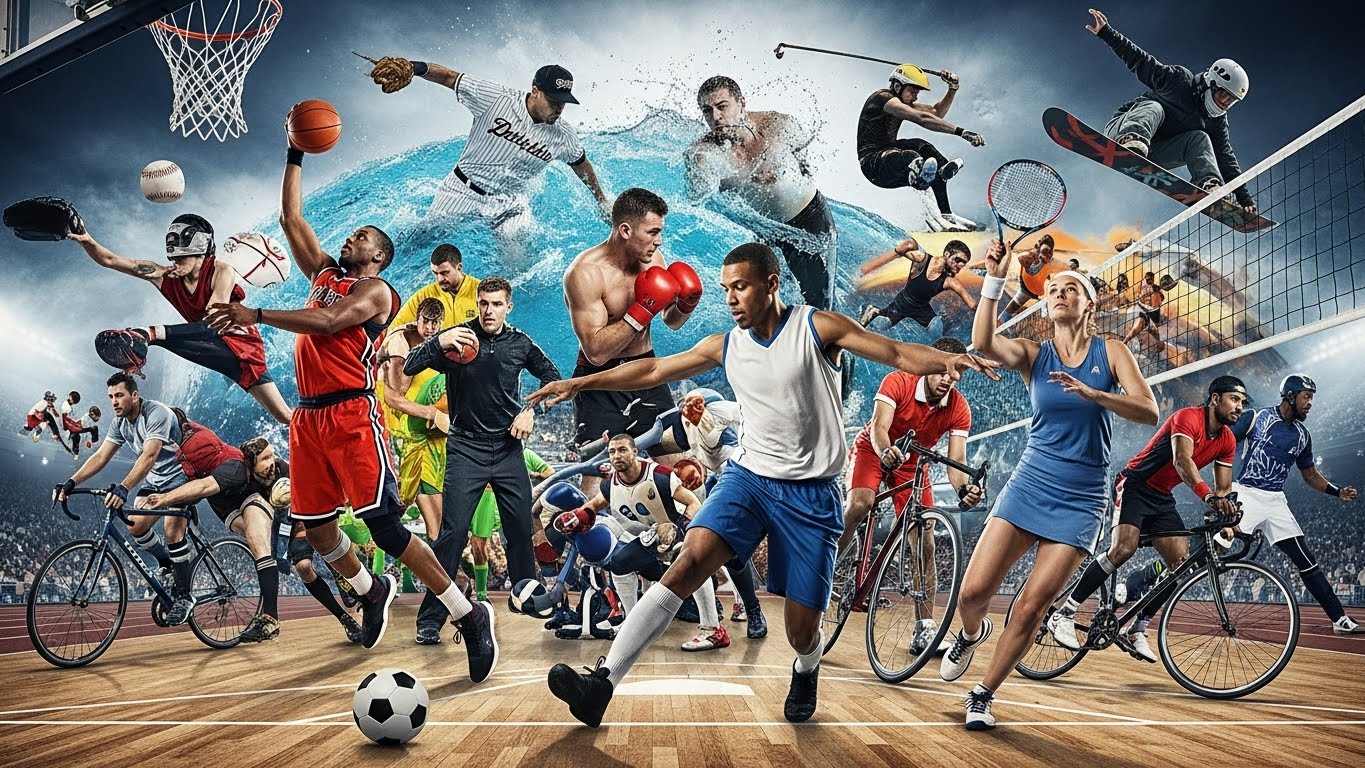
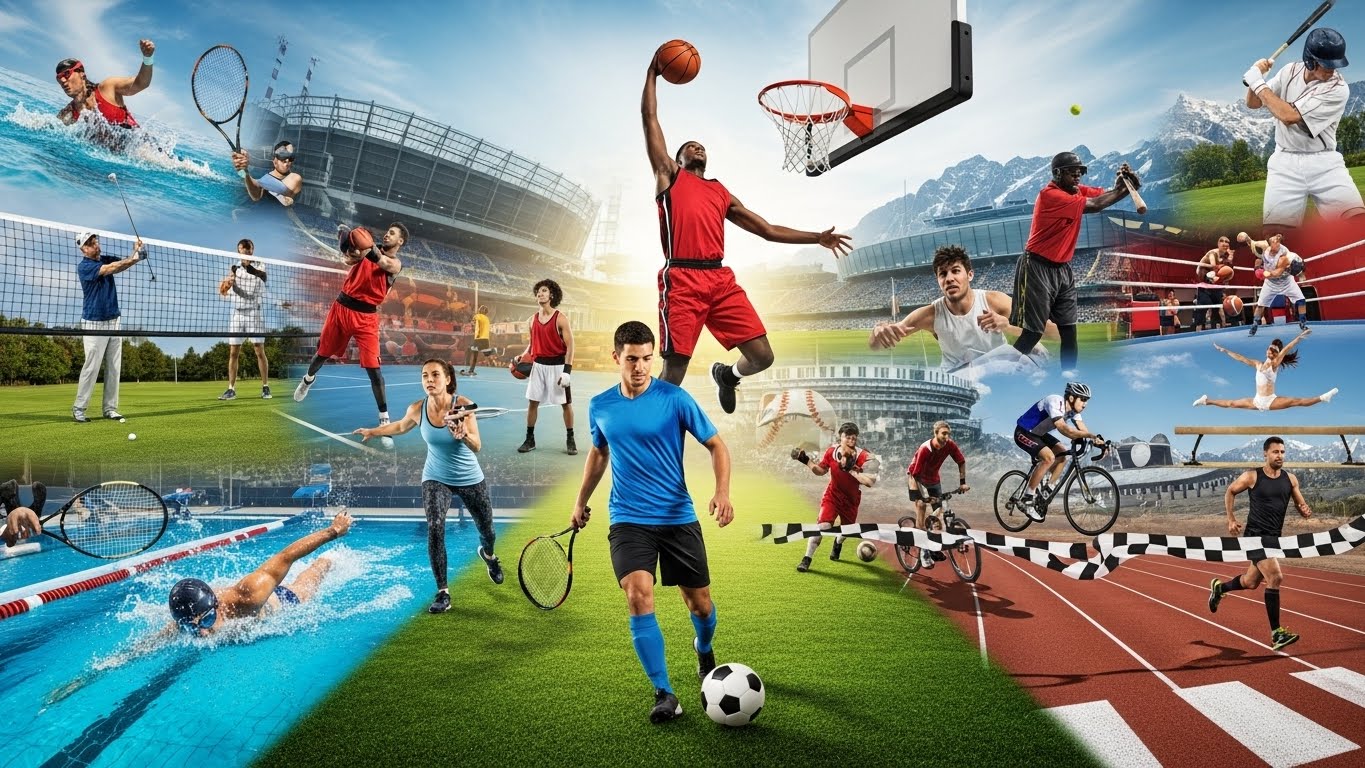
Sports are more than just games; they are a universal language that transcends borders, connects people across cultures, and unites individuals in a shared passion for competition and achievement. From the excitement of a football match to the elegance of gymnastics, the intensity of a boxing match to the speed of a sprint, sports have become an essential part of human culture. What makes sports unique is not only their ability to entertain but also their power to inspire, shape identities, and foster communities.
The impact of sports extends far beyond the playing field. They play a key role in promoting physical health, mental well-being, social connections, and even economic growth. In this blog post, we’ll explore the significance of sports in today’s world, their historical evolution, the role they play in society, and how they shape both individual lives and global cultures.
The Historical Roots of Sports
The roots of modern sports stretch back thousands of years to ancient civilizations. The earliest forms of sport were often tied to survival, military training, or religious practices. In ancient Egypt, for instance, pharaohs would organize competitive events as part of their coronation rituals, where chariot races and wrestling were key attractions. Similarly, in ancient Mesopotamia, ball games and archery competitions were common forms of entertainment and skill-building.
However, it was the ancient Greeks who laid the foundation for many of the sports we recognize today. The Olympic Games, first held in 776 BCE, were more than just athletic contests—they were a celebration of human potential. Athletes competed not only for glory but also for their honor and the pride of their city-states. These games were religious events held in the honor of Zeus, and the competitions ranged from running to wrestling, boxing, and even chariot races.
The legacy of the ancient Olympics continues to this day, with the modern Olympic Games becoming one of the most prestigious global sporting events. What began as a local religious ritual has transformed into an international spectacle, drawing millions of viewers and participants from all corners of the globe.
The Rise of Organized Sports
As civilization progressed, sports became more formalized and organized. During the 19th century, sports began to take on the structure we are familiar with today, especially in Western countries. The Industrial Revolution and the rise of urbanization played a pivotal role in the development of organized sports. More leisure time, improvements in transportation, and the creation of public spaces for play led to the birth of competitive sports leagues and professional teams.
One of the most significant milestones in this era was the formation of the Football Association in England in 1863, which standardized the rules of football and paved the way for the modern version of the game. Soon, other countries began adopting similar rules, and football evolved into the global sport we know today. The creation of other sports leagues such as cricket clubs, tennis tournaments, and rugby unions laid the foundation for organized, regulated competitions.
In the United States, major professional leagues like Major League Baseball (MLB), the National Football League (NFL), and the National Basketball Association (NBA) grew in prominence, helping to shape the country’s sports culture. These leagues also set the stage for the commercialization of sports, where television deals, ticket sales, and sponsorships would create vast networks of revenue and media exposure.
The Globalization of Sports
In the 20th century, the commercialization of sports took on a whole new dimension with the advent of mass media. Television played a monumental role in bringing sports to millions of people worldwide, making sports more accessible and more popular than ever. By the mid-1900s, sports like football, basketball, tennis, and the Olympics had developed massive global audiences.
Football (soccer), in particular, became the world’s most widely followed sport. With international tournaments like the FIFA World Cup and the UEFA Champions League, football provided a platform for players and teams to gain worldwide recognition. Stars like Pelé, Diego Maradona, and later, Lionel Messi and Cristiano Ronaldo, became global icons, not just for their skill but for their ability to connect with people from all walks of life.
The rise of basketball and the global influence of the NBA also played a significant role in the global spread of sports. American players like Michael Jordan and Kobe Bryant became household names worldwide, inspiring young athletes everywhere to pick up a basketball. Similarly, tennis stars like Serena Williams and Roger Federer have transcended their sport, becoming cultural figures in their own right.
Sports were no longer limited to their place of origin; they became a shared experience that united people across continents. Fans from all over the world could watch games on television, attend live events, and discuss their favorite teams and players through global media channels. Social media platforms further amplified this sense of community, with fans engaging in real-time conversations, sharing opinions, and celebrating victories together.
The Cultural Impact of Sports
Sports have a profound cultural impact on society. They shape identities, foster a sense of belonging, and bring communities together. Whether it’s a local neighborhood league or a global competition, sports provide an outlet for people to express their passion, support their heroes, and take pride in their teams.
At the national level, sports can serve as a source of unity. Events like the FIFA World Cup or the Olympics provide countries with the opportunity to rally behind their athletes, creating a sense of national pride and collective spirit. These tournaments often highlight the best qualities of a nation—resilience, teamwork, and determination—while also allowing countries to showcase their culture and history to the world.
On a local level, sports can play a role in strengthening community bonds. Youth leagues, amateur competitions, and even informal games in the park can help build friendships, teach valuable life skills, and foster teamwork. For many, sports offer an escape from the pressures of daily life, a place where individuals can come together, set aside differences, and enjoy the simple joy of competition.
Moreover, sports have become a powerful tool for social change. Athletes have used their platform to raise awareness about issues ranging from racial equality to gender rights. Icons like Jackie Robinson, Muhammad Ali, Colin Kaepernick, and Billie Jean King have leveraged their fame to fight for justice and equality, proving that sports can be a catalyst for societal transformation. Their courage in standing up for what they believe in has inspired generations of athletes to use their voices for change.
The Health and Well-Being Benefits of Sports
Beyond their social and cultural influence, sports have tangible benefits for physical and mental health. Engaging in physical activity, whether it’s through organized sports or casual recreation, improves cardiovascular health, strengthens muscles, enhances flexibility, and helps maintain a healthy weight. It also lowers the risk of chronic diseases such as diabetes, hypertension, and certain types of cancer.
Sports also promote mental well-being by reducing stress and anxiety. The endorphins released during physical activity are natural mood boosters, and regular participation in sports can help improve self-esteem and confidence. Whether it’s the thrill of competition or the camaraderie of being part of a team, sports provide an outlet for emotional expression and can help people develop coping mechanisms for life’s challenges.
For youth, sports play an especially important role in personal development. Participation in team sports teaches essential life skills such as communication, leadership, discipline, and time management. Athletes learn the importance of setting goals, working toward them, and persevering through adversity. These skills are not only valuable on the field but also translate into other areas of life, such as education and career.
The Commercialization and Future of Sports
The commercialization of sports has created a vast industry with significant financial rewards for players, teams, and organizations. Major sports leagues generate billions in revenue each year from ticket sales, merchandise, media rights, sponsorships, and advertising. This money flows into the pockets of top athletes, many of whom have become some of the highest-paid individuals in the world.
As sports continue to evolve, technology will play an increasingly important role in their future. From wearable devices that track athletes’ performance to virtual reality training tools, the integration of technology into sports has the potential to revolutionize the way athletes train, compete, and interact with fans. E-sports, the competitive side of video gaming, is also poised for explosive growth, offering new opportunities for both players and fans alike.
The global demand for sports content will likely continue to grow, as will the quest for new and exciting forms of entertainment. Leagues and organizations will continue to innovate, offering more immersive experiences for fans both in the stadium and at home. As sports become more integrated with digital platforms and social media, fans will be able to engage with their favorite athletes and teams in ways that were previously unimaginable.
Conclusion: A Lifelong Love for Sports
Sports have the power to entertain, inspire, and unite people like no other force. From their ancient origins to their current status as a global phenomenon, sports have evolved in ways that reflect the changing dynamics of our world. They offer more than just competition; they offer a chance to connect, grow, and build communities. Whether you are an athlete or a fan, sports provide an outlet for passion, expression, and belonging.
In the future, sports will continue to shape the world in new and exciting ways. The technology, commercialization, and global reach of sports will only expand, bringing even more opportunities for players and fans to experience the joy of the game. As long as there is competition, there will be sports, and as long as there are sports, there will be people who embrace them as a vital part of the human experience.