






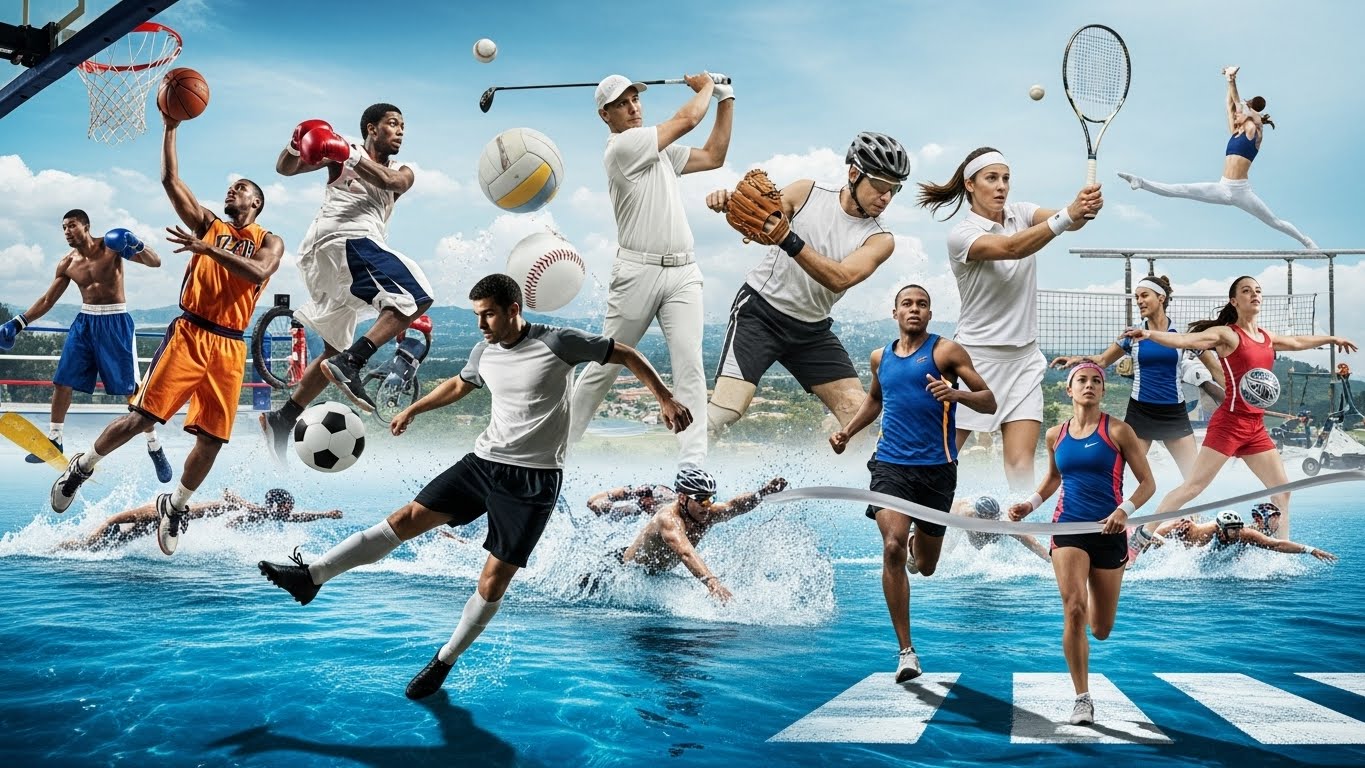
Sports are more than just games. They are mirrors reflecting human determination, resilience, and passion. From the crack of a bat to the final whistle, every movement in sports carries stories of struggle, victory, and growth. In today’s world, sports influence culture, technology, and even social progress, making them essential not just for entertainment but for shaping society. This article explores the multifaceted impact of sports, the rise of athletes as role models, and the evolving ways people engage with sports worldwide.
The Evolution of Sports in Modern Times
Sports have undergone a significant transformation over the last few decades. What was once a simple pastime has turned into a global industry that connects millions of people. Advancements in technology, training techniques, and media coverage have redefined how sports are played, consumed, and appreciated.
Modern training programs leverage data analytics to optimize performance. Wearable devices monitor heart rates, motion, and fatigue, allowing athletes to fine-tune their routines for peak performance. Nutrition, recovery, and mental health are no longer afterthoughts; they are crucial components of a complete athlete’s lifestyle.
The evolution of sports is also visible in fan experiences. Television broadcasts, online streaming, and interactive apps allow fans to follow games in real-time, access statistics, and engage with players like never before. Sports are no longer bound by location or time zones—they are global experiences that bring people together.
Sports as a Platform for Change
Athletes today are more than just players; they are influential figures who use their platform to address social issues. In an era where global challenges such as climate change, inequality, and mental health awareness dominate public discourse, sports provide a unique avenue for advocacy.
Players across various disciplines advocate for equality, diversity, and human rights. They inspire fans to stand up for justice, demonstrating that sports have the power to influence culture beyond the playing field. Sports are no longer just about winning or losing; they are about setting an example and leading by action.
Building Character Through Sports
Participating in sports is an excellent way to develop essential life skills. Children who engage in organized sports learn teamwork, discipline, and problem-solving. They understand that every action has a consequence and that success requires consistent effort.
Adults also benefit from sports, gaining physical fitness and improved mental health. The practice of sports encourages resilience, perseverance, and the ability to handle setbacks. Whether it’s through a local league, recreational activity, or individual pursuit, sports provide a framework for personal growth and self-improvement.
The Rise of Women in Sports
Women’s participation in sports has grown tremendously, challenging stereotypes and opening new opportunities. Female athletes are now achieving recognition at levels once reserved for men. Women’s football, basketball, cricket, tennis, and track events showcase incredible talent and determination, proving that gender does not define ability.
The success of female athletes inspires millions of young girls to pursue their dreams, breaking barriers that were once considered insurmountable. They demonstrate that equality is not a concept to strive for—it is a reality that can be achieved through dedication and talent.
The Mental Game: Mind Over Matter
While physical strength and agility are crucial, the mental aspect of sports is equally important. Athletes face immense pressure to perform, overcome injuries, and maintain focus. Mental resilience, strategic thinking, and emotional control often determine success more than physical ability alone.
In recent years, the discussion around mental health in sports has become more open. Athletes speak about stress, burnout, and anxiety, helping to remove the stigma associated with seeking psychological support. This focus on mental wellness is a vital reminder that sports are not only about physical triumphs but also about mental strength and balance.
Sports as a Tool for Social Connection
Sports have an unparalleled ability to bring people together. Local communities, national teams, and international tournaments create moments of shared excitement and unity. A major sporting event can bridge cultural, linguistic, and political divides, reminding people of their shared humanity.
Community sports programs also play a critical role in youth development. They offer children a safe and structured environment, providing them with discipline, mentorship, and a sense of belonging. Sports help build social cohesion, instill values, and reduce conflicts in communities around the world.
The Global Stage: International Competitions
Events like the Olympics, World Cup, and major championships represent more than just competition. They are celebrations of culture, talent, and international unity. Athletes from all backgrounds come together to compete, inspiring millions and creating moments that live in collective memory for decades.
International sports events also promote diplomacy and cultural exchange. Countries that might face political tensions on the global stage can find common ground through sportsmanship and shared admiration for athletic excellence. These events highlight the universal appeal of sports, transcending borders and differences.
The Impact of Technology on Sports
Technology has revolutionized both how sports are played and how fans experience them. Instant replay, virtual training, wearable sensors, and AI-assisted analytics have transformed coaching strategies and athlete preparation. Fans now enjoy interactive experiences that allow them to understand the game at a deeper level.
Social media has also reshaped fan engagement. Athletes communicate directly with their followers, creating personal connections that were previously impossible. Fans can celebrate victories, discuss strategies, and share experiences in real-time, enhancing the cultural significance of sports.
New and Unconventional Sports
The definition of sports is expanding beyond traditional games. Adventure sports, esports, skateboarding, parkour, and obstacle racing are gaining popularity worldwide. These disciplines attract people seeking creativity, excitement, and a break from conventional norms.
Esports, in particular, challenges the traditional perception of athleticism. Precision, strategy, and mental stamina are essential for competitive gaming, proving that sports excellence is not limited to physical performance. The rise of unconventional sports also highlights the diversity of human talent and innovation.
Sports and Economic Growth
Sports contribute significantly to local and global economies. Professional leagues, sponsorships, merchandise, tourism, and media rights generate billions in revenue each year. Hosting major events boosts infrastructure development, creates jobs, and strengthens community engagement.
Beyond direct financial gains, sports industries inspire investments in health, education, and youth programs. They demonstrate how passion, entertainment, and commerce can coexist to produce widespread benefits for society.
The Future of Sports
The future of sports promises exciting developments. Virtual reality, AI, and advanced biomechanics will continue to enhance training and fan experiences. Sustainability will play a bigger role, with eco-friendly stadiums, renewable energy, and green initiatives becoming standard practices.
New talents and unconventional sports will continue to emerge, breaking traditional boundaries and inspiring future generations. The universal human desire for challenge, excitement, and connection ensures that sports will remain a vital part of society, evolving to reflect changes in culture, technology, and human ambition.
Conclusion
Sports are far more than games. They are a reflection of human potential, resilience, and creativity. They shape character, inspire change, and unite communities across the world. From local playgrounds to international stadiums, sports impact lives in ways that extend beyond physical achievements.
They teach lessons of perseverance, teamwork, discipline, and emotional intelligence. They provide role models, promote equality, and foster connections that transcend borders. The thrill of competition, the joy of victory, and the lessons from defeat are experiences that resonate universally.
In a world that is constantly changing, sports remain a timeless reminder of what it means to dream, to strive, and to overcome. They are not just games—they are powerful instruments for personal growth, social unity, and global inspiration.