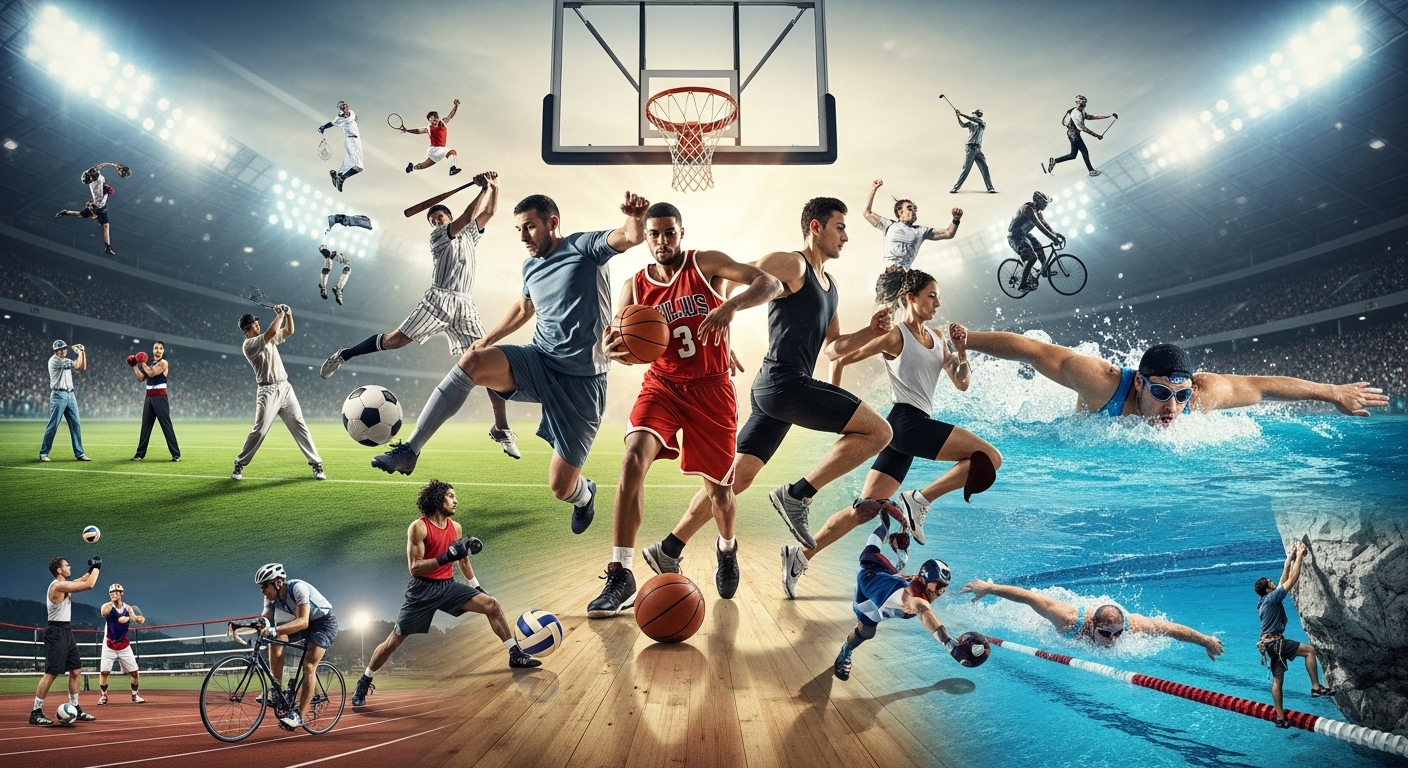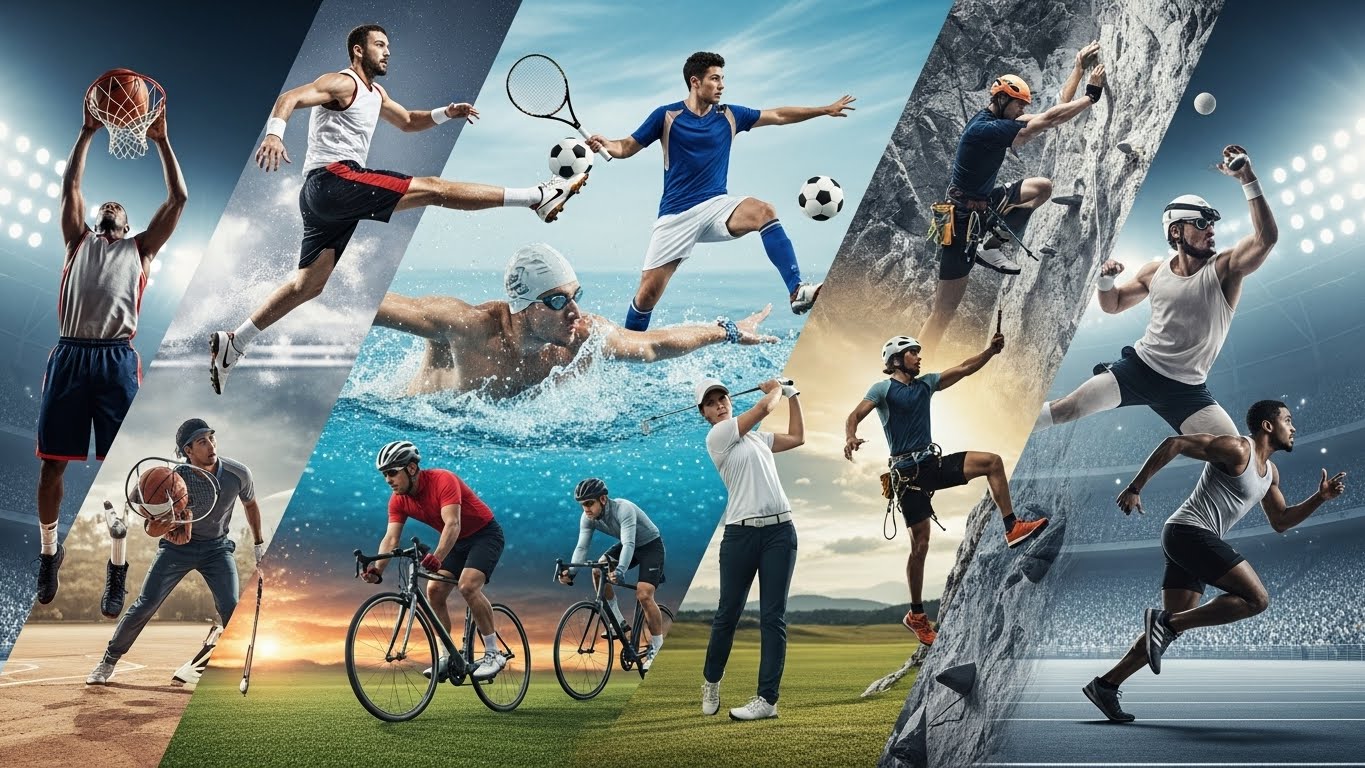






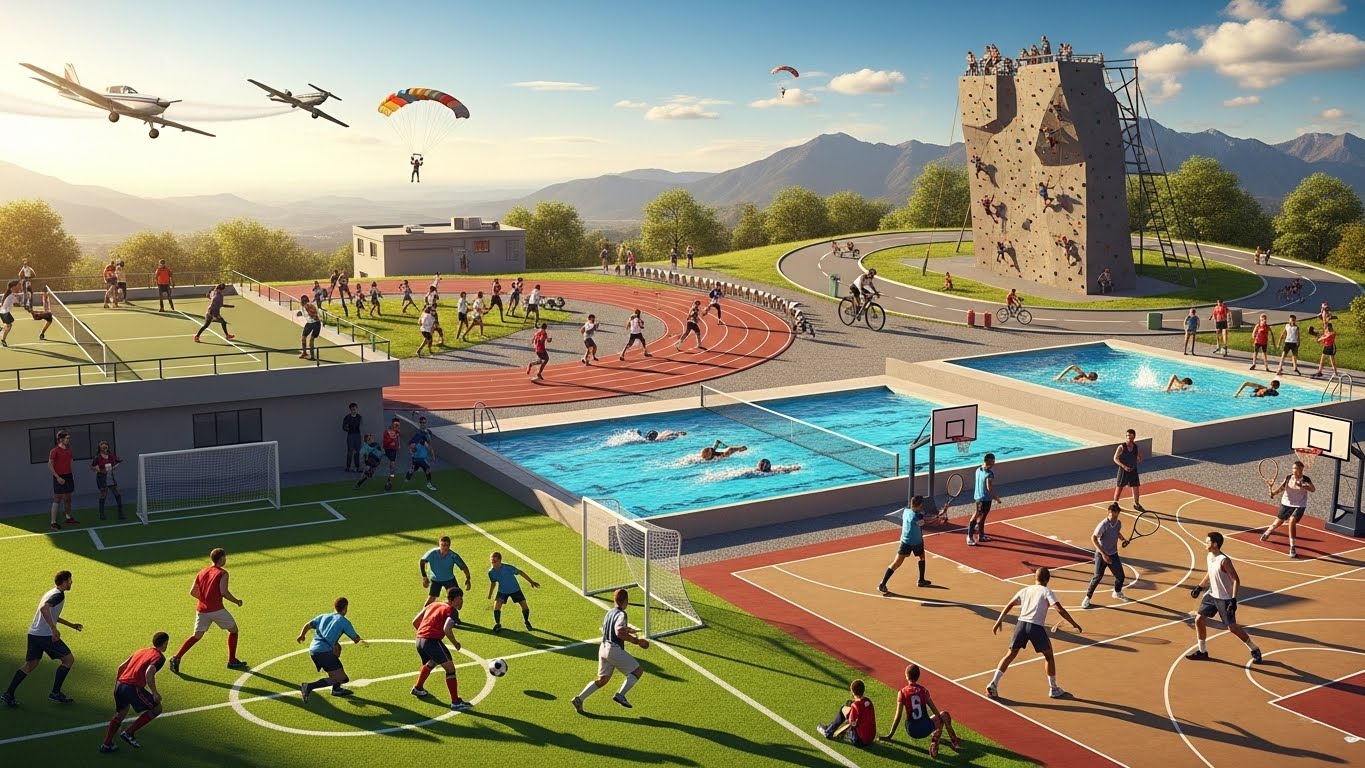
Sports have been an integral part of human civilization for centuries. From ancient competitions to modern professional leagues, they have played a vital role in shaping culture, fostering community, and promoting health. Beyond entertainment, sports influence social cohesion, personal development, and even economic growth. This blog explores the multifaceted world of sports, examining their historical evolution, impact on physical and mental health, role in society, and the future of athletic endeavors.
The Historical Roots of Sports
Sports are as old as civilization itself. Early humans engaged in physical activities such as hunting, running, and wrestling to develop survival skills. Over time, these activities evolved into organized competitions, reflecting cultural, religious, and social values. Ancient Greece is often credited with formalizing competitive sports through the Olympic Games, which celebrated physical excellence and unity among city-states.
Similarly, cultures around the world, including those in Egypt, China, and Mesoamerica, held athletic contests that were intertwined with rituals, education, and military training. These early forms of sport were not only recreational but also served as a tool for socialization and discipline, laying the foundation for modern athletic traditions.
Sports and Physical Health
The most visible benefit of sports is their positive impact on physical health. Regular participation strengthens muscles, improves cardiovascular health, enhances flexibility, and boosts endurance. Activities like running, swimming, football, and cycling help prevent lifestyle-related diseases such as obesity, diabetes, and heart disease.
Children who engage in sports develop motor skills, coordination, and overall fitness, creating habits that last a lifetime. For adults, sports provide an organized way to stay active and maintain a healthy lifestyle. Even recreational activities like hiking, yoga, and dancing contribute significantly to physical wellness and long-term vitality.
Mental Health and Emotional Well-being
Sports are not just about the body; they are also a powerful tool for mental health. Physical activity stimulates the release of endorphins, reducing stress, anxiety, and depression. Participation in sports improves focus, memory, and overall cognitive function, making it beneficial for both children and adults.
Team sports, in particular, teach important life skills such as communication, leadership, and collaboration. Athletes learn to cope with pressure, handle setbacks, and celebrate success, building resilience and confidence. The sense of achievement from mastering a skill or winning a competition enhances self-esteem, fostering a positive outlook on life.
The Social Impact of Sports
Sports have the unique ability to unite people, transcending cultural, linguistic, and social barriers. Major sporting events like the FIFA World Cup or the Olympic Games bring millions together, creating shared experiences that foster global unity. At the local level, sports clubs and recreational leagues strengthen communities, encouraging teamwork, inclusion, and friendship.
Sports also play a role in promoting social equality. Initiatives for women, differently-abled individuals, and marginalized communities provide access to opportunities that might otherwise be unavailable. By participating in sports, people learn respect, fair play, and empathy, building the social skills needed to navigate diverse societies.
The Science Behind Athletic Performance
Modern sports are deeply rooted in science. Sports science combines physiology, nutrition, biomechanics, and psychology to optimize athletic performance. Athletes today follow carefully designed training regimes that balance strength, endurance, flexibility, and mental conditioning.
Nutrition is crucial for fueling performance and recovery, while physiotherapy and injury prevention techniques help athletes maintain peak physical condition. Technological innovations, such as wearable sensors and performance analytics, allow coaches to monitor training progress and fine-tune strategies. Sports science has transformed athletic potential, pushing the boundaries of what the human body can achieve.
Iconic Athletes and Their Influence
Throughout history, certain athletes have transcended their sport to inspire generations. Figures such as Serena Williams, Lionel Messi, Michael Jordan, and Usain Bolt are celebrated not only for their achievements but also for their resilience, discipline, and leadership.
These athletes demonstrate that success is a combination of talent, hard work, and mental fortitude. Their stories motivate young athletes to pursue dreams, overcome obstacles, and embrace the values of sportsmanship. Beyond the field, they often serve as role models, influencing culture, society, and even social change.
Technology and the Modern Sports Experience
Technology has transformed how sports are played, analyzed, and experienced. Video replay systems, goal-line technology, and instant decision-making tools improve fairness and accuracy in competitions. Wearable devices monitor heart rate, fatigue levels, and movement patterns, enhancing training efficiency and injury prevention.
Fans, too, benefit from technology. High-definition broadcasts, live streaming, and virtual reality experiences allow audiences to engage with sports like never before. Social media connects athletes with fans, creating communities and fostering global support. Technology ensures that sports continue to evolve, offering new opportunities for athletes and enthusiasts alike.
Economic and Cultural Significance
Sports contribute significantly to economies worldwide. Professional leagues, tournaments, and sponsorships generate employment, tourism, and revenue. Stadiums, merchandise, and media rights create economic ecosystems that benefit communities and countries.
Culturally, sports shape national identity and pride. Victories on international stages often unify populations, while local sports traditions preserve heritage and foster community spirit. Sports are not merely entertainment—they are a reflection of society, its values, and aspirations.
Challenges Facing the World of Sports
Despite their benefits, sports face numerous challenges. Doping, corruption, and unethical practices threaten integrity and fair play. Commercial pressures and media scrutiny can negatively impact athlete well-being, contributing to burnout and mental health issues.
Access and inclusivity remain significant hurdles. Economic inequality, gender discrimination, and limited infrastructure prevent many from participating in sports. Addressing these challenges requires collaboration between governments, organizations, and communities to ensure sports remain fair, accessible, and enriching for all.
Sports in Education
Incorporating sports into education offers profound benefits. School and college sports programs teach discipline, time management, and teamwork. Students learn to balance academics with physical activity, developing skills that prepare them for life beyond the classroom.
Sports in education also promote character development. They instill values such as perseverance, humility, and leadership. Participating in competitions teaches students to handle pressure, setbacks, and victory gracefully. Educational sports programs create well-rounded individuals capable of thriving in diverse environments.
The Globalization of Sports
Sports have become increasingly globalized, connecting people across continents. International leagues, tournaments, and multi-national teams attract audiences from around the world. Football clubs, basketball leagues, and cricket tournaments showcase talent from multiple nations, creating shared global experiences.
Globalization also brings economic and cultural benefits. It promotes the exchange of ideas, training techniques, and sports science innovations. Fans and athletes alike gain exposure to diverse cultures, fostering understanding and unity through shared passions.
The Future of Sports
The future of sports promises innovation, inclusivity, and evolution. Advances in technology, nutrition, training methods, and data analytics will continue to redefine athletic performance. Emerging areas such as e-sports and virtual competitions are expanding the definition of sports, engaging younger generations and global audiences.
Sports will increasingly serve as platforms for social impact, promoting diversity, sustainability, and equality. Initiatives to address environmental concerns, provide access to underprivileged communities, and support athlete well-being will define the next era of sports. The games of the future will inspire, educate, and unite in unprecedented ways.
Conclusion
Sports are far more than competition—they are a reflection of human ambition, resilience, and creativity. They improve physical and mental health, foster social bonds, and influence culture and economy. Athletes inspire, technology enhances, and communities thrive through the power of play.
As we celebrate victories, learn from defeats, and embrace the challenges of athletic pursuit, sports remind us of the limitless potential of human spirit. Whether on local fields or international arenas, sports continue to shape individuals and societies, proving that the power of play is truly transformative.