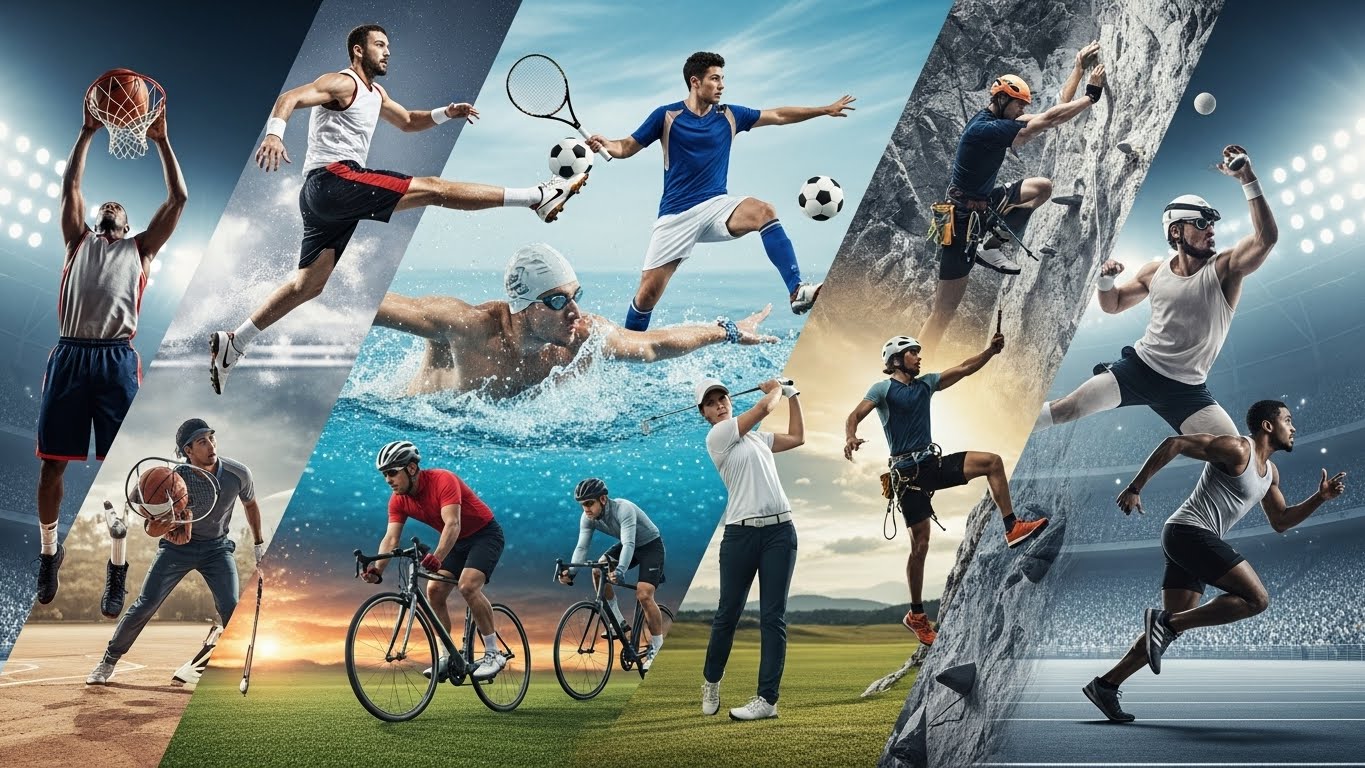







Sports have always been an integral part of human civilization. From the earliest forms of physical contests in ancient societies to the highly organized international competitions of today, sports have been much more than just games. They serve as a reflection of cultural values, a platform for personal growth, and a unifying force across communities. The power of sports lies not only in the thrill of victory or the pain of defeat but also in the lessons, experiences, and connections they foster. Understanding the multifaceted impact of sports reveals why they hold such an enduring place in our lives.
A Journey Through the History of Sports
The origins of sports date back thousands of years, with evidence of organized competitions in civilizations such as Ancient Greece, Egypt, and China. In Greece, the Olympic Games celebrated physical excellence, discipline, and the spirit of competition, becoming a cornerstone of Greek culture. Similarly, in Egypt and Mesopotamia, athletic contests were often tied to religious rituals and community celebrations. Over centuries, sports evolved alongside societies, adapting to cultural, technological, and social changes. Despite these changes, the essence of sports—a combination of skill, strategy, and determination—has remained constant, highlighting its timeless appeal.
Personal Growth Through Sports
Participation in sports provides opportunities for immense personal development. Engaging in physical activities requires discipline, dedication, and perseverance. Athletes learn to set goals, overcome challenges, and push beyond perceived limitations. These lessons often extend beyond the playing field, influencing career success, personal relationships, and overall well-being. For children and adolescents, sports serve as a tool for building confidence, resilience, and teamwork. Adults benefit as well, as regular physical activity contributes to mental clarity, stress relief, and physical health. In this way, sports cultivate both the mind and body, equipping individuals to face life’s challenges with strength and determination.
Team Sports and Social Skills
Team sports offer a unique environment for developing social and interpersonal skills. Playing on a team requires effective communication, cooperation, and the ability to handle conflicts constructively. Athletes learn empathy, leadership, and accountability, skills that extend into professional and personal settings. Communities also benefit from team sports, as local leagues, school competitions, and recreational events bring people together, fostering connections across diverse backgrounds. The bonds formed through sports often last a lifetime, creating networks of friendship, mentorship, and support that enrich both individual and community life.
The Global Reach of Sports
In the modern era, sports have transcended local and national boundaries to become a global phenomenon. International tournaments and championships captivate audiences worldwide, creating shared experiences and cultural exchange. Sports provide a platform for nations to showcase talent, foster pride, and promote unity. They also serve as drivers of economic activity, creating jobs, tourism, and business opportunities. Beyond economics, sports have the power to advocate for social issues, raise awareness, and inspire change. From promoting environmental sustainability to supporting equality and inclusion, sports act as a catalyst for broader societal impact.
Women in Sports: Breaking Barriers
For centuries, sports were predominantly male-dominated, but women have increasingly carved out their space, challenging stereotypes and demonstrating exceptional talent. The rise of women’s leagues, international competitions, and media recognition has elevated female athletes to global prominence. Participation in sports empowers women, providing opportunities for personal development, leadership, and advocacy. Young girls look up to these athletes as role models, seeing firsthand that gender does not define capability or ambition. The ongoing push for equity in sports emphasizes the importance of equal opportunities, representation, and respect for all participants.
Mental and Emotional Benefits of Sports
The advantages of sports extend beyond physical health. Engaging in athletic activity promotes mental well-being, reducing stress and enhancing mood through the release of endorphins. Regular participation in sports can improve focus, cognitive function, and emotional resilience. Athletes experience a sense of purpose, accomplishment, and self-identity through their engagement in sports. Facing challenges, setting goals, and achieving milestones cultivate perseverance and optimism. Whether played recreationally or competitively, sports provide a mental and emotional outlet that strengthens overall well-being and life satisfaction.
Technology and the Evolution of Sports
Technology has transformed the world of sports, influencing both how games are played and how they are experienced. Advanced training equipment, wearable technology, and performance analytics allow athletes to refine skills and monitor their progress with precision. Video review systems and instant replay enhance fairness and accuracy during competitions. For fans, digital platforms provide real-time updates and immersive viewing experiences, bridging geographical barriers. While technology offers numerous benefits, it also challenges traditional notions of human skill, fairness, and competition. Nevertheless, the integration of technology continues to enhance both performance and engagement in sports.
Sports in Education
In educational contexts, sports play a crucial role in shaping students’ overall development. Schools and universities incorporate athletic programs to promote physical health, teamwork, and leadership skills. Participation in sports teaches time management, discipline, and perseverance. It also provides an avenue for stress relief, social interaction, and community building. Athletic scholarships and programs offer pathways to higher education and professional opportunities. By combining academic and athletic development, schools prepare students to excel in multiple dimensions of life, equipping them with the skills and confidence to succeed beyond the classroom.
Sports as a Mirror of Society
Sports often reflect the values, challenges, and aspirations of the societies in which they exist. Issues of inclusion, fairness, and ethics in sports frequently parallel broader social concerns. The way communities celebrate victories, respond to controversies, and honor achievements provides insight into collective cultural values. Sports heroes often become symbols of perseverance, integrity, and excellence, inspiring societal admiration and emulation. In this sense, sports are not merely recreational activities but a lens through which societies can examine themselves, their progress, and their priorities.
National Identity and Pride
On an international level, sports are closely tied to national identity. Global tournaments become arenas where nations demonstrate talent, strategy, and resilience. Success in sports fosters national pride, unity, and collective celebration. Even setbacks prompt reflection and motivation for improvement, reinforcing a sense of shared identity and purpose. Sports also promote diplomacy and cultural exchange, allowing nations to engage positively on a global stage. The connection between sports and national identity illustrates the profound social, emotional, and cultural significance of athletic endeavors.
The Future of Sports
The landscape of sports is constantly evolving. Trends such as inclusivity, technological innovation, and global accessibility are shaping the future. Adaptive sports for differently-abled athletes are gaining recognition, emphasizing the universality of athletic participation. Virtual and augmented reality are revolutionizing fan engagement, making sports experiences interactive and immersive. Environmental sustainability, ethical practices, and responsible management are becoming increasingly important in sports infrastructure and organization. The future of sports lies in balancing tradition with innovation while ensuring that the physical, social, and emotional benefits remain accessible to everyone.
Conclusion: The Enduring Legacy of Sports
Sports are far more than competitions or entertainment. They are instruments of personal growth, social cohesion, cultural reflection, and national pride. From ancient traditions to modern global events, sports continue to celebrate human potential, perseverance, and connection. Participation fosters discipline, resilience, teamwork, and mental well-being, while simultaneously shaping communities and societies. As technology, culture, and education evolve, the essence of sports remains timeless: a celebration of human skill, spirit, and collaboration. Embracing sports in every form allows individuals and societies to grow, inspire, and thrive, demonstrating that the impact of sports goes far beyond the boundaries of the playing field.