





The Universal Language of Sports
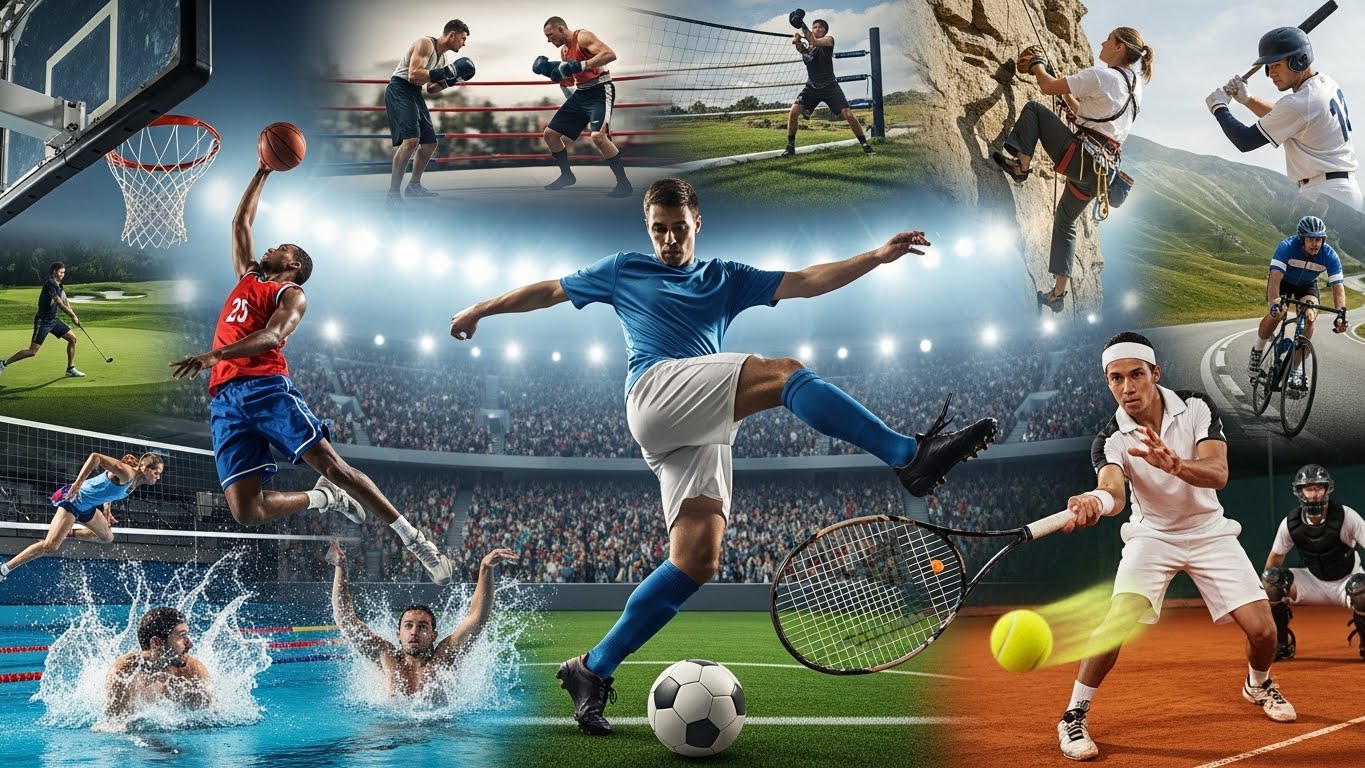
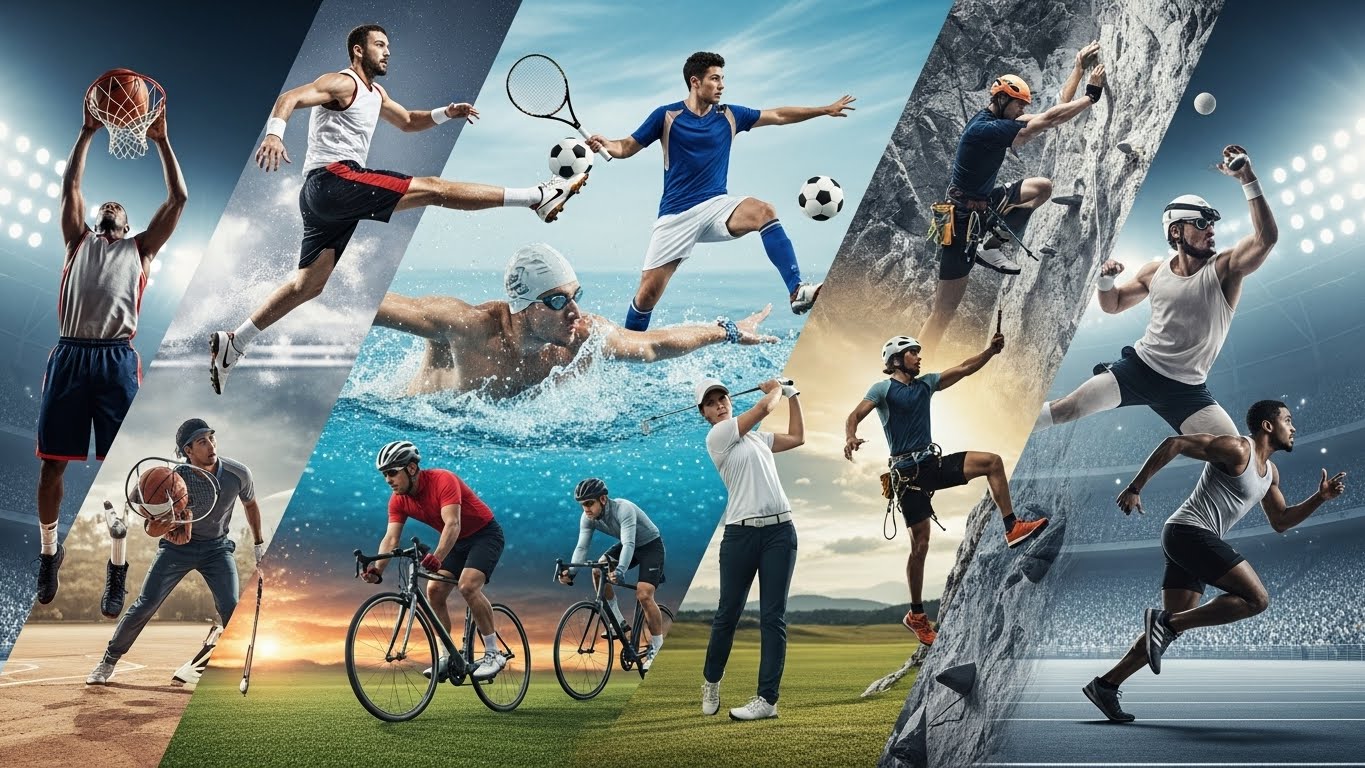
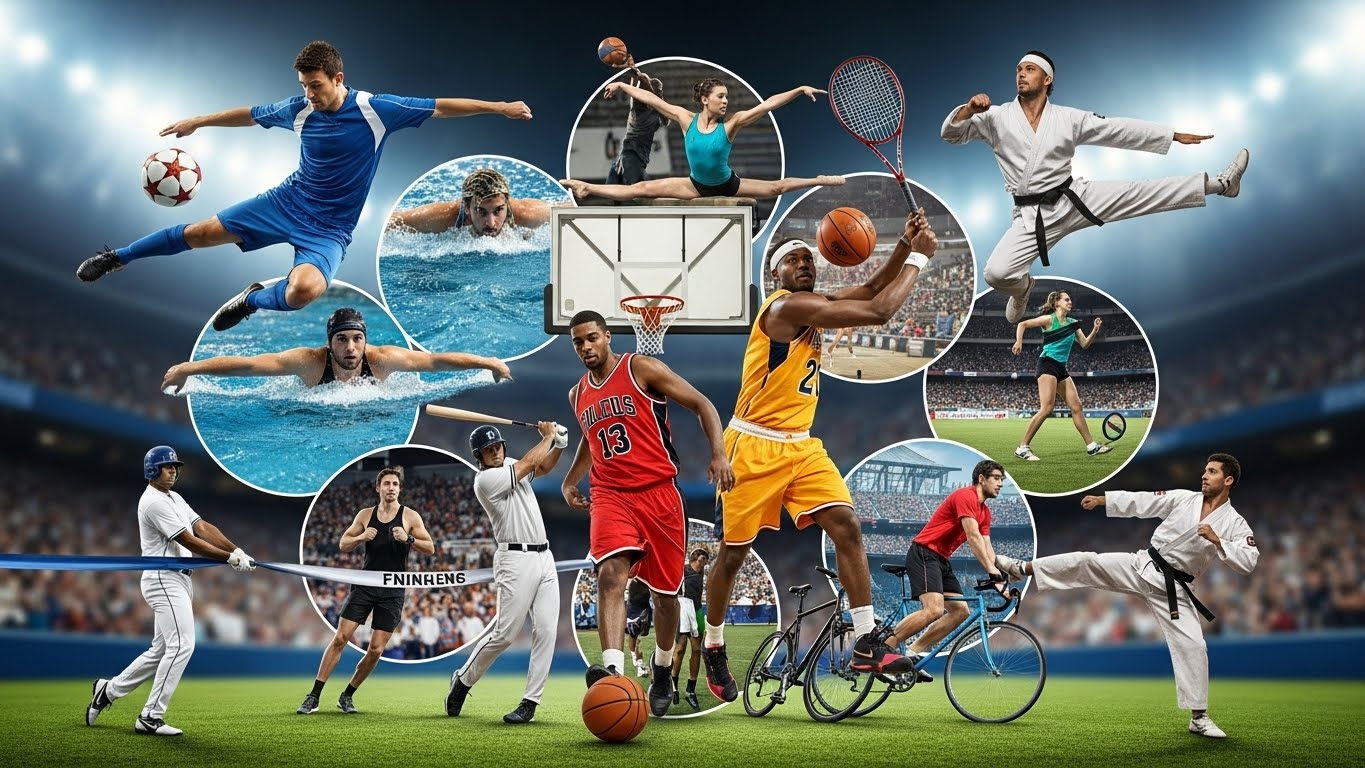
Sports have always been more than just games. Across continents, cultures, and generations, sports act as a universal language, bridging differences and creating connections. Whether it’s a child playing soccer in a dusty field in Africa, a young woman competing in a marathon in Europe, or a family cheering for their favorite team in Asia, the passion for sports transcends borders. The thrill of competition, the dedication to training, and the celebration of achievement are experiences shared by millions, creating a global community united by athletic pursuit.
The beauty of sports lies in its simplicity. At its core, it is movement, skill, and strategy, but it also carries profound social, psychological, and cultural significance. Sports teach discipline, resilience, and teamwork, skills that extend far beyond the playing field. They inspire individuals to push their limits and provide a platform for talent and determination to shine.
The Physical Benefits of Sports
Engaging in sports has undeniable physical advantages. Regular participation strengthens muscles, improves cardiovascular health, enhances flexibility, and increases endurance. Different sports target different areas of fitness: running and swimming build stamina, weightlifting enhances strength, while yoga and gymnastics improve balance and flexibility. Even team sports like soccer or basketball provide a combination of strength, agility, and cardiovascular conditioning.
Physical activity through sports also plays a crucial role in maintaining a healthy weight, reducing the risk of chronic diseases, and improving overall longevity. For young people, involvement in sports fosters healthy growth and development, while for adults, it provides a structured means to maintain fitness and combat the sedentary nature of modern life.
Mental Health and Emotional Resilience
Sports are not only about physical prowess; they have significant mental health benefits. Engaging in athletic activities reduces stress by releasing endorphins, the body’s natural mood lifters. It can help combat anxiety and depression, providing a healthy outlet for emotional expression. Regular participation in sports encourages focus, mindfulness, and mental discipline, which are essential skills both on and off the field.
Moreover, sports cultivate resilience. Facing setbacks, losing matches, or enduring injuries teaches individuals to cope with challenges, recover quickly, and maintain motivation. These lessons in perseverance are invaluable in everyday life, shaping individuals into more confident and emotionally balanced people.
Teamwork and Leadership Skills
Team sports, in particular, are powerful tools for developing interpersonal skills. Players learn the importance of communication, collaboration, and empathy. Understanding the strengths and weaknesses of teammates, offering support, and working toward a common goal cultivates leadership and cooperation. These skills often translate into professional and personal success, making athletes not only better players but also better collaborators and leaders in society.
Leadership in sports is not always about being the captain. It can be as simple as motivating a teammate, setting an example through hard work, or demonstrating integrity on the field. Sports provide a natural environment to nurture these qualities, which can later impact communities and workplaces positively.
Cultural Impact and Identity
Sports have a profound cultural impact. National pride often finds expression through sports, whether during the Olympics, World Cups, or regional championships. They offer a sense of identity and belonging, uniting people in celebration or even shared disappointment. Iconic athletes often become symbols of hope, perseverance, and excellence, influencing generations and inspiring social change.
For example, historic sporting achievements often transcend the event itself, leaving a lasting imprint on society. Athletes who break records or challenge stereotypes become role models, demonstrating that dedication, talent, and courage can overcome obstacles, whether societal, economic, or personal.
Economic Influence of Sports
Sports are not only a cultural and social phenomenon; they also have substantial economic significance. Professional leagues, tournaments, and sporting events generate employment, stimulate tourism, and drive consumer spending. The sports industry includes athletes, coaches, event organizers, media professionals, sponsors, and merchandise producers, creating a vast ecosystem that contributes to national and global economies.
Local communities also benefit economically when sports facilities, clubs, and events attract visitors and investment. Grassroots sports programs can even boost local economies by encouraging youth participation, improving health outcomes, and fostering community engagement.
Technology and Innovation in Sports
Modern sports have been transformed by technology and innovation. Advanced training equipment, performance analytics, and wearable technology help athletes optimize their abilities. Video analysis enables coaches to identify strengths and weaknesses, while data-driven strategies enhance team performance. Even fans experience the impact of technology through virtual reality, instant replays, and interactive apps, making the sporting experience more immersive than ever.
Innovation also extends to sports medicine, where cutting-edge treatments and rehabilitation methods help athletes recover from injuries faster and more effectively. Nutrition, mental conditioning, and biomechanics have become integral parts of an athlete’s regimen, showing that success in sports now depends on more than talent alone.
Inspiring the Next Generation
Perhaps the most enduring impact of sports is their ability to inspire the next generation. Young athletes watch their heroes and dream of achieving similar greatness. Participation in sports teaches children essential life skills, including goal setting, self-discipline, time management, and perseverance. It instills values such as fair play, respect for others, and the importance of hard work, which contribute to character development.
Youth sports programs are particularly important for providing safe environments where children can grow, learn, and form lifelong friendships. They also serve as platforms for discovering talent and nurturing future professional athletes who may one day make their mark on the world stage.
Social Integration and Community Building
Sports foster social integration and community building. Public sporting events, local leagues, and community programs bring people together regardless of age, gender, ethnicity, or background. Shared enthusiasm for a team or sport creates bonds and strengthens social cohesion. In many regions, sports also serve as tools for social outreach, promoting inclusivity, equality, and positive societal values.
Community-based sports initiatives can address social challenges by engaging youth in productive activities, reducing crime rates, and providing mentorship opportunities. Sports thus play a dual role: entertaining and uniting people while also serving as a vehicle for social development and empowerment.
The Role of Ethics and Sportsmanship
Ethics and sportsmanship are fundamental aspects of any sport. Fair play, respect for opponents, and adherence to rules ensure that competition remains honorable and meaningful. Athletes who demonstrate integrity on and off the field set a standard for others, reinforcing that character is as important as skill. The lessons learned through ethical sports participation often influence personal conduct in broader life situations, emphasizing honesty, accountability, and respect for others.
Conclusion: Sports as a Catalyst for Growth
In conclusion, sports are far more than games or entertainment; they are powerful catalysts for growth, health, and social cohesion. They offer physical, mental, and emotional benefits, nurture leadership and teamwork, inspire cultural pride, and stimulate economic development. Technological advancements continue to enhance both performance and spectator experience, while youth programs ensure that sports remain a vehicle for education and character building.
By engaging in sports, individuals discover resilience, discipline, and joy, while communities experience unity, pride, and shared purpose. The impact of sports reaches far beyond the field, creating ripples that touch lives, shape societies, and inspire generations. In every sprint, goal, or victory, sports reaffirm one timeless truth: the human spirit thrives through movement, challenge, and connection.