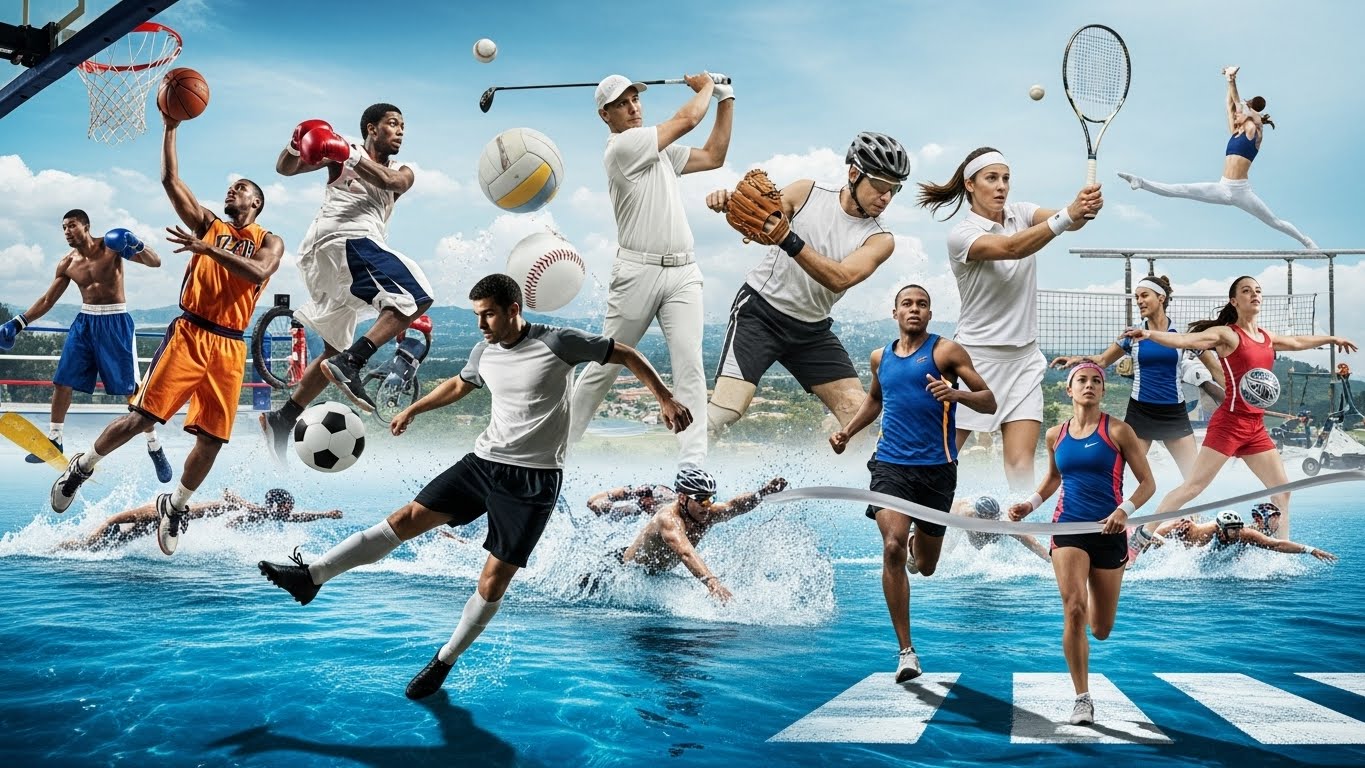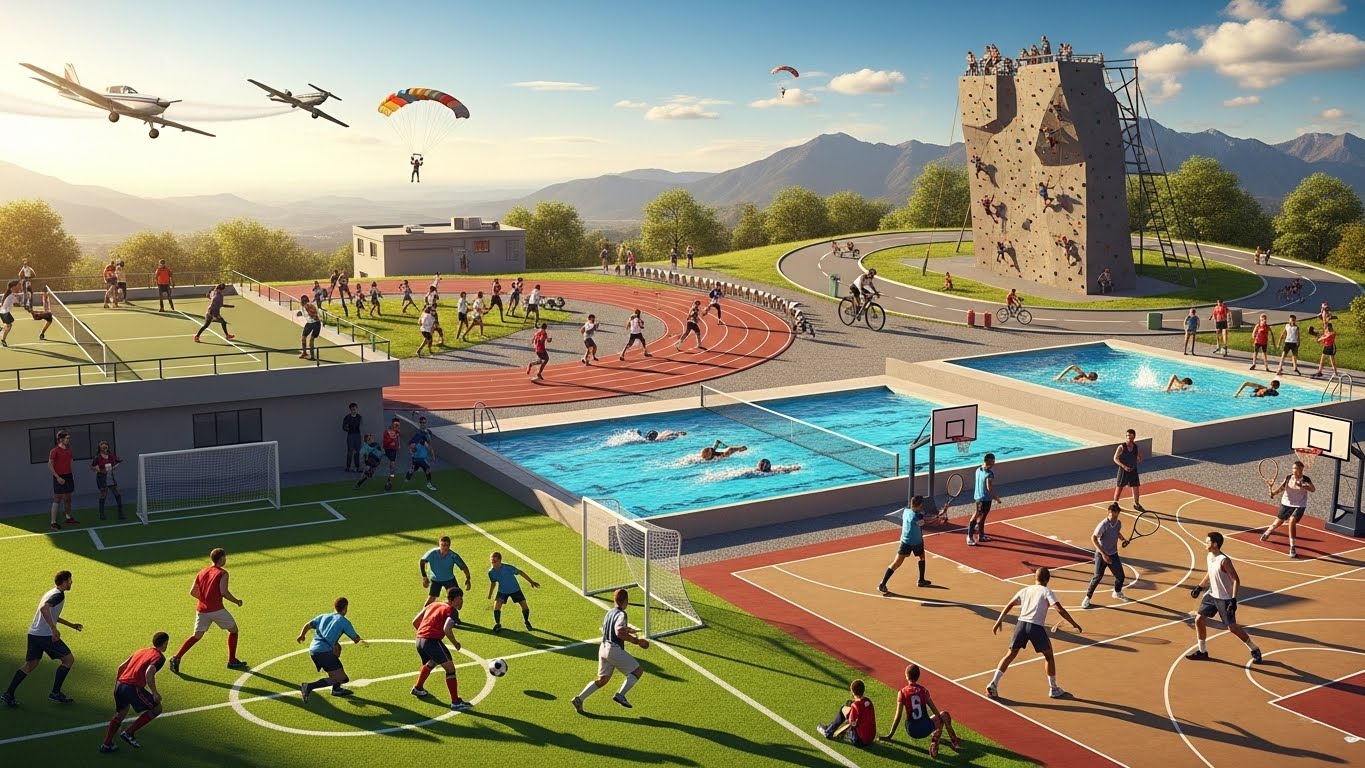







Sports have always been an integral part of human culture, serving as both a form of entertainment and a way to promote physical health. From ancient civilizations to modern-day athletic spectacles, sports have evolved tremendously, reflecting changes in technology, culture, and society. This post explores the journey of sports through the ages, examining how they have transformed from simple games into the global phenomena we witness today.
1. The Origins of Sports: Ancient Beginnings
The history of sports stretches back thousands of years. The earliest recorded instances of organized physical activities date back to ancient civilizations, where games often had both recreational and ritualistic significance. In ancient Greece, for example, the Olympic Games were born in 776 BCE. These games were held in honor of the gods and were the most significant athletic event in Greek society. They featured competitions like foot races, wrestling, boxing, and chariot racing.
Other civilizations also had their own versions of sports. In China, the ancient practice of “cuju,” a form of football, can be traced back to the Han Dynasty. The Mesoamerican civilizations, such as the Aztecs and Maya, played a game known as “ulama,” a ball game that was often tied to religious rituals. These early sports were not just a means of entertainment; they had cultural and spiritual importance.
2. Medieval and Renaissance Sports: The Rise of Modern Games
As time moved into the medieval period, sports began to take on a more competitive edge, although many were still tied to military training. In Europe, jousting tournaments and archery contests were common, often serving as a way to demonstrate skill and honor. In England, “football” was played in the streets, but it was a chaotic and sometimes violent game without any standardized rules.
During the Renaissance, there was a renewed interest in physical fitness, and the aristocracy began to formalize rules for various sports. This period saw the birth of more organized and structured sports, like tennis, which originated in France. The introduction of standardized rules and the creation of sports clubs marked the beginning of modern sports.
3. The Industrial Revolution: Sports as Mass Entertainment
The Industrial Revolution in the 18th and 19th centuries had a profound impact on sports. As industrialization spread, cities grew, and with them came increased leisure time for the working class. People now had the time and resources to engage in recreational activities, leading to the rapid growth of spectator sports.
During this period, the first modern football clubs were established in England, and in 1863, the Football Association (FA) was formed to formalize the rules of the game. This led to the creation of professional leagues and, eventually, international competitions. Cricket, rugby, and tennis also became more organized, with the introduction of formal rules and governing bodies.
The concept of sports as a form of mass entertainment was born during this era. The rise of spectator sports, particularly football (soccer), was fueled by the development of stadiums and the mass media, allowing fans to watch games and cheer for their favorite teams.
4. The 20th Century: The Golden Age of Sports
The 20th century was a turning point in the history of sports, with technological advancements, such as television, changing the way people experienced athletic events. Sports became a global phenomenon, with the advent of major international competitions like the Summer and Winter Olympics, the FIFA World Cup, and the Tour de France.
Television played a huge role in making sports accessible to people around the world. The 1936 Berlin Olympics were the first to be broadcast live on television, making it possible for people to watch athletes compete in real-time. This trend continued throughout the 20th century, with more sports being broadcast to an ever-growing global audience.
The rise of professional leagues in sports like basketball, baseball, and American football also helped elevate athletes to celebrity status. Icons such as Muhammad Ali, Michael Jordan, and Pele transcended their respective sports, becoming global figures and symbols of athletic excellence. Their influence helped shape the culture of sports and turned athletes into role models for millions of fans.
5. The Globalization of Sports: A Worldwide Phenomenon
By the late 20th and early 21st centuries, sports had become more than just a national pastime. They had evolved into a global phenomenon, with millions of people watching games, attending events, and participating in various sports. The development of satellite TV, the internet, and social media platforms helped connect fans from all corners of the world.
Sports like football, basketball, and cricket saw their fanbases explode internationally. The FIFA World Cup, held every four years, became one of the most-watched sporting events globally. The NBA, once a distinctly American sport, now has a massive following in countries like China and Europe. Likewise, the Indian Premier League (IPL) transformed cricket into a global business, attracting players and fans from across the world.
The globalization of sports also led to increased commercialization. Corporate sponsorships, media rights, and merchandising became significant sources of revenue for sports organizations. Athletes, too, became brand ambassadors, with endorsements and sponsorship deals contributing to their financial success. The wealth generated by sports led to the professionalization of even more disciplines, turning what were once amateur pastimes into billion-dollar industries.
6. Sports and Technology: The Intersection of Performance and Innovation
As sports continued to grow in popularity, technology played an increasingly important role in shaping how the games are played and how fans experience them. Advances in equipment technology have led to better performance, whether it’s the aerodynamic design of a Formula 1 car or the lightweight materials used in modern tennis rackets. Training methods, too, have evolved with the introduction of data analytics, wearable devices, and virtual reality, allowing athletes to push the boundaries of human performance.
In addition to improving performance, technology has enhanced the spectator experience. The introduction of high-definition television, instant replay, and virtual stadiums has made it easier for fans to follow the action and feel like they’re a part of the event. Digital platforms have also allowed fans to interact with their favorite athletes and teams in real-time, creating a more personalized experience.
Furthermore, sports video games have become a multi-billion-dollar industry, allowing fans to simulate the experiences of their favorite athletes. Esports, a form of competitive video gaming, has also grown exponentially, drawing in millions of viewers and creating a new category of professional athletes.
7. The Future of Sports: Trends to Watch
As we look ahead, the future of sports seems brighter than ever. One of the most significant trends is the increasing focus on inclusivity. Women’s sports, which were historically underrepresented, have gained significant traction in recent years. Women’s soccer, basketball, tennis, and other sports have seen growing audiences and improved financial support. The 2020 Tokyo Olympics featured a record number of female athletes, signaling a shift toward more equitable representation in sports.
Another trend to watch is the rise of “alternative” sports. Activities like esports, drone racing, and extreme sports like parkour are attracting younger audiences and gaining recognition as legitimate sports disciplines. These sports, which often emphasize skill and creativity, are changing the definition of what it means to be an athlete.
Sustainability is also becoming a key issue in sports. Environmental concerns have led many sports organizations to adopt green initiatives, such as reducing the carbon footprint of stadiums and promoting eco-friendly practices in major events. This trend is likely to continue as sports become more aware of their impact on the environment.
8. Conclusion: Sports as a Reflection of Society
Sports have come a long way since their humble beginnings. They have evolved from simple recreational activities to complex, commercialized, and global phenomena. Along the way, sports have become a reflection of the society in which they exist—shaped by culture, technology, and the values of the times.
As sports continue to grow and evolve, they will undoubtedly remain a central part of human life. They offer a unique window into the collective spirit of humanity, bringing people together across borders, cultures, and backgrounds. Whether it’s the excitement of a World Cup final or the quiet determination of a local marathon runner, sports will always remind us of the power of the human spirit and the pursuit of excellence.