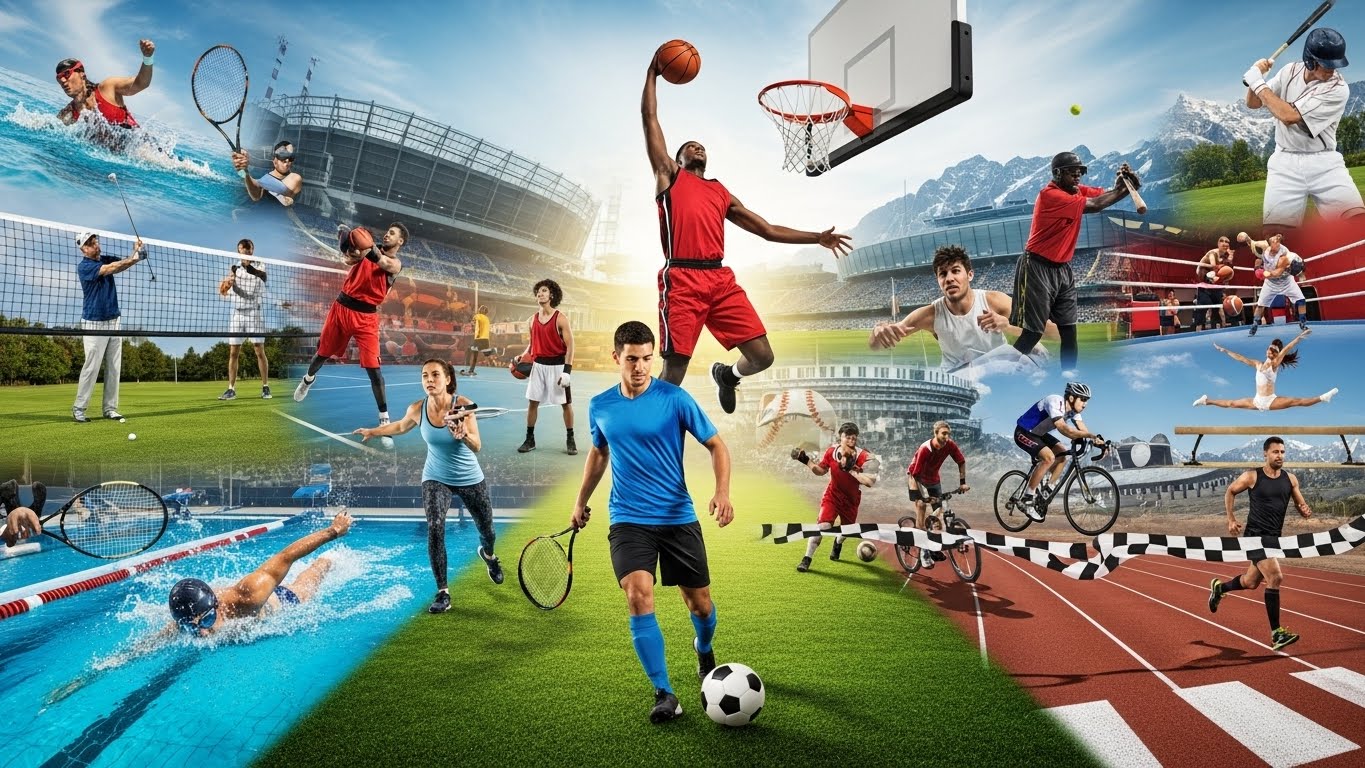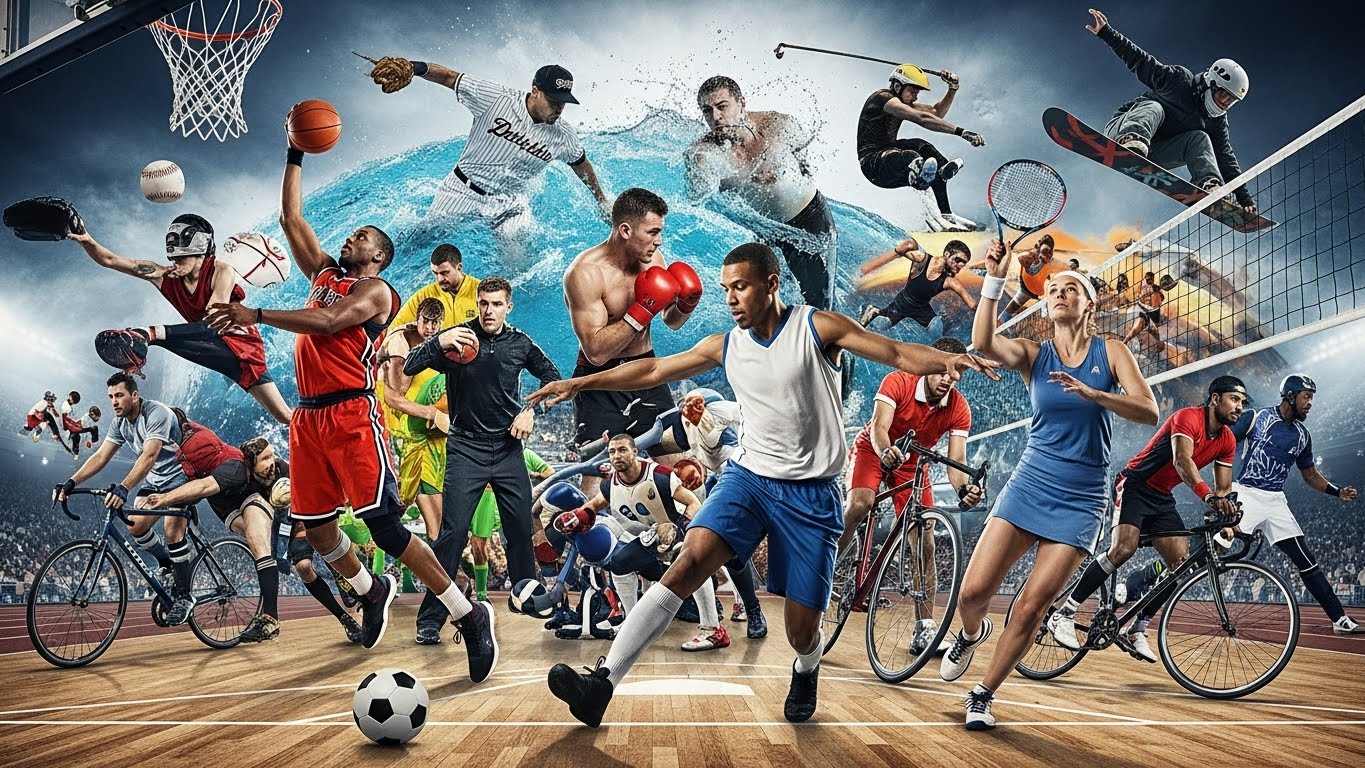






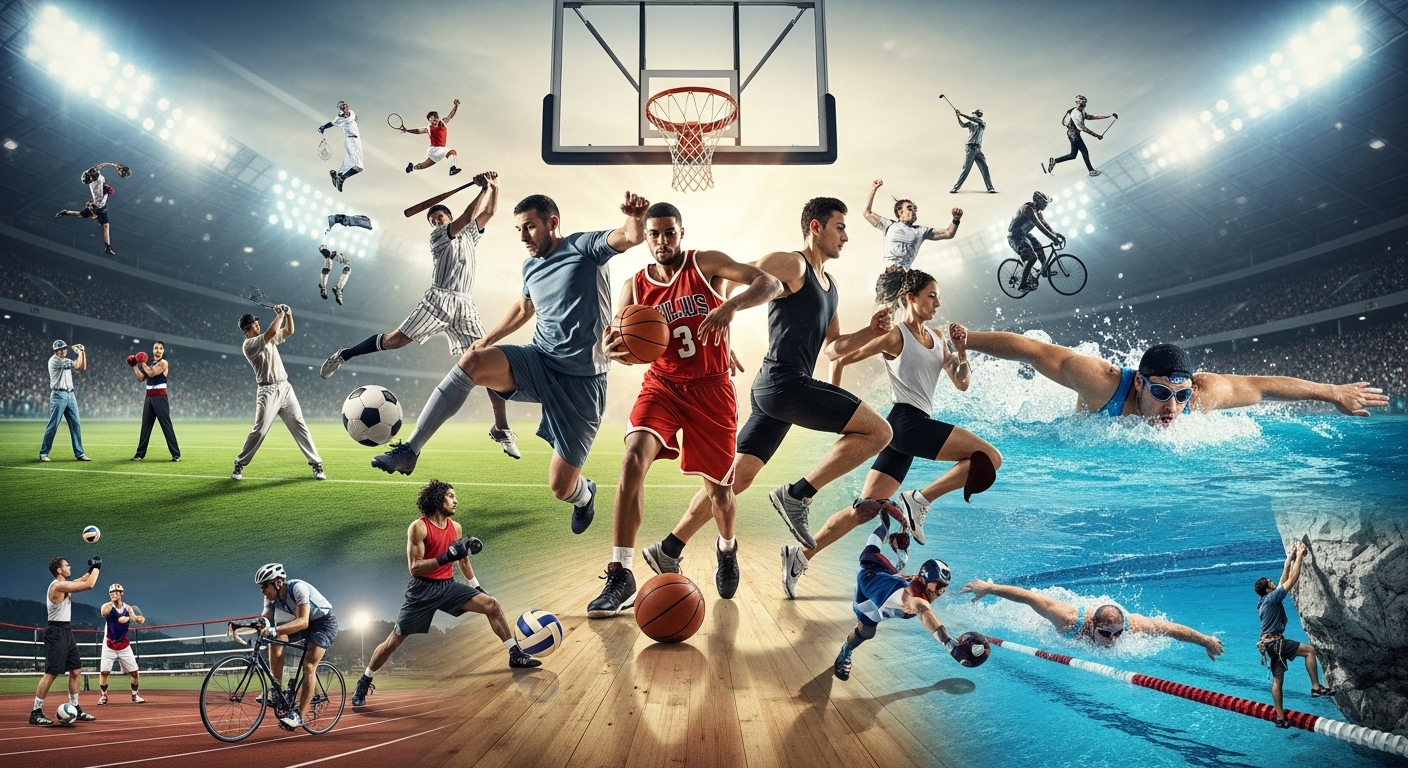
Introduction: More Than Just a Game
Sports have always been an integral part of human society. From ancient civilizations to modern global competitions, they serve as a universal language that brings people together. Beyond entertainment, sports foster physical health, mental well-being, and social cohesion. They challenge individuals to push their limits, promote teamwork, and inspire communities to celebrate collective achievements. In the contemporary world, sports are not just leisure activities—they are cultural, economic, and educational forces that shape lives in profound ways.
The Historical Roots of Sports
The history of sports stretches back thousands of years. Ancient civilizations, including the Egyptians, Greeks, and Romans, valued physical competition as a measure of skill, courage, and societal status. The Olympic Games, which began in Greece in 776 BCE, exemplify the cultural and spiritual significance of sports, emphasizing honor, discipline, and community participation.
During the Middle Ages, sports evolved to include activities such as archery, jousting, and early forms of football. These competitions often served dual purposes: entertainment and military training. With the Industrial Revolution and urbanization, organized sports began to take shape, leading to codified rules, professional teams, and competitive leagues. The history of sports demonstrates their enduring role in human development and culture.
Physical Benefits of Sports
Participation in sports has undeniable physical benefits. Regular physical activity strengthens muscles, bones, and cardiovascular systems, improving overall fitness and reducing the risk of chronic illnesses such as obesity, diabetes, and heart disease. Sports like running, swimming, and cycling enhance stamina and endurance, while team sports like football and basketball promote coordination, agility, and reflexes.
Moreover, sports encourage the development of healthy habits that can last a lifetime. Athletes learn the importance of warm-up exercises, proper nutrition, hydration, and recovery techniques. These habits contribute not only to better performance on the field but also to long-term physical well-being.
Mental and Emotional Benefits
Sports also offer significant mental and emotional advantages. Engaging in physical activity helps reduce stress, anxiety, and depression by releasing endorphins, which elevate mood and improve overall mental health. Team sports teach resilience, discipline, and focus, while individual sports foster self-reliance and personal accountability.
Participating in competitions, whether local or professional, cultivates emotional intelligence by teaching athletes how to handle both victory and defeat gracefully. Over time, sports build confidence, boost self-esteem, and strengthen problem-solving abilities, shaping well-rounded individuals who can face challenges both on and off the field.
Sports in Education
Sports play a crucial role in education by promoting holistic development. Schools and universities integrate athletics into their programs to teach life skills such as leadership, teamwork, and time management. Students involved in sports often demonstrate higher levels of discipline, motivation, and social engagement.
Educational institutions also provide platforms for talent recognition and growth. School tournaments, college leagues, and interscholastic competitions allow young athletes to develop their skills, receive mentorship, and potentially pursue professional careers. By integrating sports into education, institutions nurture not only athletes but also responsible, resilient, and collaborative individuals.
Professional Sports and Career Opportunities
For many, sports represent a pathway to a professional career. Elite athletes dedicate years to honing their skills and compete at national and international levels. Beyond athletes, the sports industry offers opportunities in coaching, sports medicine, psychology, management, broadcasting, and analytics.
The financial impact of sports is considerable. Professional leagues, sponsorships, merchandise sales, and broadcasting rights generate billions of dollars globally. Careers in sports can provide financial stability while inspiring others to pursue excellence and commitment in their own lives.
Social Impact of Sports
Sports have a unique ability to unite communities and foster social cohesion. Local leagues, recreational clubs, and community events create spaces for people to connect, share experiences, and build friendships. Sporting events often serve as communal celebrations, promoting local pride and solidarity.
On a global scale, sports bridge cultural and geographic divides. International competitions such as the Olympic Games and the FIFA World Cup bring together athletes and fans from different countries, fostering mutual respect and understanding. Sports can also be used as a platform for social advocacy, raising awareness on issues such as gender equality, health, and education.
Cultural Significance of Sports
Sports are deeply embedded in cultural identity. They influence music, fashion, art, and media, reflecting the values and traditions of societies. National pride is often tied to athletic achievements, and historic sporting moments can become symbolic milestones in a country’s history.
Cultural traditions also shape sports. Indigenous games, local tournaments, and community festivals celebrate heritage and foster intergenerational connections. Sports act as a universal language, uniting people across cultures, languages, and social backgrounds through shared passion and participation.
Popular Sports Around the World
Certain sports have achieved global prominence due to their accessibility, competitiveness, and cultural influence.
Football (Soccer): Football is the most widely played and watched sport worldwide, with major tournaments like the FIFA World Cup attracting billions of viewers. Its simplicity, global reach, and passionate fan base make it a cultural phenomenon.
Basketball: Known for fast-paced action and athleticism, basketball has grown into a global sport, with leagues and tournaments across continents inspiring young athletes to pursue excellence.
Cricket: Cricket enjoys immense popularity in countries like India, Australia, and England. Formats such as T20 have modernized the game, attracting global attention and younger audiences.
Athletics: Track and field events test speed, strength, and endurance. Olympic athletics competitions inspire millions and highlight human potential.
Tennis and Individual Sports: Tennis, golf, and swimming emphasize personal skill, mental focus, and discipline, providing avenues for competitive achievement and global recognition.
Each sport contributes uniquely to culture, society, and personal development, illustrating the diverse ways athletic activities enrich human life.
Technology and Innovation in Sports
Technology has revolutionized sports by enhancing performance, safety, and spectator experience. Innovations like wearable devices, video-assisted refereeing, and performance analytics allow athletes to optimize training and reduce injuries.
Advancements in broadcasting and digital media have transformed how fans experience sports. High-definition live coverage, interactive apps, and virtual reality experiences provide immersive ways to watch and engage with competitions. Technology also fosters inclusivity, giving people of different abilities and locations the opportunity to participate and enjoy sports.
Sports and Mental Health
Sports not only promote physical fitness but also support mental health. Engaging in athletic activities can reduce stress levels, alleviate symptoms of depression, and improve cognitive function. Team sports teach cooperation, leadership, and empathy, while individual sports encourage self-reflection and personal growth.
Watching sports also has psychological benefits. Fans experience a sense of belonging, emotional highs and lows, and shared excitement, fostering connection with communities. The narratives created by sports inspire resilience, determination, and optimism, contributing positively to mental and emotional well-being.
Challenges in Modern Sports
Despite their many benefits, sports face challenges. Issues such as doping, corruption, and match-fixing threaten the integrity of competitions. Inequities in funding and access can prevent talented individuals from pursuing opportunities, especially in underprivileged regions.
Commercialization of sports can also overshadow the principles of fair play and sportsmanship. Excessive focus on profits may compromise athlete welfare, ethical standards, and the essence of competition. Addressing these challenges requires effective governance, transparency, and a commitment to preserving the values that make sports meaningful.
The Future of Sports
The future of sports is full of possibilities. Emerging trends include the integration of technology such as virtual reality, digital training platforms, and performance analytics to enhance both participation and viewership. Sustainability initiatives are transforming stadiums, events, and equipment to reduce environmental impact.
Globalization and digital media continue to expand sports’ reach, connecting athletes, fans, and communities worldwide. As societies evolve, sports will remain vital for physical health, social cohesion, education, and cultural expression. They will continue to inspire excellence, foster innovation, and unite people across generations.
Conclusion: The Lifelong Value of Sports
Sports are more than games—they are a vital part of human life. They promote health, teach essential life skills, build communities, and create shared cultural experiences. From local playgrounds to international arenas, sports inspire individuals and societies to strive for excellence and push boundaries.
As technology advances, participation grows, and professional opportunities expand, sports will continue to shape lives, culture, and communities. They are a testament to human potential, resilience, and the enduring desire to compete, achieve, and connect. Sports are not merely pastimes—they are lifelong influences that enrich the world in countless ways