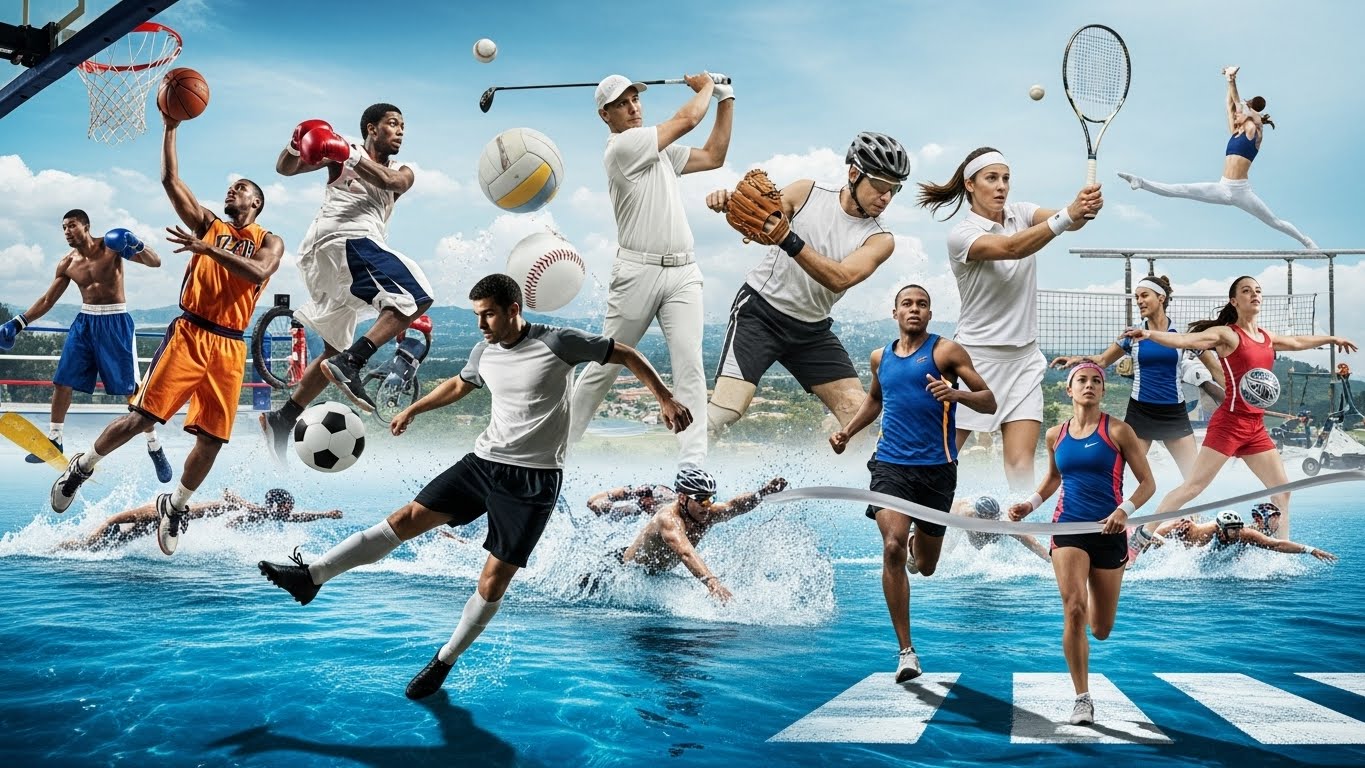







Introduction: The Power and Influence of Sports
Sports are far more than just games played on fields, courts, or tracks. They are a reflection of human ambition, creativity, and determination. From the local playground to massive international arenas, sports inspire passion, teach valuable life lessons, and bring communities together. They influence not only physical health but also mental well-being, social interaction, and cultural identity. Over the years, sports have evolved from simple physical activities into powerful forces that shape societies, economies, and personal growth. This article explores the multifaceted impact of sports and why they remain an essential part of human life.
The History of Sports: From Ancient Rituals to Modern Competitions
Sports have existed for thousands of years, tracing back to the earliest civilizations. In ancient societies, physical competitions were often intertwined with religious practices, military training, and social bonding. Wrestling, running, archery, and ball games were not only forms of entertainment but also methods to train warriors, celebrate festivals, or honor deities.
The ancient Olympic Games in Greece marked the beginning of organized sports competitions, complete with structured rules, ceremonial rituals, and recognition of excellence. Similarly, cultures across Asia, Africa, and the Americas developed unique sports reflecting local values and traditions. Over time, these activities evolved into the highly organized and globalized sports we see today, combining entertainment, professionalism, and advanced technology.
Why Sports Captivate Humanity
The appeal of sports goes beyond physical activity. Psychology explains why people are drawn to competitions, both as players and as spectators.
Emotional Engagement: Sports create intense emotional experiences. Fans feel joy in victory, disappointment in defeat, and suspense in close competitions. These emotions often mirror the challenges and triumphs of everyday life.
Sense of Belonging: Supporting a team or an athlete fosters community. Fans share experiences, celebrate victories, and form lasting bonds through their shared passion.
Stories of Triumph and Resilience: The narratives in sports—underdogs winning, records being broken, and athletes overcoming personal challenges—inspire audiences and encourage perseverance in other areas of life.
Mental Stimulation: Watching and analyzing sports requires strategy, foresight, and quick thinking, engaging the mind as much as the body.
The Role of Technology in Modern Sports
Technology has transformed sports in multiple ways, enhancing performance, fairness, and fan engagement.
Advanced Training Methods: Athletes now use wearable sensors, motion capture, and biometric monitoring to optimize their performance. These tools allow for precise adjustments, improving technique and reducing the risk of injuries.
Equipment Innovation: High-tech gear, such as lightweight bicycles, specialized running shoes, and aerodynamic swimwear, enables athletes to reach peak performance safely.
Fair Play and Accuracy: Technologies like instant replay, video-assisted refereeing, and goal-line detection ensure fairness in competitions, although they sometimes spark debate among fans and analysts.
Fan Experience: Digital broadcasting, live statistics, and interactive apps bring fans closer to the action, creating immersive experiences and fostering global communities around sports.
The Economic Significance of Sports
Sports are not just about entertainment—they are a major economic force globally. Professional leagues, international competitions, and major sporting events generate billions of dollars every year.
Revenue Streams: Ticket sales, sponsorship deals, merchandise, and broadcasting rights fuel the sports industry. Top athletes become global icons, influencing fashion, lifestyle, and consumer trends.
Youth Programs and Academies: Sports organizations invest heavily in youth development, providing training, mentorship, and education. These programs cultivate talent while teaching discipline and life skills.
Global Cultural Exchange: International competitions bring people from diverse backgrounds together, promoting cultural understanding and national pride. Events such as the Olympics and World Cups unite the world through shared enthusiasm and celebration.
Sports and Health: Physical and Mental Benefits
Participation in sports is one of the most effective ways to maintain overall health.
Physical Fitness: Sports enhance cardiovascular health, build strength, improve flexibility, and increase endurance. They also help reduce obesity and the risk of chronic diseases.
Mental Well-Being: Sports reduce stress, enhance focus, boost self-confidence, and promote emotional balance. They foster resilience, patience, and goal-setting skills.
Community Health: Local sports programs encourage physical activity among people of all ages, creating stronger, healthier, and more connected communities.
Women in Sports: Breaking Barriers and Inspiring Change
Women’s participation in sports has grown exponentially, challenging stereotypes and reshaping societal norms.
Increased Visibility: Women athletes and leagues are gaining prominence worldwide, inspiring young girls to pursue sports professionally and recreationally.
Role Models: Female athletes demonstrate leadership, strength, and determination, motivating future generations to aim higher and overcome barriers.
Cultural Impact: Success in women’s sports promotes gender equality, empowering communities and encouraging inclusive participation across all levels of competition.
The Importance of Team Sports
Team sports such as football, basketball, cricket, and hockey emphasize collaboration, strategy, and unity.
Teamwork and Coordination: Success requires players to communicate effectively, trust each other, and work toward a shared goal. Individual talent alone is insufficient without teamwork.
Leadership: Coaches and captains guide strategies, motivate players, and make critical decisions during high-pressure moments.
Community Identity: Teams often represent cities, schools, or nations, fostering collective pride and strengthening social bonds.
The Power of Individual Sports
Individual sports such as tennis, athletics, swimming, and gymnastics focus on personal discipline, skill, and mental strength.
Accountability: Athletes are responsible for their performance, teaching resilience, focus, and self-discipline.
Mental Strength: Competing alone requires concentration, emotional control, and the ability to handle pressure.
Personal Growth: Individual sports encourage continuous improvement, pushing athletes to reach their maximum potential physically and mentally.
Sportsmanship: The Foundation of True Competition
Sports are not just about winning—they are about character, ethics, and respect.
Respect for Opponents: Fair competition requires honoring opponents and playing with integrity.
Grace in Victory and Defeat: Celebrating triumph with humility and accepting loss with dignity reflects true sportsmanship.
Life Lessons: Sportsmanship teaches empathy, fairness, resilience, and ethical conduct, lessons that extend beyond the field into everyday life.
The Future of Sports: Innovation and Global Trends
The future of sports promises remarkable advancements and global connectivity.
Technology and Analytics: Artificial intelligence, data analysis, and performance tracking will redefine training, strategy, and athlete development.
E-Sports and Virtual Competitions: Competitive gaming is now a recognized part of sports culture, attracting millions of players and fans worldwide.
Sustainability: Eco-friendly stadiums, energy-efficient events, and sustainable practices are becoming essential to reduce environmental impact.
Global Fan Engagement: Digital platforms and international competitions will continue to unite audiences, creating worldwide communities connected through shared passion for sports.
Conclusion: Sports as a Reflection of Humanity
Sports are a mirror of human ambition, determination, and creativity. They inspire, entertain, and educate, teaching lessons in discipline, teamwork, and resilience. Whether it is a thrilling match, a personal achievement, or an inspiring comeback, sports motivate individuals and societies to aim higher, push boundaries, and embrace challenges.
From local playgrounds to global arenas, sports remind us that success comes from dedication, collaboration, and perseverance. They are not just games—they are a celebration of life, reflecting the potential, spirit, and shared passion of humanity.