





Introduction: The Universal Language of Sports
Sports have been an integral part of human culture for centuries. From ancient Olympic games in Greece to modern international competitions, sports transcend borders, language, and social barriers. They are more than mere physical activities; they represent discipline, strategy, teamwork, and passion. Whether played for fun, fitness, or professional achievement, sports impact individual lives, communities, and even global society. This blog explores the multifaceted world of sports, their benefits, influence, and significance in shaping modern culture.
The Evolution of Sports: From Ancient Times to Modern Day
Sports have evolved alongside human civilization. Early societies used physical competitions for rituals, military training, and community bonding. Activities like wrestling, archery, and running were popular in ancient civilizations. The Greeks formalized competitive sports with the Olympic Games, emphasizing physical excellence and honor.
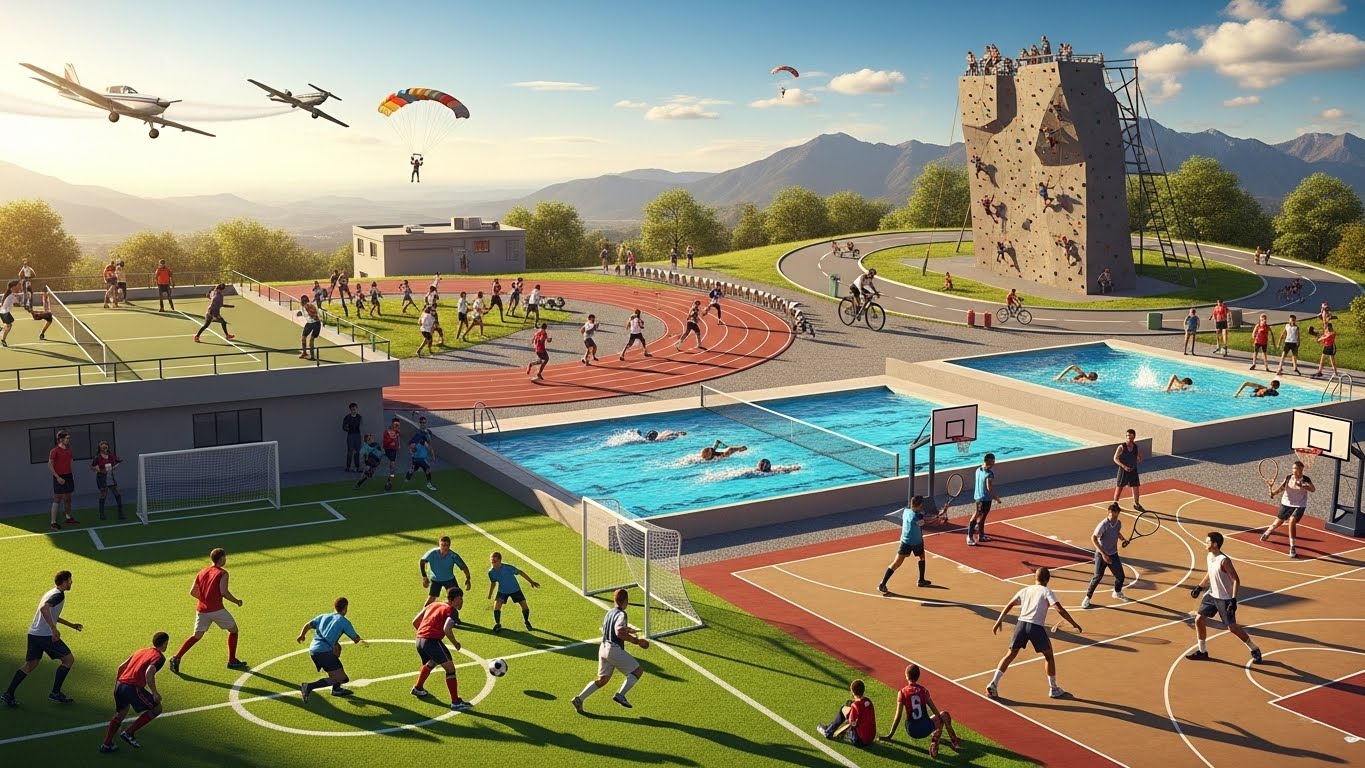
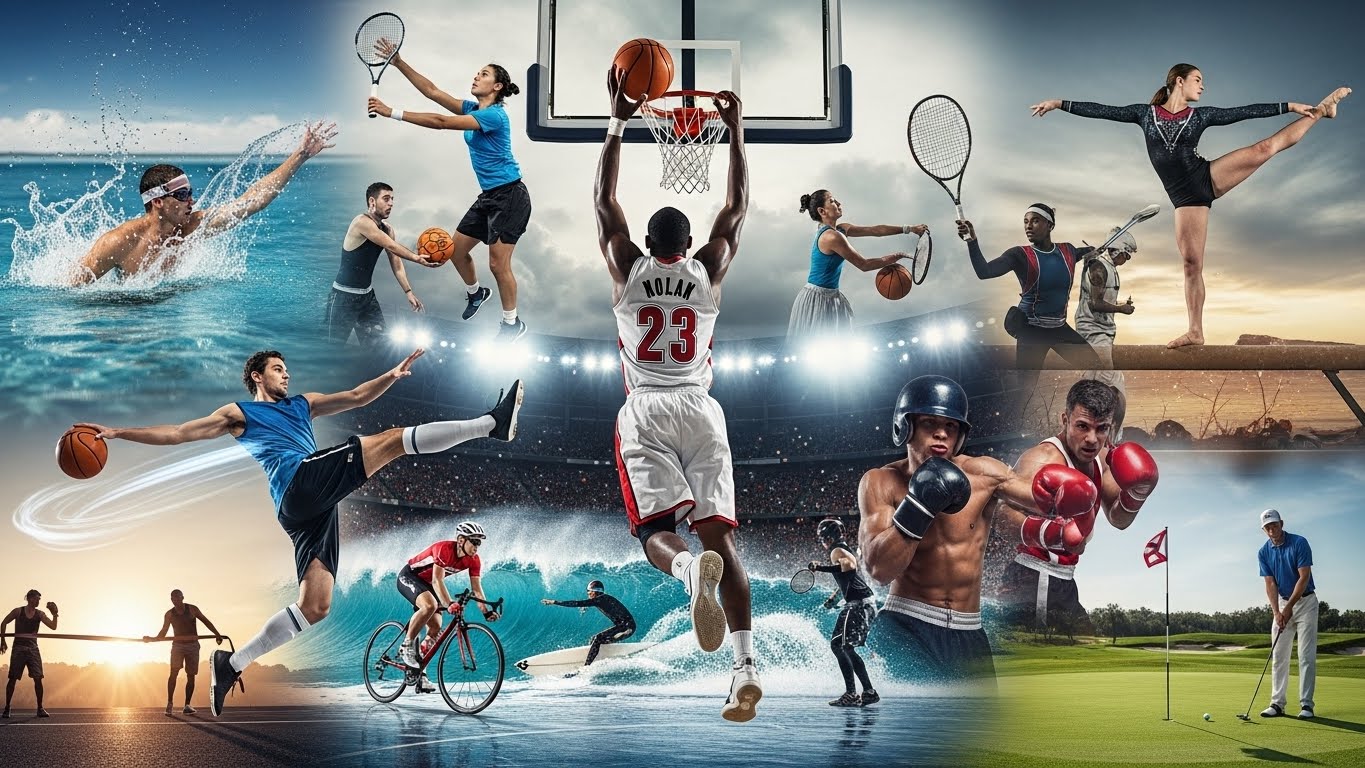
Over time, sports diversified into team and individual competitions. The rise of organized leagues, professional teams, and global tournaments transformed sports into a structured and widely followed phenomenon. Today, sports encompass a variety of disciplines, from football and basketball to athletics, swimming, and emerging extreme sports. This evolution reflects society’s growing appreciation for athletic skill, entertainment, and global competition.
Physical Benefits of Sports
Engaging in sports offers immense physical advantages. Regular participation improves cardiovascular health, strengthens muscles and bones, enhances flexibility, and boosts stamina. It also helps maintain a healthy weight, reduces the risk of chronic diseases such as diabetes and hypertension, and promotes overall physical well-being.
Beyond fitness, sports train coordination, reflexes, and balance. Athletes learn to control their bodies under pressure, master complex movements, and adapt to dynamic situations. Physical conditioning through sports not only strengthens the body but also instills discipline and resilience, which extend into everyday life.
Mental and Emotional Benefits of Sports
While sports challenge the body, they equally strengthen the mind. Participation improves concentration, strategic thinking, and decision-making skills. Athletes learn to set goals, manage stress, and develop perseverance. Overcoming challenges in sports builds confidence and a sense of accomplishment, which translates to personal and professional growth.
Sports also provide emotional benefits. The thrill of competition, teamwork, and personal achievement stimulates the release of endorphins, improving mood and reducing anxiety. Team sports, in particular, foster camaraderie, empathy, and communication skills, enhancing social well-being. Engaging in sports can be a healthy outlet for emotions, promoting mental stability and emotional balance.
Team Sports vs. Individual Sports
Sports can broadly be categorized into team sports and individual sports, each offering unique experiences and lessons. Team sports such as football, basketball, and hockey emphasize collaboration, coordination, and shared responsibility. Players learn to communicate effectively, trust teammates, and combine individual strengths for collective success. Team sports cultivate leadership, social skills, and the ability to perform under shared pressure.
Individual sports like tennis, swimming, and athletics focus on personal discipline, self-motivation, and independent performance. Athletes in individual sports must rely on their preparation, strategy, and resilience to succeed. Both types of sports offer valuable lessons: team sports teach cooperation and leadership, while individual sports emphasize self-reliance and personal accountability.
Sports as a Cultural Phenomenon
Sports hold immense cultural significance across societies. They reflect societal values, traditions, and identities. National pride often converges around international competitions, with sports serving as a unifying force that brings people together regardless of differences. Major events like the World Cup, Olympics, and international championships inspire patriotism, collective celebration, and global dialogue.
Moreover, sports influence art, fashion, and media. Iconic athletes become role models and cultural icons, shaping trends, inspiring youth, and driving societal change. Sports narratives, from heroic victories to emotional comebacks, captivate audiences and become part of a society’s collective memory.
Economic Impact of Sports
The sports industry is a global economic powerhouse. Professional leagues, tournaments, and sporting events generate billions of dollars through ticket sales, broadcasting rights, sponsorships, and merchandise. Athletes, coaches, and support staff earn livelihoods from sports, while related industries like equipment manufacturing, tourism, and media benefit from its growth.
Mega sporting events stimulate local economies by attracting visitors, creating jobs, and promoting infrastructure development. Sports sponsorship and branding influence marketing strategies worldwide, connecting businesses with audiences in powerful ways. Beyond direct revenue, sports contribute indirectly by promoting health, reducing healthcare costs, and fostering community development.
Sports and Education
Education and sports are closely linked. Schools and universities recognize the importance of sports in holistic development. Athletic programs provide opportunities for physical fitness, teamwork, and leadership. Scholarships and competitive school teams open doors for talented athletes, combining academic learning with sports training.
Sports also teach important life skills. Time management, goal-setting, perseverance, and resilience are honed through training and competition. Participating in sports prepares students for challenges beyond the classroom, equipping them with the confidence and discipline necessary for success in various professional fields.
Inclusion and Diversity in Sports
Sports are increasingly recognized as a platform for inclusion and diversity. People of all genders, ages, and abilities participate in competitive and recreational activities. Adaptive sports empower individuals with disabilities to compete at high levels, promoting social inclusion and equality. Women’s sports have gained remarkable recognition, breaking stereotypes and challenging societal norms.
The global sports community continues to advocate for fair play, equal opportunities, and the elimination of discrimination. By embracing diversity, sports foster unity, mutual respect, and understanding across cultural and social boundaries.
Technological Advancements in Sports
Technology has revolutionized the way sports are played, viewed, and analyzed. Wearable devices monitor performance, track fitness metrics, and prevent injuries. Video analysis tools help athletes refine techniques and strategies. Virtual reality and augmented reality are being used for immersive training experiences and fan engagement.
Broadcasting technology and digital platforms have expanded the global reach of sports. Fans can watch live games from anywhere in the world, engage with interactive content, and follow athletes through social media. Technology enhances both performance and audience experience, making sports more competitive, accessible, and entertaining than ever.
Challenges in Modern Sports
Despite its many benefits, modern sports face significant challenges. Performance pressure and public scrutiny can take a toll on athletes’ mental health. Doping and unethical practices threaten the integrity of competitions. Financial inequalities limit access to training and facilities for many talented individuals.
Additionally, commercialization sometimes prioritizes profit over sportsmanship, impacting fairness and ethical values. Addressing these challenges requires robust governance, education, and a commitment to maintaining the core spirit of sports: fair play, dedication, and the joy of participation.
The Future of Sports: Trends and Opportunities
The future of sports is bright and full of opportunities. Emerging trends include e-sports integration, advanced analytics, sustainability in sports management, and global collaboration. Community-driven programs are making sports more inclusive and accessible, encouraging participation from diverse backgrounds.
Athlete wellness and mental health are gaining priority, with organizations implementing support systems and preventive measures. Technological innovations will continue to shape performance, fan engagement, and event management. The fusion of sports, entertainment, and technology promises to create new forms of competition and enjoyment for both players and spectators.
Conclusion: Beyond the Game
Sports are far more than physical activity. They are a powerful force that shapes individual character, fosters social connections, and drives cultural and economic impact. Through sports, people learn discipline, resilience, teamwork, and leadership. Communities unite around shared passion, while global audiences celebrate skill, strategy, and human achievement.
The influence of sports reaches beyond stadiums, fields, and arenas, touching education, culture, and society at large. As the world continues to evolve, sports will remain a universal language, inspiring individuals, bridging differences, and celebrating the extraordinary potential of human effort. Engaging in sports, whether as participants or spectators, allows us to experience growth, joy, and a sense of belonging that extends far beyond the game itself.