






Introduction
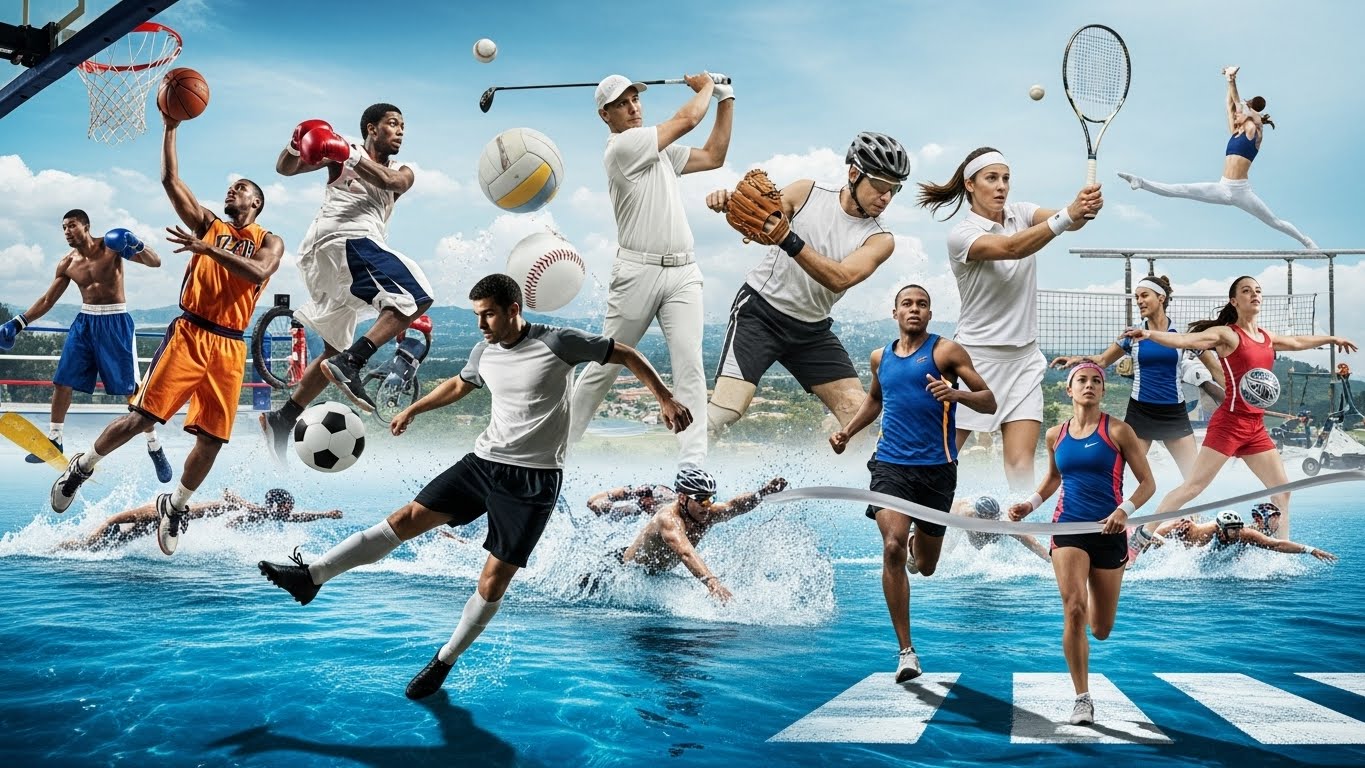
Sports have always been more than games. They are an essential part of human history, culture, and identity. From the ancient Olympic Games in Greece to modern mega-events like the FIFA World Cup and the Super Bowl, sports have continuously evolved while keeping their core purpose intact — to test human limits, build unity, and inspire generations. The essence of sports lies not only in physical performance but also in the spirit of competition, teamwork, and emotional connection.
In today’s world, sports are no longer confined to stadiums and fields; they have become global industries powered by technology, media, and immense fan support. The journey of sports from simple contests of skill to multi-billion-dollar enterprises reflects both societal growth and the boundless potential of human creativity and ambition.
The Origins and Evolution of Sports
Sports have existed in one form or another since the dawn of civilization. Early humans engaged in physical contests as training for hunting, defense, and survival. Over time, these activities evolved into structured competitions with defined rules and participants. Ancient civilizations such as Egypt, China, and Greece organized athletic events that celebrated physical prowess and cultural pride.
The Olympic Games, which originated in Olympia in 776 BC, were perhaps the first truly global sporting event of the ancient world. These games were not just athletic contests but religious and cultural celebrations symbolizing peace and unity among Greek city-states. Similar traditions existed across continents — in Japan’s martial arts, India’s wrestling and kabaddi, and the Mayan ballgame of Central America.
With the rise of modern society in the 19th and 20th centuries, sports became more organized and accessible. The establishment of governing bodies, standardized rules, and professional leagues allowed athletes to dedicate their lives to mastering their craft. Sports began to serve as a universal language — one that transcended barriers of language, race, and nationality.
The Role of Sports in Society
Sports hold a unique place in every society because they embody values that people aspire to: discipline, hard work, fairness, and resilience. They teach individuals to cope with failure, celebrate success with humility, and respect both teammates and opponents. Beyond personal growth, sports foster community spirit.
In local communities, sports clubs and school teams often bring people together. They provide youth with opportunities to stay active, build confidence, and develop social skills. On a national level, sports become a source of pride and unity. When a nation’s team competes on an international stage, millions rally behind a shared identity, forgetting political and cultural differences for a brief but powerful moment.
Furthermore, sports have often played a role in social change. From Jackie Robinson breaking the color barrier in baseball to Billie Jean King fighting for gender equality in tennis, the world of sports has repeatedly challenged social norms and inspired movements for justice and equality.
The Economic Impact of Sports
Modern sports are not only cultural phenomena but also massive economic engines. The sports industry contributes billions of dollars annually to the global economy through ticket sales, broadcasting rights, sponsorship deals, merchandise, and tourism. Events like the Olympics, FIFA World Cup, and major league championships stimulate economic activity on a scale comparable to entire industries.
Cities that host major sporting events experience a surge in tourism, infrastructure development, and international exposure. Sports also create employment opportunities — from athletes, coaches, and medical staff to media professionals, marketers, and venue operators. The sports economy extends to apparel companies, tech firms, and even data analytics startups that use advanced technologies to enhance athlete performance and fan engagement.
However, the commercial side of sports also brings challenges. The immense financial stakes sometimes lead to corruption, exploitation, or unfair advantages. Balancing profit with the true spirit of competition remains one of the most pressing ethical dilemmas in modern sports.
Technology’s Role in Shaping Modern Sports
Technology has revolutionized nearly every aspect of sports. From advanced training equipment and biometric monitoring to instant video replay and data-driven strategies, innovation has transformed how athletes prepare and compete. Wearable devices track heart rate, speed, and endurance, allowing coaches to tailor training programs to each athlete’s unique needs.
In addition to performance analytics, technology has enhanced the fan experience. High-definition broadcasting, virtual reality, and live streaming allow fans to engage with their favorite teams from anywhere in the world. Social media platforms have given athletes a direct channel to communicate with fans, turning them into global influencers beyond their sport.
Moreover, technology has made sports safer. Innovations in protective gear, medical imaging, and injury prevention have significantly reduced long-term risks. Concussion protocols, for instance, are now supported by digital monitoring tools, helping ensure player health remains a top priority.
The Power of Sports Media
Media plays a monumental role in amplifying the reach and impact of sports. From radio broadcasts in the early 20th century to today’s global streaming platforms, media coverage has turned local athletes into international celebrities and local games into global spectacles.
Television deals worth billions of dollars have shaped how sports leagues operate and how fans consume content. Sports journalism has evolved from print-based reporting to digital storytelling, podcasts, and real-time updates. Social media trends, memes, and highlight clips make sports discussions more interactive and engaging than ever before.
Media also influences sports narratives. The portrayal of rivalries, underdog stories, and heroic comebacks captivates audiences beyond the results on the scoreboard. This storytelling element deepens emotional investment and creates lifelong fans who follow their teams through every victory and defeat.
The Psychology of Competition
At its heart, sports are psychological as much as physical. Success in any sport depends on mental toughness, focus, and the ability to perform under pressure. Athletes train their minds as rigorously as their bodies, learning to manage stress, overcome self-doubt, and maintain confidence during critical moments.
Sports psychology has become an essential part of athlete development. Visualization techniques, mindfulness training, and mental resilience programs help players maintain composure and maximize potential. Teams now employ sports psychologists who work alongside coaches to develop strategies that foster motivation, cohesion, and emotional balance.
Beyond professional sports, these mental lessons extend to everyday life. The discipline and perseverance learned through athletic competition often translate into success in academics, careers, and personal relationships.
The Globalization of Sports
Sports have transcended borders to become truly global. International tournaments bring nations together, creating cultural exchanges that foster understanding and diplomacy. Soccer, basketball, and cricket have global fan bases that connect people across continents.
With globalization, however, comes increased competition for talent and resources. Athletes from developing nations often move abroad to pursue opportunities, while global leagues scout talent worldwide. This has enriched sports with diversity but also raised questions about talent migration and cultural assimilation.
The rise of international sports academies and global sponsorships shows that sports are now as much about collaboration as competition. A young athlete in Africa can be discovered by scouts from Europe, trained in an academy in Asia, and play professionally in North America. This interconnectedness demonstrates the unifying power of sports in an increasingly divided world.
Gender Equality and Inclusion in Sports
Gender equality has become one of the defining movements in sports today. Historically, female athletes faced limited opportunities, unequal pay, and societal barriers. However, the last few decades have seen tremendous progress. Women now compete in nearly every sport, from boxing to football, and continue to break records and stereotypes.
Campaigns for equal pay, media representation, and recognition have sparked global conversations about fairness. The success of women’s leagues and major events like the FIFA Women’s World Cup has proven that female athletes can attract massive audiences and deliver top-tier performances.
Beyond gender, inclusion in sports now extends to athletes with disabilities. The Paralympic Games have highlighted incredible stories of resilience and determination, showcasing that physical limitations do not define human potential. Adaptive technologies have opened new possibilities, empowering all individuals to participate and compete.
Youth and the Future of Sports
The future of sports lies in the hands of young athletes. Schools, clubs, and communities play a vital role in nurturing talent and instilling lifelong values through sports. Grassroots programs provide not just athletic training but also mentorship and education, especially in underprivileged regions.
Modern youth are also shaping sports culture in new ways. Esports, virtual training, and digital fitness platforms have blurred the lines between physical and digital competition. The next generation views sports as not only physical contests but also forms of entertainment, creativity, and social interaction.
Encouraging youth participation in sports also promotes physical health in an age where sedentary lifestyles and screen dependency are rising. Sports teach the importance of balance, discipline, and teamwork — skills that prepare young people to face the challenges of modern life.
The Challenges Facing Modern Sports
Despite its many triumphs, the sports world faces significant challenges. Issues such as doping, corruption, commercialization, and mental health concerns among athletes threaten its integrity. The pressure to perform at elite levels often takes a toll on mental well-being, leading to burnout or anxiety.
Environmental sustainability is another pressing issue. Major sporting events generate large carbon footprints, from stadium construction to global travel. Organizations are now investing in eco-friendly practices, such as sustainable venues and waste reduction programs, to minimize environmental impact.
Additionally, the increasing gap between elite and amateur sports raises concerns about accessibility. While top athletes earn millions, many local programs struggle for funding. Ensuring equal opportunities for all remains a fundamental challenge that sports must address in the years ahead.
The Cultural Legacy of Sports
Sports are deeply woven into the fabric of global culture. They inspire art, literature, film, and music. Iconic moments such as Muhammad Ali’s victories, Usain Bolt’s record-breaking sprints, or Serena Williams’ dominance on the tennis court have become timeless symbols of human excellence.
Sports heroes often transcend their fields, using their influence to advocate for social causes, inspire youth, and unite divided communities. The emotional power of a single goal, race, or match-winning moment can shape memories for generations and define a nation’s identity.
Conclusion
Sports represent the very essence of humanity — our drive to improve, to connect, and to celebrate life’s challenges and victories. From humble beginnings to high-tech arenas, the journey of sports mirrors our collective evolution as a species. It is a realm where physical ability meets mental strength, where competition meets compassion, and where individual dreams meet global admiration.
As we look ahead, the world of sports will continue to adapt and grow, shaped by technology, diversity, and the enduring human spirit. Whether played on a dusty local field or in front of millions around the world, sports will always remain a testament to what people can achieve when they push beyond limits and believe in something greater than themselves.