





Introduction
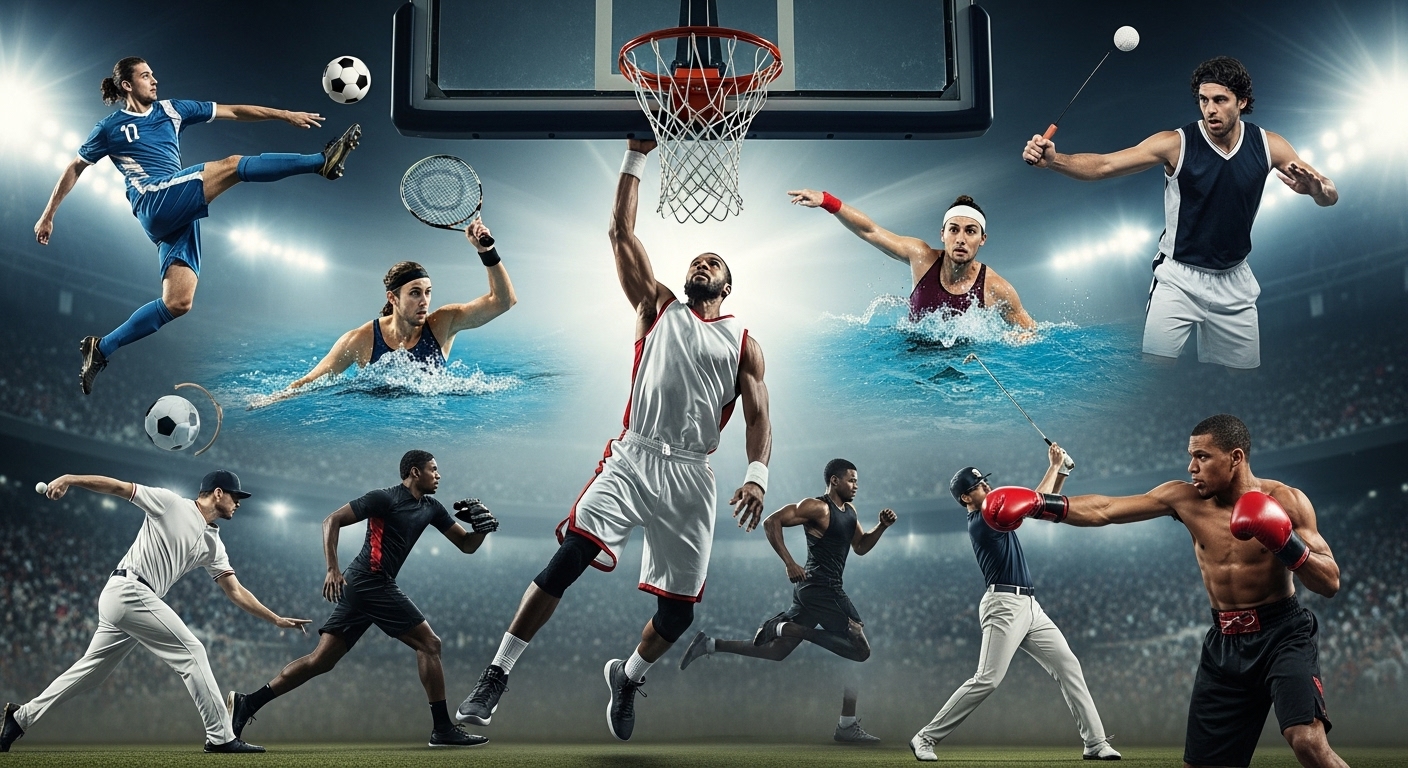
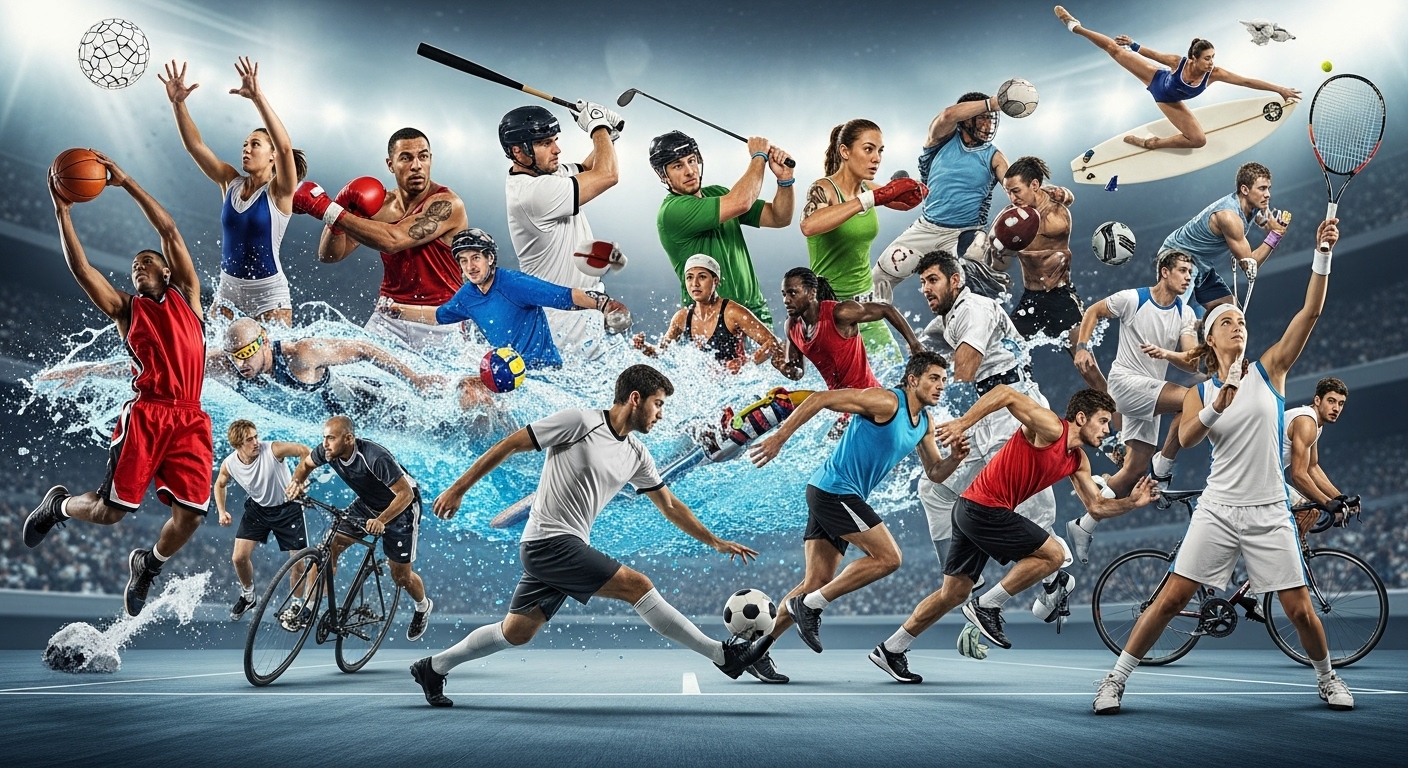
Sports have always been more than games. They are stories woven through sweat, discipline, passion, and the pursuit of greatness. In every corner of the world, sports bring communities together, inspire young minds, and push human limits beyond imagination. Whether it is a child dribbling a basketball on a dusty street or a world champion breaking records on the global stage, the spirit of sports remains the same. This blog explores the emotional, physical, and social impact of sports while celebrating the universal language they speak.
The Global Spirit of Sports
Sports transcend geography, culture, and language. A football match in Brazil carries the same thrill as one in Italy. A cricket game in India sparks the same passion as one in Australia. Sports connect people who may never meet, yet they share a bond through the excitement of the game. This shared spirit creates unity in diversity, forming bridges across nations.
Spectators cheer for athletes not just because of loyalty to teams but because sports represent the timeless battle between effort and outcome. Every athlete becomes a symbol of human potential, and every game becomes a chapter in a larger story. This global spirit helps people find joy, hope, and strength in even the simplest moments.
The Emotional Impact of Sports
Sports are powerful because they evoke emotion. Watching an underdog rise against the odds fills people with hope. Witnessing a last-second victory creates unforgettable joy. Even defeat teaches lessons about resilience and humility.
For athletes, the emotional journey is even more profound. They invest thousands of hours into training, improving their skills, and building discipline. Wins feel euphoric, but losses hurt deeply. Yet, it is these emotions that shape them into stronger, more determined individuals. Sports teach emotional maturity by showing that triumph and failure are part of the same journey.
Fans, too, experience emotional highs and lows. They celebrate victories with pride and mourn losses with the athletes they admire. This emotional connection is one of the reasons sports remain an integral part of human life.
Sports as a Path to Physical Excellence
One of the most celebrated benefits of sports is the improvement of physical health. From increasing cardiovascular strength to enhancing flexibility, sports provide a natural and enjoyable way to stay active.
Children who participate in sports grow stronger bones, healthier muscles, and better coordination. Adults who continue engaging in athletic activities maintain fitness, reduce stress, and prevent lifestyle-related illnesses. Even noncompetitive sports like swimming, cycling, and jogging offer immense physical benefits.
But beyond appearance or fitness, sports help individuals build habits that last a lifetime. Athletes learn commitment, time management, and the importance of taking care of their bodies. These lessons shape not only their physical health but their overall lifestyle.
The Mental Edge: Sports and Psychology
It is often said that sports are as mental as they are physical. The mind of an athlete must be calm, focused, and resilient. They must manage stress, overcome fear of failure, and remain confident under pressure.
Sports teach mental toughness by presenting constant challenges. A sprinter must silence self-doubt at the starting line. A tennis player must keep emotions under control during a long rally. A team captain must motivate teammates even in difficult moments.
This mental strength carries over into everyday life. People who play sports often become better problem solvers, decision makers, and leaders. They learn to think strategically, adapt quickly, and face obstacles with confidence.
Teamwork: The Heart of Many Sports
Team sports like football, basketball, and hockey highlight one of the most important human skills teamwork. Athletes must communicate, trust, and support each other to achieve a common goal. A team succeeds not because of individual brilliance alone but because players understand how to combine strengths and cover weaknesses.
Teamwork in sports teaches valuable real-life lessons. It shows that cooperation can achieve more than competition and that success is sweeter when shared. It also teaches conflict resolution, empathy, and responsibility.
Even individual sports often involve a wider support network of coaches, medical staff, and mentors. This shows that achievement is rarely solitary; it is a collective effort.
Sports as a Cultural Identity
In many countries, sports form a core part of cultural identity. New Zealand is known worldwide for rugby, Brazil for football, the United States for basketball, and India for cricket. These sports become woven into traditions, festivals, and national pride.
Children grow up idolizing sports icons, dreaming of wearing the same jerseys, and representing their country one day. Fans create chants, rituals, and traditions that pass down through generations. These cultural elements make sports more than activities they become heritage.
The Rise of Modern Sports Science
Modern sports are not just about talent. They now blend training with science, technology, and data analysis. Coaches track performance using advanced tools, athletes follow nutrition plans, and recovery methods have evolved from simple rest to specialized therapies.
With sports science, athletes can push boundaries that were once considered impossible. Sprinters run faster, swimmers glide more efficiently, and football players avoid injuries through improved conditioning. This scientific approach has redefined human athletic potential.
Sports and Youth Development
For young people, sports are one of the most influential parts of development. They teach discipline, boost confidence, and create purpose. A child who participates in sports learns important life lessons early.
Sports encourage leadership, give children a safe space to express energy, and help them socialize. They learn responsibility when they show up for practice, patience when improving skills, and dedication when preparing for competitions.
Moreover, sports keep children away from unhealthy habits and introduce them to goal setting. Many young athletes also find motivation in sports to excel in academics and other areas of life.
The Economic Impact of Sports
Sports contribute significantly to the global economy. They create jobs for coaches, trainers, event organizers, broadcasters, and manufacturers. Cities hosting major events like tournaments or championships see boosts in tourism and infrastructure development.
Merchandising, ticket sales, sports technology, and athletic equipment form billion-dollar industries. Even small communities benefit financially from local sports programs. This economic influence shows that sports are not just entertainment but an integral part of global business.
The Evolution of Women in Sports
The increasing participation of women in sports is one of the most inspiring developments of recent decades. Women athletes today break world records, lead teams, and inspire millions with their talent and determination.
Though challenges still exist, the progress is undeniable. More opportunities, equal recognition, and improved facilities have allowed women to excel in fields once considered off-limits. Their achievements reshape the perception of strength, resilience, and leadership.
The rise of women’s sports encourages equality, empowers young girls, and adds new dimensions to the global sporting landscape.
The Transformative Power of Sportsmanship
True sportsmanship lies in respect, integrity, and fair play. Winning is important, but how one wins or loses is even more meaningful. Sports teach humility in victory and dignity in defeat.
Great athletes are remembered not only for their performance but also for their character. The handshake after a match, the encouragement to an injured opponent, and the acceptance of decisions reflect the true essence of sportsmanship.
Sportsmanship inspires society to uphold values that matter beyond the field kindness, respect, and honesty.
The Future of Sports
The future of sports is evolving rapidly. With technological advancements, virtual coaching, analytical tools, and global connectivity, athletes are reaching levels once thought impossible. E-sports are attracting massive audiences, while traditional sports continue to innovate.
Fitness awareness is rising, encouraging more people to adopt sporting lifestyles. Mixed-gender competitions, sustainability in sporting events, and advanced training facilities are reshaping the sports world.
The essence of competition remains, but the way we experience sports is transforming.
Conclusion
Sports remind us of the beauty of human effort. They teach us to dream, to persevere, and to believe in possibilities. Whether you are an athlete, a fan, or someone who simply enjoys watching a game once in a while, sports have touched your life in some way.
They unite communities, inspire generations, and create stories that last forever. In every race run, every goal scored, every record broken, and every challenge conquered, sports continue to show that greatness is always within reach.