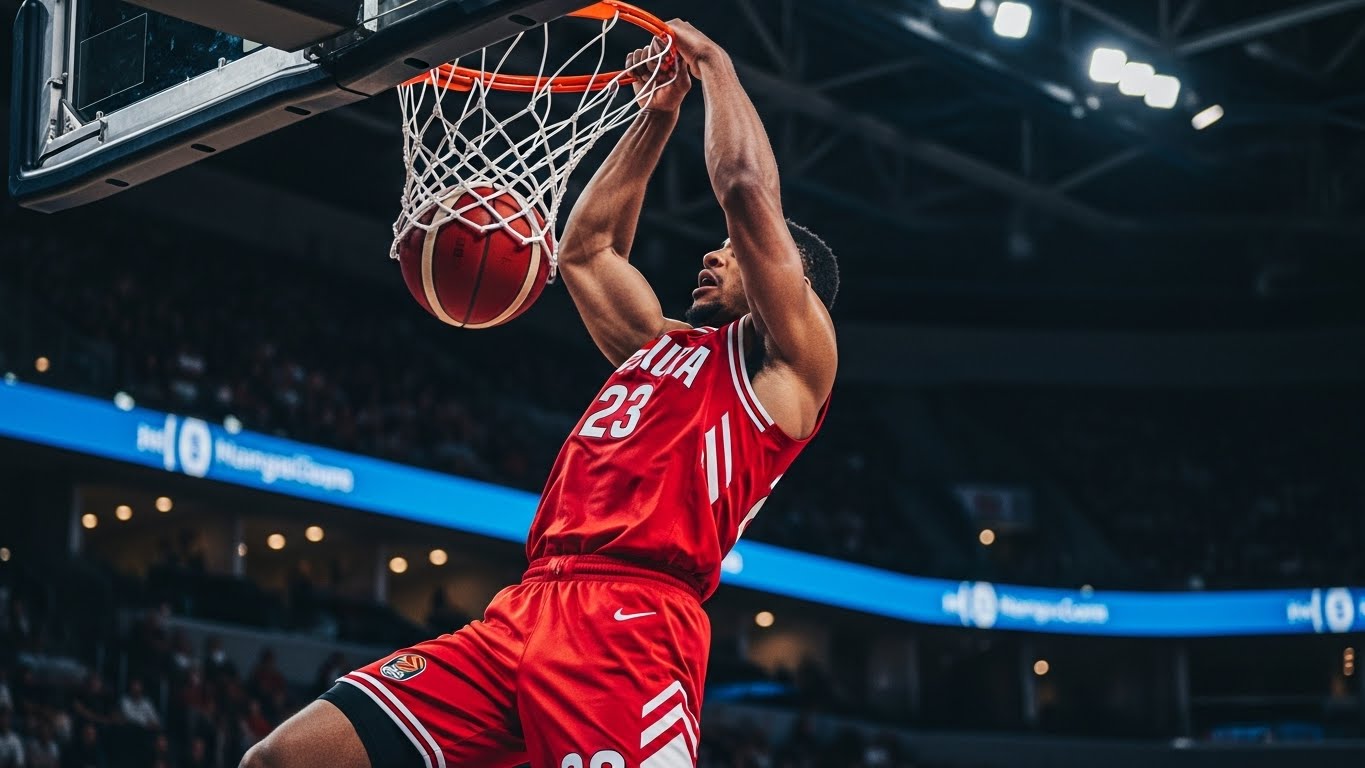






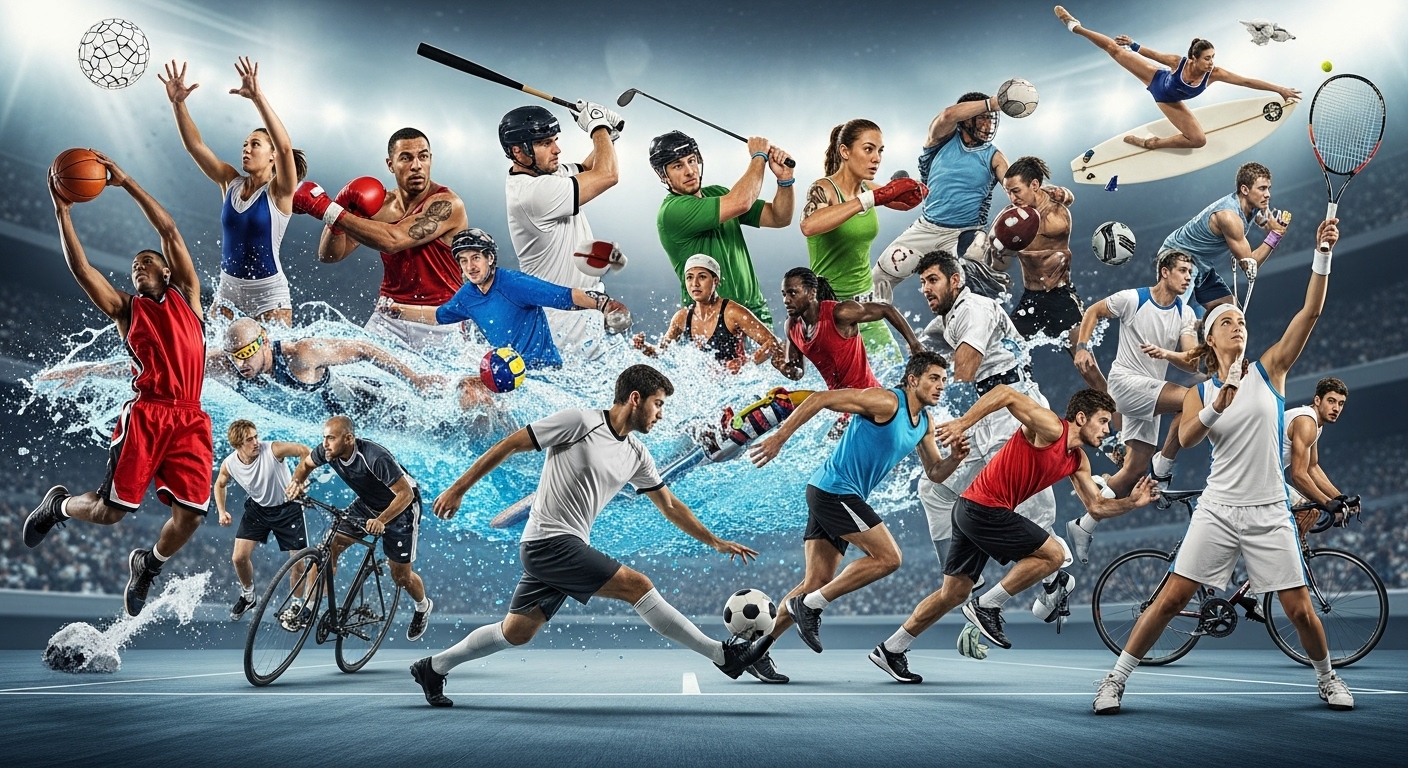
Sports have always been an intrinsic part of human culture. Whether it’s the intensity of a football game, the precision of tennis, or the teamwork in basketball, sports bring us together in ways few other activities can. However, their influence goes far beyond just entertainment or physical exertion. In fact, sports impact our health, our communities, our economies, and even our personal development. Let’s dive into how sports shape lives in ways we often don’t realize.
The Physical and Mental Benefits of Sports
When most people think of sports, the first thing that comes to mind is physical health. And rightly so—sports promote fitness, improve cardiovascular health, and increase strength and flexibility. The act of moving, whether through a sport or recreational activity, contributes to lowering the risk of chronic diseases such as heart disease, diabetes, and obesity. Regular participation in sports can lead to an overall better quality of life, as it helps maintain an active and healthy lifestyle.
However, the mental benefits are just as profound. Sports play a crucial role in managing stress and improving mental health. Engaging in physical activity stimulates the production of endorphins, the brain’s “feel-good” hormones. This natural mood booster helps combat anxiety, depression, and other mental health issues. The discipline and focus required in sports can also enhance cognitive functions, helping individuals improve concentration and decision-making skills.
Moreover, sports provide a healthy outlet for frustration and negative emotions. Whether it’s through the energy exerted in a game of soccer or the calming nature of swimming, physical activity serves as a therapeutic tool for mental well-being.
Sports as a Catalyst for Social Connection
One of the most powerful aspects of sports is their ability to bring people together. The sense of camaraderie and community that arises from shared experiences in sports is unparalleled. Whether you’re cheering for a favorite team, participating in a local league, or bonding over the excitement of a game, sports create opportunities for social interaction and connection.
Team sports, in particular, are powerful tools for developing social skills. Players learn how to communicate effectively, work as part of a team, and resolve conflicts in a collaborative environment. These skills translate to real-life situations, including the workplace and personal relationships.
Sports also provide a common language. Regardless of one’s background, culture, or language, sports unite people through shared interests. International competitions like the Olympics and the FIFA World Cup offer a global stage where nations come together to celebrate athletic achievement and mutual respect, fostering international unity and understanding.
The Role of Sports in Personal Development
Beyond the physical and social benefits, sports also play a crucial role in personal development. The challenges faced in sports, such as setbacks, losses, and tough competition, teach invaluable life lessons. Athletes must learn to persevere through adversity, develop patience, and maintain a growth mindset.
The discipline required in sports teaches individuals how to set goals and work towards achieving them. Whether it’s improving a personal best in running or leading a team to victory, sports instill the importance of dedication, hard work, and commitment. These lessons not only make individuals better athletes but also contribute to their overall development as individuals.
Moreover, sports build resilience. Athletes constantly face failure, whether it’s losing a match or failing to reach a goal. How they bounce back from these challenges can have a lasting impact on their personal and professional lives, teaching them how to handle failure and keep moving forward.
The Economic Impact of Sports
The influence of sports extends far beyond the playing field and into the global economy. The sports industry is a multi-billion-dollar sector that encompasses professional leagues, broadcasting rights, sponsorship deals, merchandise sales, and tourism. Major sporting events, like the Olympics, the World Cup, and the Super Bowl, generate significant revenue for local economies, creating jobs, boosting tourism, and increasing investments in infrastructure.
Even at a local level, community sports leagues and recreational activities contribute to the economy. Local teams and sports clubs provide jobs in coaching, management, and operations, while also fostering a sense of community. The spending generated by sports, from tickets to merchandise to concession stands, has a ripple effect that benefits local businesses.
Moreover, sports help drive innovation in other industries, particularly in technology and manufacturing. The demand for better athletic gear, more advanced sports science, and innovative training techniques has led to breakthroughs in areas such as wearable technology, fitness apps, and high-performance fabrics. The intersection of sports and technology continues to grow, creating new opportunities for both industries.
Sports and Education: Learning Beyond the Classroom
Sports are a vital component of the education system. They teach young people valuable life skills that go beyond academics. Through sports, students learn how to work in teams, handle pressure, and manage their time effectively. These skills are not only crucial for success in sports but also for success in life.
Participation in sports often leads to better academic performance. The discipline and structure required for training and competitions help students develop strong time-management skills. Many schools incorporate sports programs to encourage physical activity while simultaneously fostering essential social and leadership skills.
In addition, sports can be a vehicle for education in terms of health and wellness. By participating in sports from an early age, children develop an understanding of the importance of maintaining an active lifestyle. They also learn about nutrition, body care, and the mental and emotional benefits of exercise, which can have a lasting impact on their overall health.
Inspiring Future Generations
Sports not only provide entertainment but also serve as a source of inspiration for future generations. Watching athletes push their limits, overcome obstacles, and achieve greatness can motivate young people to pursue their own dreams. Sports heroes such as Serena Williams, Michael Jordan, and Usain Bolt inspire countless young athletes to follow in their footsteps and strive for excellence.
But it’s not just professional athletes who inspire; local sports figures can have just as much influence. A coach who helps a young athlete improve their skills or a local team that brings pride to a community can inspire people to get involved in sports or make positive changes in their own lives.
The idea that anyone, regardless of their background or circumstances, can achieve greatness in sports provides hope and fosters ambition. Sports give individuals the chance to dream big and the tools to make those dreams a reality.
The Future of Sports: Technology and Globalization
As we look toward the future, the role of sports continues to evolve. Advances in technology are reshaping how we train, compete, and experience sports. From wearable devices that track athletic performance to virtual reality training tools, technology is enhancing both the athlete’s capabilities and the fan’s experience.
The rise of eSports is another development that showcases how sports are expanding into new areas. Competitive video gaming has become a global phenomenon, with professional leagues, massive online audiences, and even sponsorships, mirroring traditional sports in many ways. The growing popularity of eSports illustrates how sports are adapting to the digital age and finding new ways to engage fans.
Moreover, globalization is making sports more accessible to people around the world. As digital media expands, fans from remote corners of the world can now follow and engage with international sports events in real-time. This global accessibility is increasing the influence of sports and further cementing their place in modern culture.
Conclusion: The Lasting Impact of Sports
Sports are much more than just a way to pass the time—they are a transformative force that impacts our health, shapes our communities, and drives economic growth. Through sports, individuals develop valuable life skills, form lasting friendships, and discover their true potential. Whether you’re participating or spectating, sports have the power to inspire, connect, and heal.
As sports continue to evolve with technological advancements and globalization, their influence will only grow. The ripple effect of sports is felt in every corner of the world, and their power to unite and inspire will continue to shape the future in ways we have yet to fully imagine.