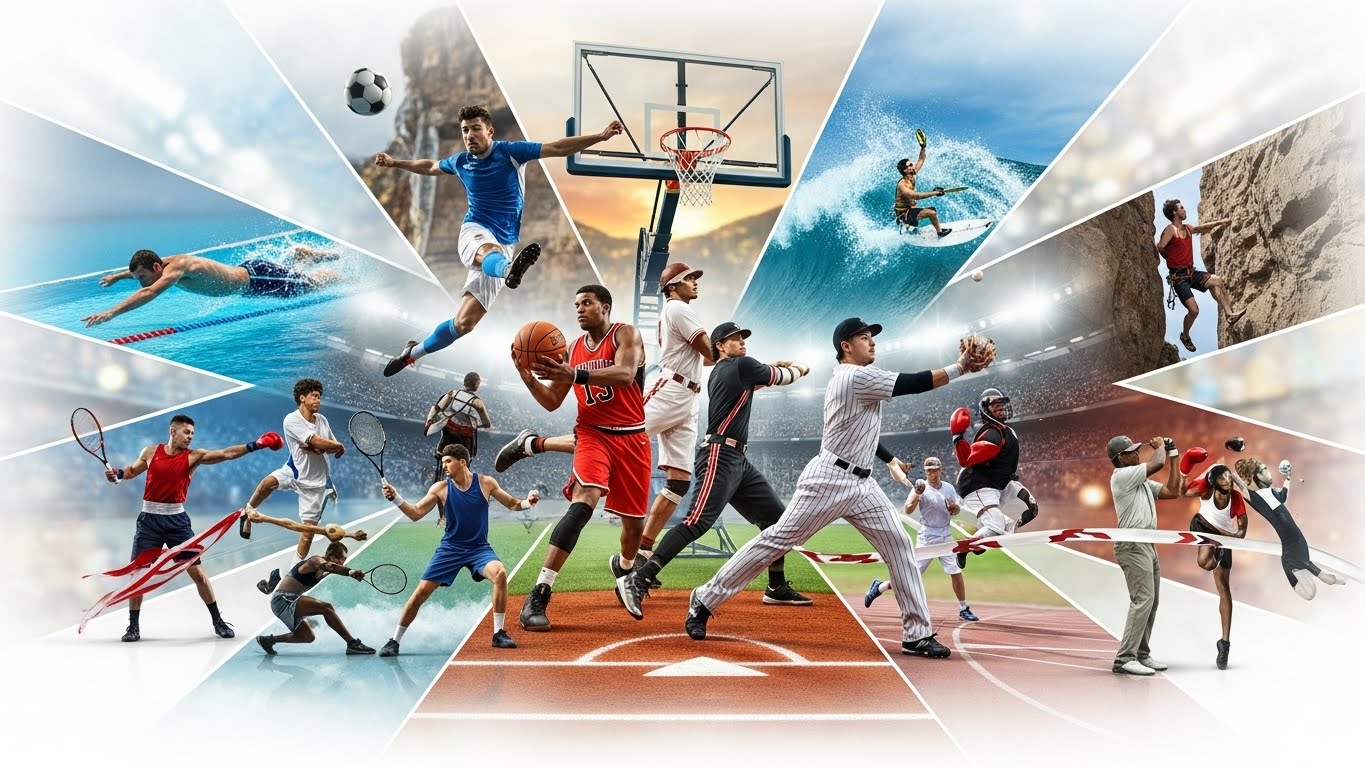






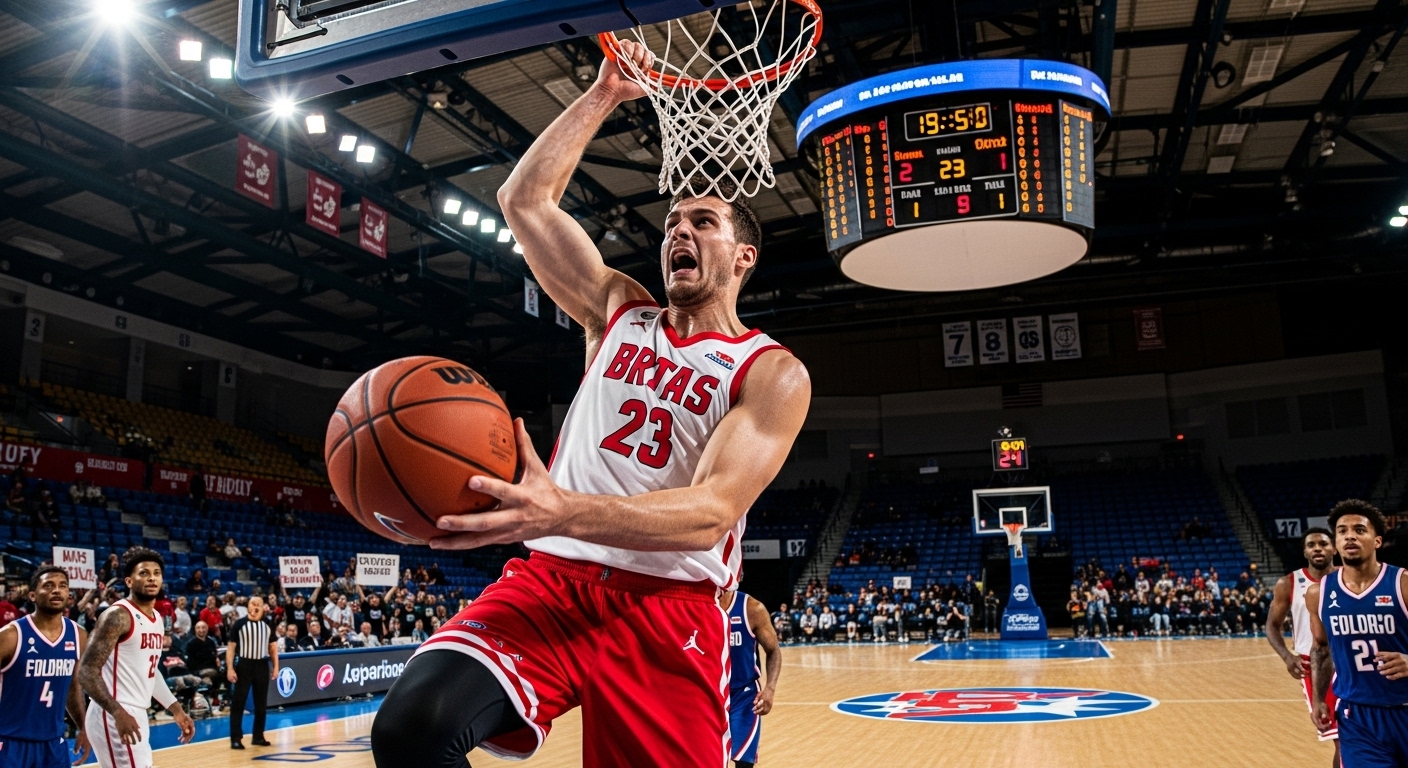
Sports have always been more than just a pastime or a means of entertainment; they are a universal language, transcending borders, cultures, and backgrounds. Whether it’s the roar of a crowd in a packed stadium, the intense focus of athletes pushing their limits, or the joy of participating in a local game with friends, sports are woven into the fabric of society. But beyond the obvious benefits of competition, teamwork, and physical fitness, sports offer profound lessons and experiences that can shape our lives in meaningful ways. This blog explores the transformative power of sports and why they continue to play a vital role in our world.
The Global Unity of Sports
Sports are uniquely positioned to bring people together, regardless of their nationality, ethnicity, or socio-economic status. From the grassroots level to the grandest international events like the Olympics or the FIFA World Cup, sports have the power to unite communities in a way few other things can. In a world often divided by political, cultural, and religious differences, sports create a common ground—a shared language that everyone can understand.
When people gather to watch or participate in a sporting event, they are momentarily united by a single purpose: to enjoy the game. In these moments, barriers of language, race, and background fade into the background, and the collective experience of supporting a team or an athlete becomes a powerful symbol of unity. The joy of winning or the disappointment of losing is shared by fans across the world, creating a sense of belonging and solidarity that transcends geographical divides.
Life Lessons Learned Through Sports
One of the most valuable aspects of sports is the life lessons they teach. Every game, practice, and competition offers an opportunity for personal growth. Athletes learn discipline, perseverance, and resilience—qualities that are not only essential for success in sports but also in life.
Through sports, individuals are exposed to both success and failure, learning how to handle each with grace. In victory, athletes learn the importance of humility, and in defeat, they learn how to pick themselves up, reflect on their mistakes, and keep moving forward. Sports also foster teamwork, teaching players to work collaboratively toward a common goal, trust their teammates, and contribute to something larger than themselves.
These lessons extend far beyond the field or court. They are the foundation for building strong character and emotional intelligence, qualities that help individuals succeed in their personal and professional lives. The dedication required in sports—whether it’s sticking to a training regimen or pushing through physical and mental challenges—becomes the same kind of dedication needed to pursue a career, maintain relationships, and face life’s ups and downs.
The Health Benefits of Sports
The physical benefits of sports are well-known and cannot be overstated. Regular participation in sports improves cardiovascular health, increases strength and flexibility, and promotes better coordination. But beyond the obvious fitness benefits, sports contribute significantly to mental health.
Physical activity has long been shown to reduce stress, anxiety, and depression. The endorphins released during exercise contribute to a sense of well-being, while the structure and routine that sports provide can help individuals maintain a healthy lifestyle. For many, playing sports is not just about staying in shape—it is a form of mental therapy, providing a way to disconnect from the pressures of daily life and focus on the present moment.
Sports also foster social connections, providing opportunities for individuals to meet new people, form lasting friendships, and build strong support networks. Whether through team sports or community-based recreational activities, sports create a sense of camaraderie and belonging, which is vital for mental and emotional well-being.
Sports as a Career
While many people view sports as a recreational activity, they also offer significant career opportunities. Professional athletes may be the most visible examples, but there are countless other roles in the world of sports, from coaching and training to sports journalism, marketing, and event management.
The rise of esports has also opened up new career paths for gamers, content creators, and technology experts. As the digital world continues to evolve, the sports industry is expanding, creating new opportunities for those with a passion for sports and innovation.
For those who may not become professional athletes, sports-related careers still offer exciting possibilities. Whether it’s working with local teams, organizing community sports leagues, or engaging in sports medicine, the sports industry provides a wide array of job opportunities for individuals with a variety of skill sets and interests.
The Economic Impact of Sports
Sports are a multi-billion-dollar industry that drives economies worldwide. Major sporting events, such as the Super Bowl, the Olympic Games, or the UEFA Champions League, generate significant revenue through ticket sales, sponsorships, broadcasting rights, and tourism. Cities and countries that host these events experience a boost in their local economies as tourists flood in to witness the spectacle.
Sports also provide employment for millions of people globally. From professional athletes and coaches to groundskeepers, broadcasters, and event organizers, the sports industry offers a wide range of job opportunities. In addition, the commercialization of sports through sponsorships, merchandise sales, and media rights contributes substantially to the global economy.
Moreover, sports have a unique ability to revitalize communities, particularly in areas where other forms of economic development may be lacking. Building sports facilities, hosting events, and supporting local teams can bring jobs, increase tourism, and improve the quality of life in communities.
The Future of Sports: Innovation and Evolution
As technology continues to advance, so too does the world of sports. Innovations in wearable technology, virtual reality, and data analytics are transforming how athletes train, compete, and interact with fans. Wearable devices that track performance metrics, for instance, allow athletes to monitor their physical condition in real-time, making it easier to optimize training and prevent injuries.
The rise of virtual sports experiences is another exciting development. With the advent of virtual reality, fans can now experience live sports events from the comfort of their homes, feeling as if they are sitting courtside or on the sidelines. These technological advancements not only make sports more accessible but also enhance the overall fan experience.
Additionally, the growing popularity of esports is reshaping the landscape of competitive sports. As esports gain mainstream recognition, they are paving the way for a new era of gaming competitions, where digital athletes compete on a global scale, attracting millions of viewers and creating new opportunities for fans and players alike.
Conclusion
Sports are more than just games—they are a powerful force that connects people, builds character, promotes health, and drives economies. Whether you’re a professional athlete, a recreational player, or simply a fan, the impact of sports on society is undeniable. As technology continues to evolve, so will the ways in which we experience and engage with sports, ensuring that they remain a vital part of our culture for generations to come.
The next time you step onto the field, pick up a ball, or cheer for your favorite team, remember that sports are not just about winning or losing—they are about the joy of participation, the lessons learned, and the bonds forged through shared experiences.