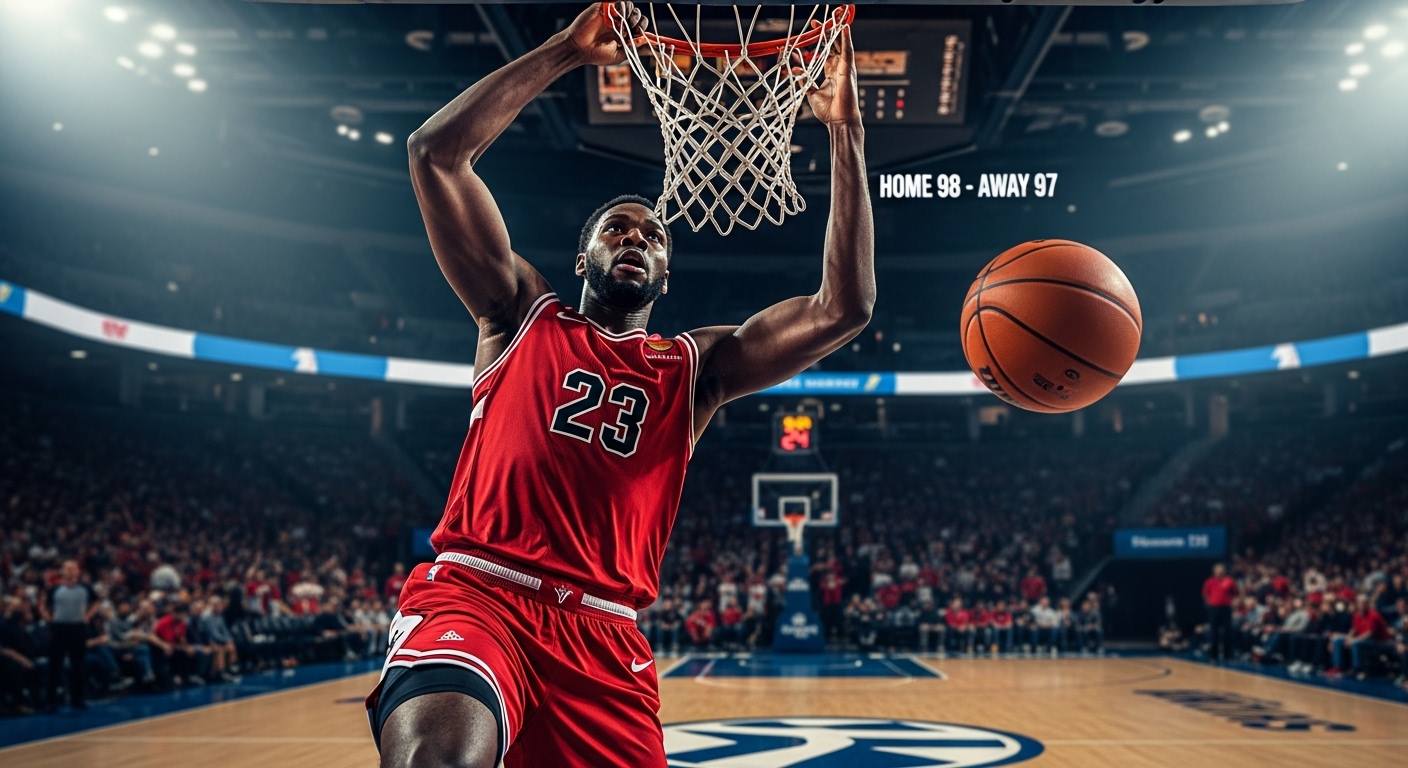






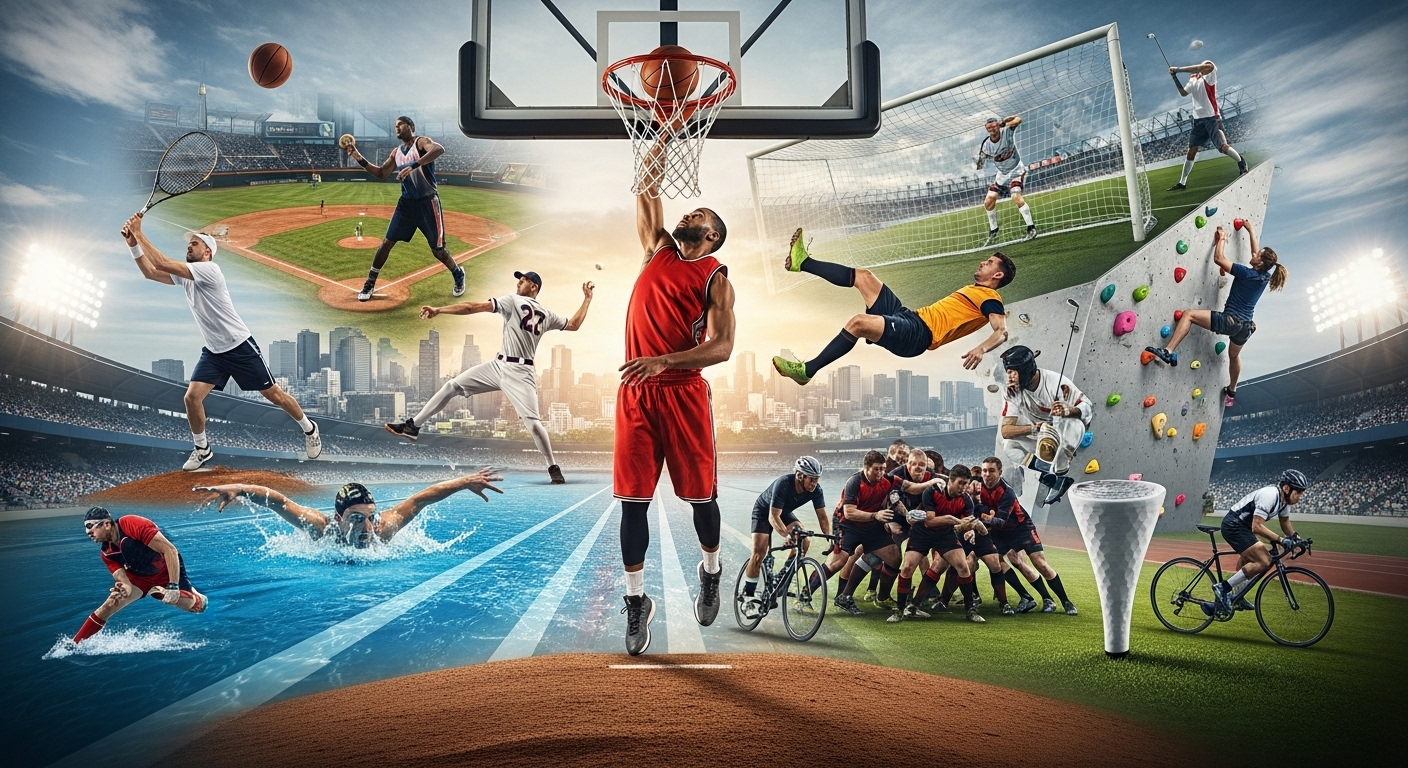
Sports have always been an integral part of human society. From the ancient Olympic Games to the modern-day professional leagues, sports reflect our desire for competition, personal achievement, and teamwork. They are more than mere games; they are a universal language that transcends culture, nationality, and social status. Every sport carries its unique history, rules, and culture, and each one offers a chance to witness the dedication and talent of athletes worldwide.
The Historical Significance of Sports
The history of sports is as old as civilization itself. Ancient societies recognized the importance of physical activity, both for health and as a display of strength and skill. The ancient Greeks, for example, celebrated athletic competitions as a way to honor their gods, leading to the birth of the Olympic Games in 776 BCE. Over time, sports evolved to reflect societal values and technological advancements. In medieval Europe, jousting and archery were prominent, while in Asia, martial arts like Kung Fu and Kendo emphasized discipline and precision.
These historical foundations reveal how sports have been intertwined with cultural identity and societal development. They show that sports are not just recreational activities but a mirror of human ambition, resilience, and creativity.
The Psychological Impact of Sports
Beyond physical benefits, sports significantly influence mental health. Participating in sports fosters discipline, perseverance, and resilience. Athletes learn to cope with failure, manage stress, and develop a growth mindset. The competitive nature of sports encourages individuals to push their limits and strive for excellence. Even for spectators, sports provide psychological benefits. Watching a favorite team play or cheering for an athlete can generate a sense of community, excitement, and emotional release.
Sports also teach valuable life lessons. They show the importance of teamwork, leadership, and communication. For children, engaging in sports can enhance social skills, boost confidence, and instill a sense of responsibility. For adults, it offers an outlet for stress and a way to maintain mental clarity and focus.
The Physical Benefits of Sports
The physical benefits of sports are undeniable. Regular participation in sports promotes cardiovascular health, strengthens muscles and bones, and improves flexibility and coordination. Sports such as swimming, running, and cycling enhance endurance, while activities like gymnastics or basketball develop agility and balance. Physical activity also boosts metabolism and helps maintain a healthy weight, reducing the risk of chronic diseases such as diabetes, obesity, and heart disease.
Moreover, sports encourage a lifestyle of fitness that often extends beyond the field or court. Athletes learn the importance of nutrition, rest, and recovery, and these habits often translate into healthier lifestyles for non-professional participants as well.
Team Sports: Building Unity and Collaboration
Team sports, such as football, basketball, and volleyball, exemplify the power of collaboration. They require players to work together toward a common goal, emphasizing the importance of strategy, coordination, and mutual support. Each member contributes unique skills, and success depends on collective effort rather than individual talent alone.
The lessons learned from team sports often carry over into professional and personal life. Teamwork teaches negotiation, conflict resolution, and the ability to function in diverse groups. Leaders emerge naturally in team settings, while others learn to be reliable and accountable to their peers.
Individual Sports: Pursuing Personal Excellence
In contrast to team sports, individual sports like tennis, boxing, and athletics focus on personal performance and self-discipline. Athletes in these fields learn to rely on their own skills, make critical decisions independently, and develop mental toughness. Individual sports challenge participants to set personal goals, track their progress, and confront their limitations.
While the pressure may be higher in individual sports, the rewards are equally significant. Athletes experience a deep sense of accomplishment and self-awareness, often developing a unique mindset that combines focus, determination, and resilience.
Extreme Sports: Testing Human Limits
Extreme sports have surged in popularity in recent years, attracting thrill-seekers and adrenaline junkies. Activities like skydiving, rock climbing, and BMX biking push the boundaries of human endurance and courage. Extreme sports are not only physically demanding but require exceptional mental fortitude. Participants must calculate risks, remain composed under pressure, and adapt quickly to changing conditions.
The allure of extreme sports lies in their ability to challenge conventional limits and offer a unique form of self-expression. They celebrate creativity, innovation, and the human desire to explore the unknown.
Women in Sports: Breaking Barriers
The participation of women in sports has undergone a remarkable transformation over the past century. Historically, women faced societal restrictions and limited opportunities in the athletic arena. Today, female athletes compete at the highest levels, inspire millions, and challenge stereotypes. Figures like Serena Williams in tennis, Simone Biles in gymnastics, and Megan Rapinoe in football exemplify the power and resilience of women in sports.
Women’s sports have also played a pivotal role in promoting gender equality. They highlight the need for equal resources, media coverage, and recognition. The growing popularity of women’s leagues and competitions demonstrates that talent and dedication are not confined by gender.
The Role of Technology in Modern Sports
Technology has revolutionized the way sports are played, analyzed, and enjoyed. From instant replays to wearable devices, technology enhances performance, safety, and fan engagement. Athletes use advanced training equipment, motion sensors, and video analysis to refine techniques and track progress. Coaches rely on data analytics to develop strategies and improve team performance.
For fans, technology has transformed the viewing experience. Live streaming, virtual reality, and interactive apps provide unprecedented access to games, statistics, and athlete insights. Technology has also facilitated the globalization of sports, connecting fans across continents and creating international communities.
Sports and Society: A Cultural Phenomenon
Sports play a significant role in shaping society and culture. They serve as a platform for social interaction, national pride, and community building. Major sporting events like the FIFA World Cup, the Olympics, and the Super Bowl bring people together, transcending social and cultural boundaries. They celebrate human achievement and foster a sense of belonging and shared identity.
Sports also influence fashion, entertainment, and media. Iconic athletes become cultural symbols, inspiring trends, music, and art. The stories of triumph, perseverance, and teamwork resonate beyond the stadium, shaping values and aspirations across generations.
The Economics of Sports
Sports are not just a cultural phenomenon—they are also a major economic driver. Professional leagues, endorsements, sponsorships, and broadcasting rights generate billions of dollars annually. Sports-related industries, including apparel, equipment, tourism, and media, contribute significantly to global economies. Cities hosting major events experience economic growth through tourism, infrastructure development, and job creation.
The financial aspect of sports also highlights the importance of management, marketing, and innovation. Successful sports organizations balance athletic excellence with business acumen, ensuring sustainable growth and fan engagement.
Youth Sports: Shaping the Future
Youth sports play a crucial role in the development of the next generation of athletes and citizens. Participation in organized sports teaches discipline, teamwork, and goal-setting from an early age. It promotes physical fitness and instills healthy habits that last a lifetime. Youth sports programs also provide a safe environment for children to explore their talents, make friends, and build confidence.
Encouraging children to engage in sports fosters a culture of active living and community involvement. It also opens pathways for future professional athletes, coaches, and sports leaders.
The Globalization of Sports
In today’s interconnected world, sports have become a global phenomenon. Athletes from different countries compete internationally, sharing skills, culture, and experiences. Global tournaments and leagues create opportunities for cultural exchange, diplomacy, and mutual understanding. Sports transcend political and social barriers, demonstrating that competition can unite rather than divide.
The globalization of sports also provides exposure to new disciplines, encouraging diversity in participation. Fans around the world follow international leagues, celebrate foreign athletes, and embrace the excitement of global competition.
The Future of Sports
The future of sports promises innovation, inclusivity, and sustainability. Emerging technologies, such as artificial intelligence, virtual reality, and performance analytics, will continue to enhance training and fan experiences. Sports organizations are increasingly emphasizing inclusivity, creating opportunities for differently-abled athletes and promoting diversity across all levels.
Environmental sustainability is also becoming a priority, with leagues and events adopting green practices to reduce carbon footprints. As society evolves, sports will continue to reflect our collective values, aspirations, and creativity.
Conclusion
Sports are far more than games—they are a reflection of human spirit, culture, and society. They inspire us, challenge us, and bring us together in ways few other activities can. From historical traditions to modern innovations, sports continue to shape lives, foster community, and celebrate excellence. Whether participating on the field, cheering from the stands, or following competitions worldwide, sports provide a timeless source of joy, inspiration, and connection.