






Introduction: The Universal Language of Sports
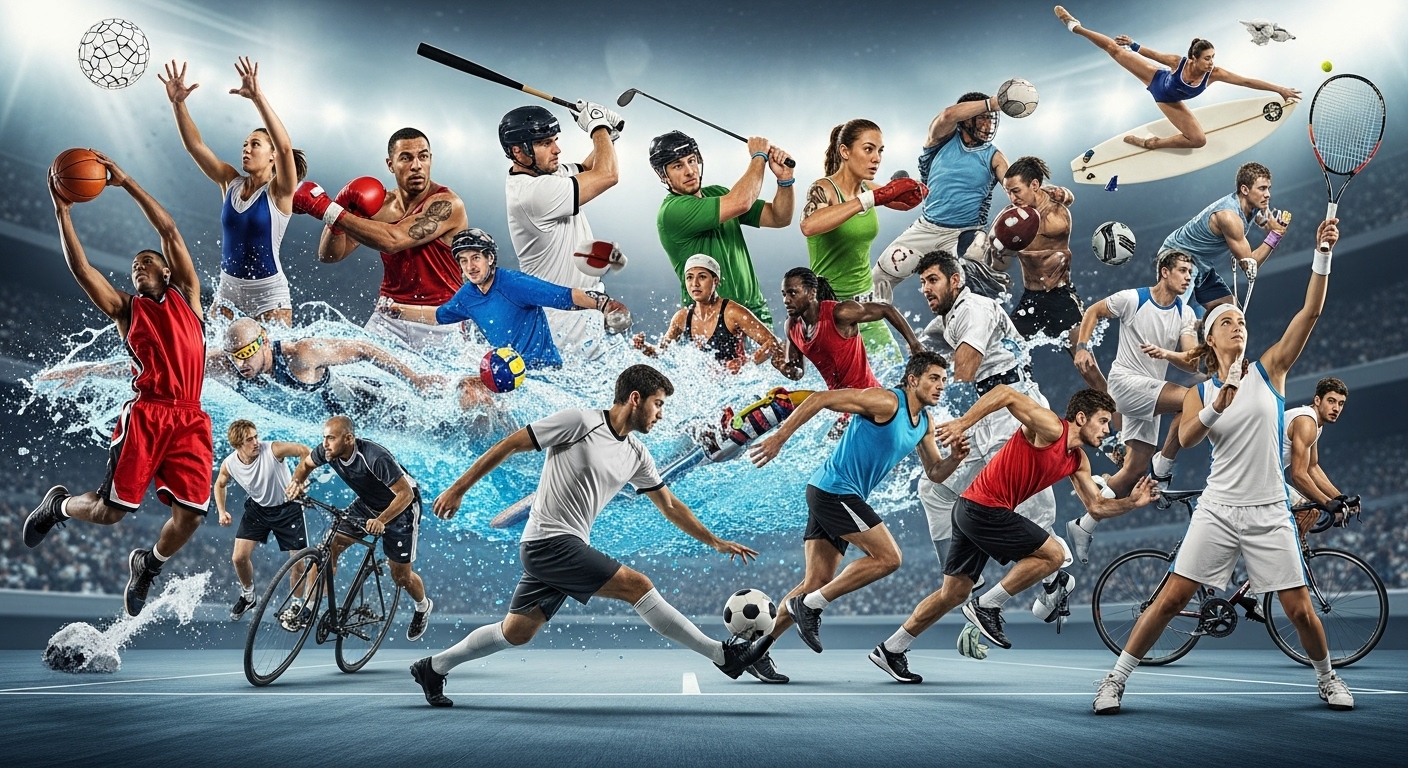
Sports are much more than games played for entertainment. They are a reflection of human strength, resilience, and creativity, creating powerful connections between individuals, communities, and entire nations. Across the globe, people engage in sports for a variety of reasons: to stay fit, to compete, to bond with others, or simply for enjoyment. The significance of sports transcends physical activity and competition. They are an integral part of human society, influencing everything from cultural identity to social relationships. This blog delves into the profound impact of sports—not just on athletes, but on society as a whole—and explores how games have the power to shape lives in ways we may not often recognize.
The History of Sports: From Ancient Times to Modern-Day Competitions
The history of sports is as old as human civilization itself. Ancient cultures, such as those in Greece, Egypt, and China, practiced various forms of physical competitions to prepare for battle, celebrate religious rites, and foster community spirit. The ancient Greeks introduced the Olympic Games in 776 BC, laying the groundwork for modern competitive sports. These early events celebrated athletic prowess and honored gods, becoming a symbol of unity and shared values.
As civilizations evolved, so too did sports. In the Middle Ages, sports like jousting and archery were used to train knights for combat, while the modern era saw the establishment of formalized rules and organized leagues. In the late 19th and early 20th centuries, the industrial revolution played a key role in the development of mass spectator sports, giving rise to professional leagues and international competitions that would soon captivate global audiences. Today, sports continue to thrive worldwide, with millions of fans watching their favorite teams and athletes compete on the world stage. This long history of sports shows how deeply ingrained competition, camaraderie, and the human spirit are in the fabric of society.
Physical and Mental Health Benefits of Sports
One of the most obvious and immediate benefits of sports is physical fitness. Regular participation in sports improves cardiovascular health, strengthens muscles, enhances flexibility, and boosts overall physical well-being. Whether it’s running, swimming, basketball, or soccer, engaging in sports helps individuals maintain a healthy weight, improve endurance, and increase strength.
But the benefits of sports extend beyond just the physical. Sports are also a powerful tool for improving mental health. Exercise, especially in the form of sports, stimulates the release of endorphins, which are chemicals in the brain that help combat stress, anxiety, and depression. For many people, sports provide a much-needed outlet to relieve the pressures of daily life and clear the mind. Athletes often describe the “flow” state they experience when playing—when they are fully immersed in the game and free from distractions. This feeling of engagement can have positive effects on an individual’s emotional and mental state, offering a form of meditation through movement.
Additionally, sports contribute to better sleep patterns, improved cognitive function, and increased self-confidence. For children and adolescents, involvement in sports is crucial for developing important life skills, including discipline, teamwork, and leadership. The mental resilience built through sports allows individuals to face challenges in other areas of their lives with greater confidence and determination.
Sports as a Vehicle for Social Connection
Sports have a unique ability to bring people together, regardless of their background, ethnicity, or social status. Whether it’s cheering for a local team, playing pickup games with friends, or attending a major international event, sports create a sense of belonging. For millions of fans, the experience of supporting a favorite team is a social activity that connects them to others in meaningful ways. The collective joy or heartbreak shared during a game fosters deep bonds between individuals who may not otherwise have much in common.
In team sports, athletes work toward a common goal, learning how to collaborate and communicate effectively. This teamwork doesn’t only occur on the field—off the field, athletes form lasting friendships and support networks. The shared experience of striving for victory, dealing with defeat, and celebrating success builds a sense of community and trust that transcends the game itself.
At a broader level, sports also promote unity on a national scale. International sporting events like the Olympics and the FIFA World Cup bring people together across borders, fostering a spirit of global camaraderie. Even amid fierce competition, fans from all over the world can appreciate the athleticism, dedication, and perseverance of the athletes. These global events promote peace, understanding, and cultural exchange, as individuals from different nations and backgrounds come together to celebrate their common love for sport.
The Role of Technology in Shaping Modern Sports
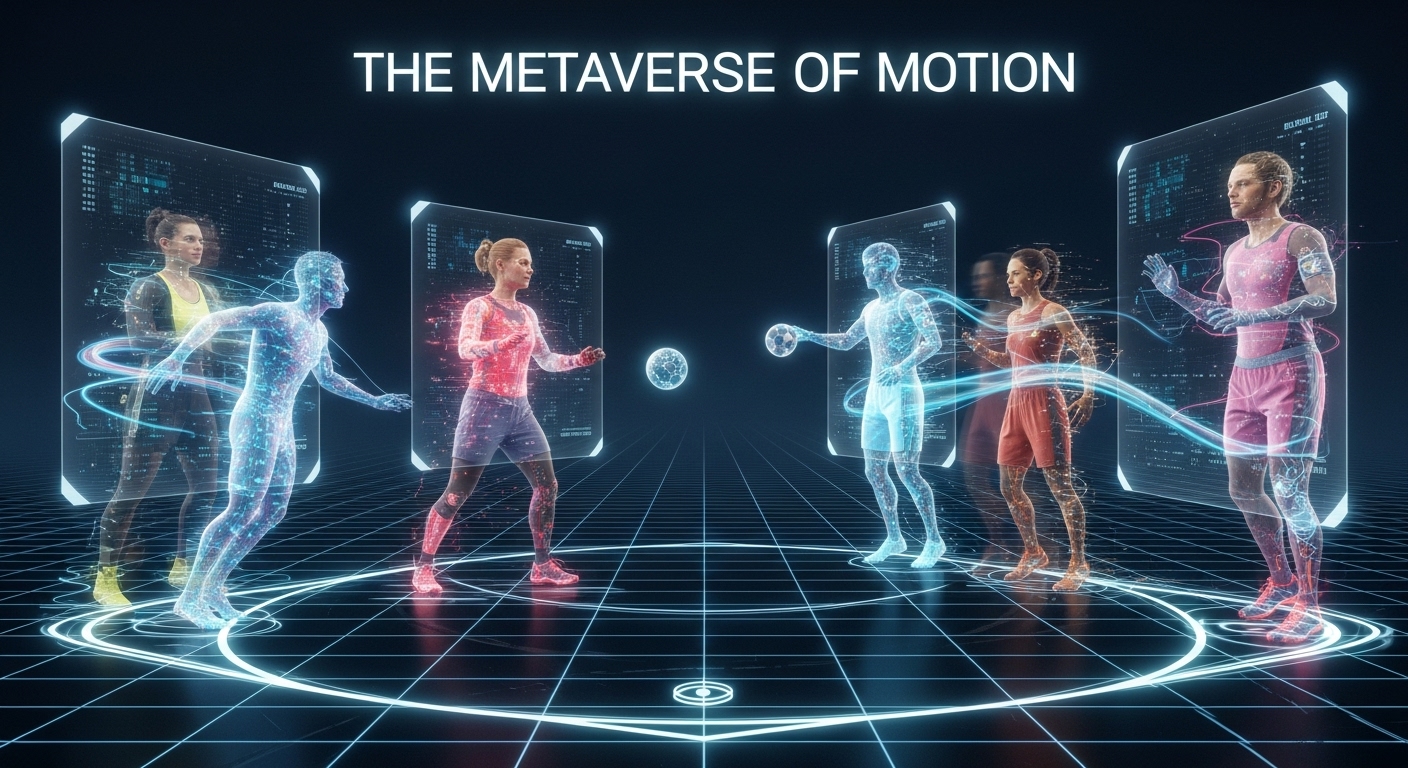
Technology has revolutionized the way we experience sports, both as athletes and spectators. Innovations in equipment, training, and performance analytics have allowed athletes to reach new heights of performance. From high-tech training devices that measure everything from heart rate to biomechanical movement to virtual reality simulations that help athletes practice without stepping onto the field, technology has transformed the way sports are played and analyzed.
In addition to performance improvements, technology has made watching sports more accessible and immersive than ever. High-definition broadcasts, live streaming, and online platforms allow fans to watch their favorite games from anywhere in the world, expanding the reach of sports beyond physical stadiums. Enhanced visual effects, instant replays, and virtual graphics make games more exciting and interactive for viewers. Even social media platforms allow fans to interact with their favorite athletes, share their thoughts, and engage with the sports community in ways that were previously impossible.
Moreover, technology plays a role in improving safety in sports. Wearable devices help track injuries and monitor players’ health, providing real-time data to prevent overtraining and reduce the risk of serious injuries. Instant replay technology ensures that referees can make more accurate decisions, leading to fairer competitions. As technology continues to evolve, it will further impact sports, enhancing performance, improving safety, and elevating the fan experience.
The Cultural Impact of Sports
Sports are often seen as a mirror of society. They reflect social values, cultural norms, and national identities. In many countries, sports hold immense cultural significance. For example, in countries like Brazil, soccer is more than just a sport—it is an essential part of the nation’s identity and pride. Similarly, in countries like the United States, American football, basketball, and baseball play pivotal roles in shaping local and national cultures.
Athletes, too, become cultural icons. Stars like Michael Jordan, Serena Williams, and Cristiano Ronaldo are not just athletes—they are symbols of excellence, perseverance, and ambition. Their influence extends beyond the field of play, impacting fashion, music, and even politics. These athletes use their platforms to advocate for social causes, raise awareness about important issues, and inspire the next generation of leaders.
Additionally, sports can challenge societal norms and promote inclusivity. Women’s sports, for example, have made significant strides in recent years, with female athletes gaining recognition and support that was once unavailable. Paralympic sports have similarly helped bring attention to athletes with disabilities, breaking down barriers and promoting acceptance. As society continues to evolve, sports play an important role in driving social change and challenging stereotypes.
Sports as an Economic Driver
Beyond the personal and social benefits, sports are a major economic driver. Professional leagues, major tournaments, and international events generate billions of dollars in revenue each year. This income comes from ticket sales, sponsorships, media rights, and merchandising, creating jobs and boosting local economies. Cities that host large sporting events, such as the Olympics or World Cup, often see a significant increase in tourism, infrastructure development, and global visibility.
In many countries, sports are also a major source of national pride, with athletes becoming living embodiments of the nation’s aspirations. The success of a country’s athletes can lift national morale, generate unity, and inspire future generations. The positive economic impact of sports is felt not just in the entertainment sector but also in hospitality, retail, and even technology industries.
Challenges Facing the Sports World
While sports bring immense joy and opportunities, they also face significant challenges. Issues such as doping, corruption, and violence threaten the integrity of competitions. Doping scandals, for example, have tainted the careers of many athletes and undermined the credibility of some sports. Corruption, especially in the management of major events like the Olympics and World Cup, has led to questions about fairness and transparency.
In addition, the commercialization of sports has sometimes led to a focus on profit over the well-being of athletes. The pressure to perform at the highest level can take a toll on mental health, with athletes facing anxiety, depression, and burnout. As the demand for entertainment and sponsorship dollars grows, the well-being of athletes can sometimes be overlooked.
The Future of Sports: Inclusivity and Innovation
Looking ahead, the future of sports is filled with promise. With advances in technology, greater inclusivity, and a focus on athlete well-being, sports are set to become more innovative and accessible than ever. We can expect more women’s sports leagues to flourish, adaptive sports for athletes with disabilities to continue growing, and virtual reality experiences that allow fans to engage with sports in new ways. Sports will remain a central pillar of culture, identity, and society, continuing to inspire, unite, and entertain for generations to come.
Conclusion: The Endless Power of Sports
Sports, in all their forms, hold a profound impact on individuals, communities, and the world at large. From promoting physical health to fostering social connections and driving cultural change, sports offer endless benefits. They challenge our limits, teach us resilience, and inspire us to dream big. Whether we’re playing, watching, or simply cheering from the sidelines, sports remind us of the power of the human spirit. As we continue to push the boundaries of what’s possible, sports will remain a testament to our shared desire for growth, achievement, and unity.