






Introduction: The Universal Language of Sports
Sports have been a part of human civilization since ancient times. From the chariot races of ancient Rome to the modern-day Olympics, the essence of sports lies in the pursuit of excellence, the thrill of competition, and the unity it brings to people across cultures. Whether played on a field, court, track, or in the water, sports represent the human spirit’s unending desire to test limits and achieve greatness. It transcends boundaries of language, nationality, and social status — making it one of the most powerful forces of connection in the world.
In today’s world, sports have evolved beyond mere physical activity. They are now a global phenomenon influencing culture, economy, education, and even politics. Sports stars are not just athletes — they are icons, role models, and sometimes even activists who shape societal values. The following exploration delves into the multifaceted world of sports: its history, its impact, the science behind it, and how it continues to inspire billions.
The Historical Roots of Sports
The story of sports begins in ancient history. The earliest evidence of organized sport dates back thousands of years. The ancient Greeks introduced the Olympic Games around 776 BC, a celebration of athletic excellence and religious devotion. These early games featured events such as running, wrestling, boxing, and discus throwing — activities designed to honor the gods while showcasing human ability.
Across the globe, different civilizations developed their own sporting traditions. The ancient Chinese played a form of soccer called “Cuju.” In Mesoamerica, the Mayans and Aztecs played a ball game that combined ritual with sport. The Romans built massive amphitheaters like the Colosseum to host gladiator contests — spectacles that combined athletic prowess with theatrical drama. Sports were not only entertainment but also a reflection of the cultural and moral values of their societies.
As centuries passed, sports evolved from ritualistic and military exercises into organized leisure activities. By the 19th century, with the rise of industrialization and global communication, modern sports such as football (soccer), cricket, tennis, and basketball began to take shape. The reintroduction of the modern Olympic Games in 1896 marked a turning point, laying the foundation for international competition and camaraderie.
The Modern Landscape of Sports
Today, sports have transformed into a multi-trillion-dollar global industry. Football (soccer) alone commands billions of fans across continents, while sports like basketball, cricket, tennis, golf, and athletics attract enormous audiences. The rise of technology and media has turned athletes into global superstars, making sports a form of mass entertainment as much as competition.
The modern sports industry comprises professional leagues, broadcasting rights, sponsorships, merchandising, and digital engagement. Events like the FIFA World Cup, the Olympic Games, the Super Bowl, and the NBA Finals attract billions of viewers worldwide. Beyond entertainment, sports have also become a platform for branding, diplomacy, and social influence.
Social media has played a significant role in this transformation. Today’s athletes connect directly with fans, share their stories, and use their platforms to advocate for social causes. This has created a new dynamic between sports, society, and identity — where the field of play extends beyond stadiums into the digital space.
The Science and Psychology of Sports
Behind every athletic performance lies a world of science. Sports science explores biomechanics, physiology, nutrition, and psychology to optimize human performance. Coaches and researchers analyze everything from muscle movement to reaction time, developing training methods that maximize efficiency and reduce injury risks.
Athletes today train with the support of cutting-edge technology — from wearable sensors that track performance metrics to AI-driven analysis tools that identify strengths and weaknesses. Nutrition plays a central role, as diet plans are customized to suit specific needs, ensuring energy balance and recovery.
However, one of the most fascinating aspects of modern sports science is sports psychology. Mental toughness often separates good athletes from great ones. Visualization, focus, resilience, and emotional regulation are vital to success. The pressure of competition, the expectations of fans, and the challenges of failure all test an athlete’s mind as much as their body.
Sports psychologists help athletes manage anxiety, enhance motivation, and maintain balance. This psychological dimension of sport has become increasingly recognized, especially after several high-profile athletes have spoken openly about mental health. The message is clear: champions are not only made in the gym but also in the mind.
The Role of Sports in Society
Sports are more than competition — they are a social fabric that binds communities. In schools and colleges, sports teach teamwork, discipline, leadership, and resilience. They provide an outlet for energy, a medium for expression, and a platform for inclusion. Through sports, individuals learn cooperation, respect, and fair play — values that extend far beyond the field.
On a larger scale, sports have often acted as a bridge between divided societies. Historic moments such as Nelson Mandela’s use of the 1995 Rugby World Cup to unite post-apartheid South Africa demonstrate the power of sports in fostering reconciliation and national pride. Similarly, international tournaments bring nations together in peaceful competition, promoting mutual understanding.
Moreover, sports play a crucial role in promoting gender equality and empowerment. Women athletes have broken barriers in every discipline, proving that excellence knows no gender. Icons like Serena Williams, Simone Biles, and Megan Rapinoe have redefined the landscape, inspiring generations of young girls to pursue their dreams fearlessly.
Sports also serve as a platform for activism and change. Athletes today use their influence to raise awareness on issues like racial injustice, mental health, environmental sustainability, and equal pay. This shift signifies that sports are not just about winning but also about standing for something greater.
The Economics of Sports
The economic footprint of sports is enormous. From stadium construction to sponsorship deals, from broadcasting rights to merchandise sales, sports generate billions globally. Major events like the Olympic Games or the FIFA World Cup stimulate host economies through tourism, infrastructure, and international exposure.
Professional athletes are among the highest-paid individuals in the world. However, the sports economy is not limited to the players alone. It encompasses coaches, medical staff, media professionals, advertisers, and countless others. The ecosystem provides employment to millions and contributes significantly to national GDPs.
Moreover, the sports business has expanded into new domains such as e-sports, fantasy leagues, and sports analytics. E-sports, once considered a niche hobby, has exploded into a global industry with professional gamers, teams, and tournaments offering million-dollar prizes. The line between traditional sports and digital competition continues to blur, especially among younger audiences.
Technology and Innovation in Sports
The technological revolution has redefined the way sports are played, watched, and analyzed. Instant replay systems, goal-line technology, Hawk-Eye tracking in tennis, and VAR (Video Assistant Referee) in football ensure fairness and accuracy. Wearable fitness trackers and smart fabrics monitor athletes’ vitals, helping optimize training and prevent injuries.
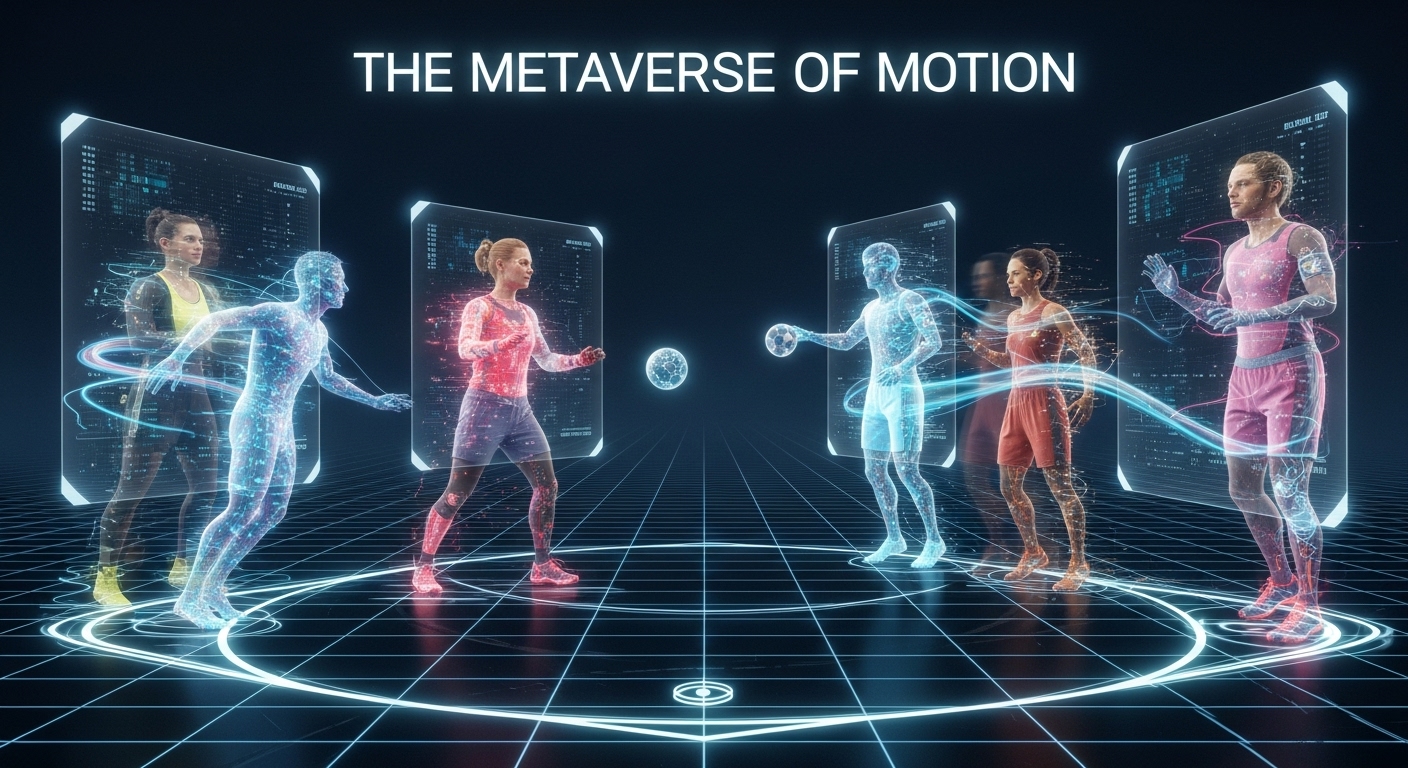
Virtual reality and augmented reality are changing fan engagement. Fans can now experience matches from immersive perspectives or train virtually with their favorite players. Data analytics, meanwhile, has become indispensable. Teams use advanced statistics to make decisions about player recruitment, strategies, and game-day tactics.
Even sports broadcasting has evolved. High-definition cameras, drones, and multi-angle replays provide fans with an unprecedented viewing experience. Social media integration allows real-time engagement, making sports more interactive than ever before.
The Rise of E-Sports and Digital Athletics
The rise of e-sports has been one of the most remarkable developments of the 21st century. Competitive video gaming has transitioned from basements to arenas filled with cheering fans. Titles like League of Legends, Dota 2, and Counter-Strike: Global Offensive attract millions of viewers worldwide. The structure of e-sports mirrors traditional sports — with leagues, teams, sponsorships, and even player contracts.
E-sports athletes undergo rigorous training schedules, honing reflexes and strategies to compete at elite levels. The cognitive and psychological demands are immense, as split-second decision-making and hand-eye coordination determine success. Universities now offer scholarships for e-sports, recognizing it as a legitimate form of athletic endeavor.
This digital revolution has opened the door to new audiences and new definitions of sportsmanship. It challenges traditional ideas about what constitutes an athlete, emphasizing that competition and skill can manifest in many forms — physical or digital.
The Inspirational Power of Sports
Sports inspire. They ignite passion and hope in ways few other human activities can. When an underdog triumphs, when an athlete overcomes adversity, or when a nation rallies behind a team — the emotional resonance is profound. Legendary moments such as Muhammad Ali’s fights, Usain Bolt’s record-breaking sprints, or the miracle victories in football finals become timeless stories that inspire generations.
Sports also offer lessons in failure. Every athlete, no matter how great, faces defeat. The ability to rise after loss, to persevere through pain, and to strive for improvement defines true champions. These lessons extend beyond the field, shaping how people approach challenges in their own lives.
In communities worldwide, sports have become a tool for empowerment. Youth programs use sports to steer children away from crime and into education. Refugee communities find identity and hope through organized games. For many, sports are not just recreation — they are a path to dignity, belonging, and opportunity.
The Challenges Facing the World of Sports
Despite its many positives, the sports world faces several challenges. Issues such as doping, corruption, match-fixing, and inequality continue to threaten the integrity of competition. The relentless pursuit of profit sometimes overshadows the spirit of fair play. Furthermore, the mental and physical toll on athletes, amplified by media scrutiny, can lead to burnout and stress.
The growing commercialization of sports has also raised questions about accessibility. While professional leagues thrive, grassroots sports in underprivileged areas often struggle for funding. Ensuring that everyone — regardless of background — has the opportunity to participate remains a crucial challenge.
Environmental sustainability is another emerging concern. Massive sporting events generate significant carbon footprints. The industry must evolve toward greener practices, from stadium design to travel policies, to align with global sustainability goals.
Sports and the Future: Trends and Possibilities
Looking ahead, the future of sports promises to be dynamic and innovative. Artificial intelligence, virtual coaching, genetic research, and biomechanical enhancements could redefine athletic performance. New materials may revolutionize sportswear and equipment, while data-driven insights will continue to refine training and strategy.
The fusion of sports and entertainment will deepen. Hybrid events, fan-driven media, and interactive viewing will make spectators part of the experience. Meanwhile, inclusivity will remain a major focus. Adaptive sports for differently-abled athletes, already showcased brilliantly in the Paralympics, will gain further recognition and support.
The boundary between physical and digital will continue to blur. As technology advances, the distinction between traditional athletes and digital competitors will fade, creating a broader, more diverse sporting universe. Yet, amid all the innovation, one truth will remain: the essence of sports lies not in technology or profit, but in human emotion — the will to compete, to connect, and to inspire.
Conclusion: The Spirit That Unites Us All
At its core, sports celebrate the best of humanity — courage, perseverance, respect, and unity. Whether it’s a child chasing a ball in a dusty field or a professional athlete competing under bright stadium lights, the spirit is the same. Sports remind us that while we may come from different places, speak different languages, and hold different beliefs, the joy of play and the pursuit of excellence connect us all.
Sports teach us how to win with humility and lose with grace. They show us that greatness is not just about strength or skill but also about heart. In every athlete’s journey, we see a reflection of our own struggles and triumphs.
In an ever-changing world, sports remain one of the few constants that continue to inspire hope, bridge divides, and celebrate the limitless potential of the human spirit. The world of sports, in all its diversity and passion, is not merely a spectacle — it is a testament to what we can achieve when we push beyond limits, together.