





Introduction: The Universal Language of Sports
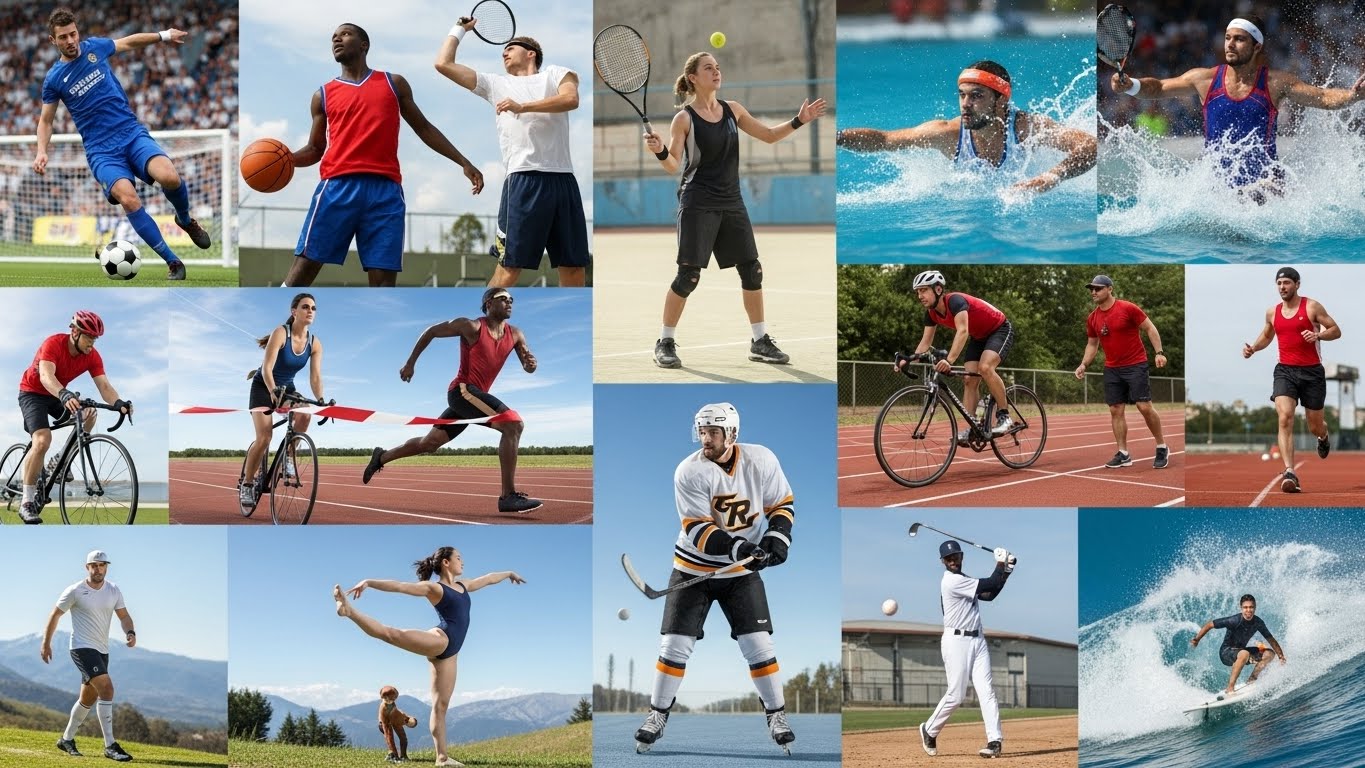
Sports have always been more than just games played on fields, courts, or tracks. They are a universal language, a medium that transcends borders, cultures, and even generations. From the adrenaline of a last-minute goal in football to the serene focus of an Olympic archer, sports evoke emotions that few other human activities can match. Beyond entertainment, sports have a profound impact on society, shaping values, fostering unity, and promoting physical and mental well-being.
The Evolution of Sports Through Time
Sports, in one form or another, have existed for thousands of years. Ancient civilizations had their own versions of competitive activities, from the Olympic Games of Greece to chariot races in Rome. These early forms of sports were not only about competition but also about community, celebration, and even spirituality. Over time, sports evolved, adapting to societal changes and technological advancements. Today, modern sports have become highly organized, professionalized, and commercialized, attracting millions of fans and generating significant economic impact globally.
Physical Benefits of Participating in Sports
One of the most obvious advantages of engaging in sports is the enhancement of physical health. Regular participation strengthens muscles, improves cardiovascular health, enhances flexibility, and boosts endurance. It helps in maintaining a healthy weight and reduces the risk of chronic illnesses such as diabetes, heart disease, and obesity. Children who participate in sports develop better motor skills and coordination, while adults benefit from improved energy levels and longevity. Beyond physical fitness, sports also teach the importance of discipline, consistency, and goal setting, qualities that extend into other aspects of life.
Mental Health and Emotional Well-being
While physical benefits are widely acknowledged, the psychological advantages of sports are equally significant. Engaging in sports reduces stress levels, promotes better sleep, and boosts overall mood. The release of endorphins during physical activity creates a natural high that combats anxiety and depression. Team sports, in particular, foster camaraderie and a sense of belonging, which are crucial for emotional stability. Athletes often report increased self-confidence, resilience, and the ability to cope with setbacks—lessons that are invaluable both on and off the field.
Sports as a Tool for Social Change
Sports have an unparalleled ability to unite people and drive social change. Events like the Olympics, the World Cup, and international marathons bring together participants from diverse backgrounds, promoting peace, tolerance, and cross-cultural understanding. Throughout history, athletes have used their platforms to challenge social injustices, raise awareness about global issues, and inspire movements. Stories of individuals overcoming adversity through sports serve as powerful examples of human resilience and determination, proving that the influence of sports extends far beyond competition.
The Role of Sports in Education
Incorporating sports into education is not merely about physical activity; it is about holistic development. Schools and universities that emphasize athletics alongside academics help students cultivate time management, teamwork, and leadership skills. Participation in sports encourages students to set goals, develop strategic thinking, and embrace failure as part of the learning process. Moreover, sports foster inclusivity by providing opportunities for students from varied backgrounds to interact, compete, and learn from one another, thereby building a stronger sense of community within educational institutions.
Professional Sports: Careers and Opportunities
The professionalization of sports has created opportunities that extend beyond playing the game. Athletes today can pursue careers in coaching, sports medicine, fitness training, sports journalism, and event management, among others. The rise of sports analytics and technology has further expanded the field, offering roles in data analysis, performance optimization, and fan engagement. Professional sports also contribute significantly to national economies by generating employment, stimulating tourism, and creating a global fan base that fuels related industries such as merchandising, broadcasting, and sponsorship.
Women in Sports: Breaking Barriers
Historically, sports were predominantly male-dominated, but women have gradually carved out their place and achieved remarkable milestones. Female athletes continue to break barriers, challenging societal norms and inspiring future generations. The growing visibility of women’s sports leagues, international competitions, and advocacy for gender equality has brought attention to the importance of equal opportunities, pay parity, and media representation. The success of women in sports highlights the potential of athletic platforms to promote inclusivity, empowerment, and social progress.
The Impact of Technology on Modern Sports
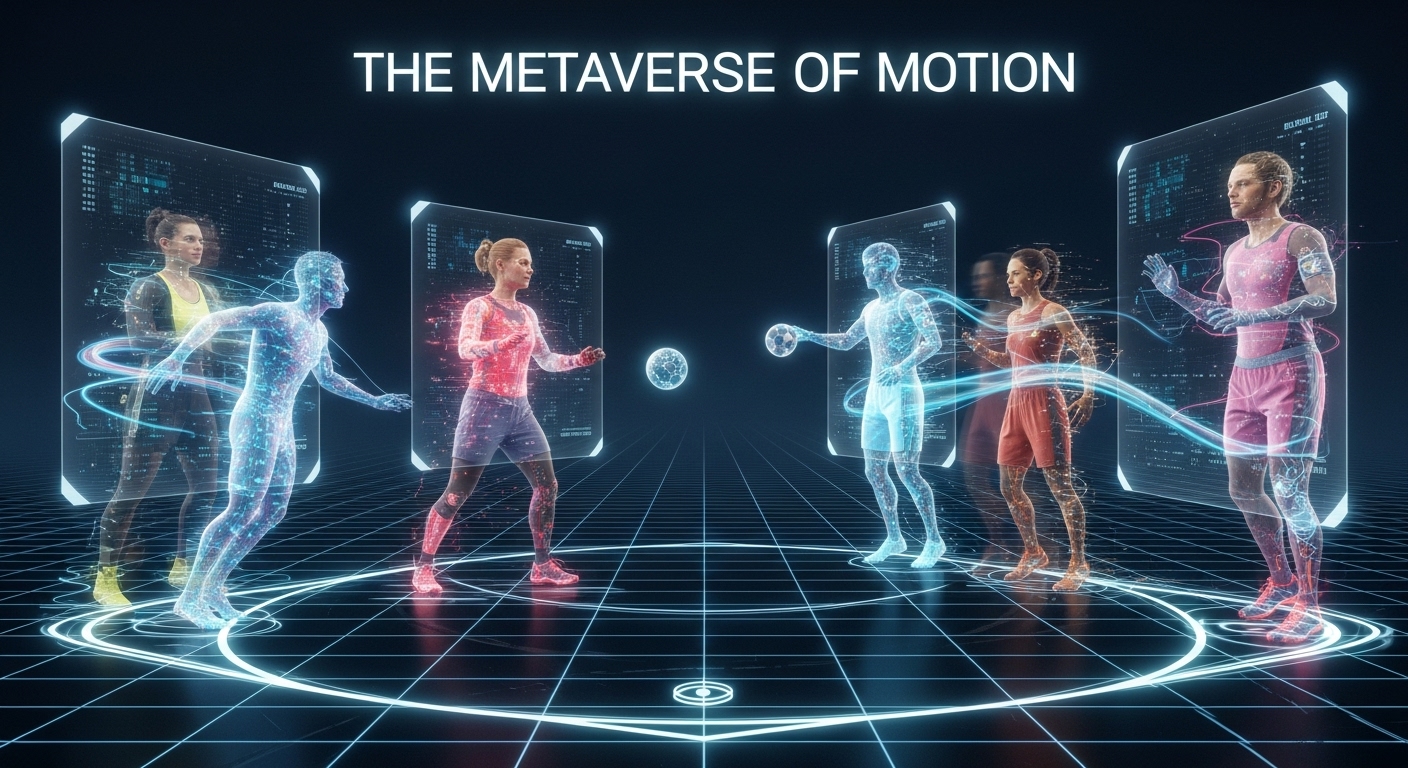
Technology has revolutionized the way sports are played, analyzed, and experienced. From advanced equipment that enhances performance to video-assisted refereeing and wearable fitness trackers, innovation has become integral to modern sports. Fans can now engage with their favorite teams through digital platforms, immersive broadcasts, and interactive content, making sports a more connected and personalized experience. Moreover, technology helps in injury prevention, performance optimization, and strategy development, transforming sports into a highly scientific and precise field rather than just physical competition.
Sports and Cultural Identity
Sports are deeply intertwined with cultural identity, reflecting the traditions, values, and pride of communities. Certain sports are iconic symbols of national heritage, such as sumo wrestling in Japan, cricket in India, or rugby in New Zealand. International competitions allow nations to showcase their talent, resilience, and unity on a global stage. Sporting events often evoke patriotism and foster a collective sense of belonging, reinforcing the idea that sports are not merely games but a vital part of cultural expression.
Challenges in the World of Sports
Despite the many benefits, the sports industry faces challenges that cannot be ignored. Issues such as doping, corruption, commercialization, and athlete burnout have marred the reputation of professional sports at times. Young athletes often face immense pressure to perform, sometimes at the cost of their physical and mental well-being. Addressing these challenges requires responsible governance, ethical practices, and a balance between competition and holistic development. Sports should prioritize integrity, fair play, and long-term sustainability over short-term gains or sensationalism.
The Future of Sports
The future of sports is bright and dynamic, shaped by emerging trends and evolving societal values. There is a growing emphasis on inclusivity, with adaptive sports gaining recognition and accessibility improving for differently-abled athletes. Virtual reality and e-sports are redefining what it means to compete, attracting new generations of participants and fans. Moreover, environmental sustainability is becoming a central focus, with organizers seeking ways to reduce the ecological footprint of sporting events. As sports continue to adapt and innovate, their capacity to inspire, unite, and transform remains unparalleled.
Conclusion: More Than Just a Game
Sports are far more than a collection of rules, scores, and trophies. They are a reflection of human aspiration, resilience, and creativity. They teach us the value of teamwork, the importance of discipline, and the courage to overcome challenges. Sports inspire communities, bridge divides, and create a sense of shared identity. Whether played professionally or for leisure, sports leave an indelible mark on individuals and society, reminding us that the true essence of competition lies not in winning alone but in growth, connection, and the pursuit of excellence. In a rapidly changing world, sports remain a timeless force that continues to enrich lives, nurture talent, and build bridges across cultures.