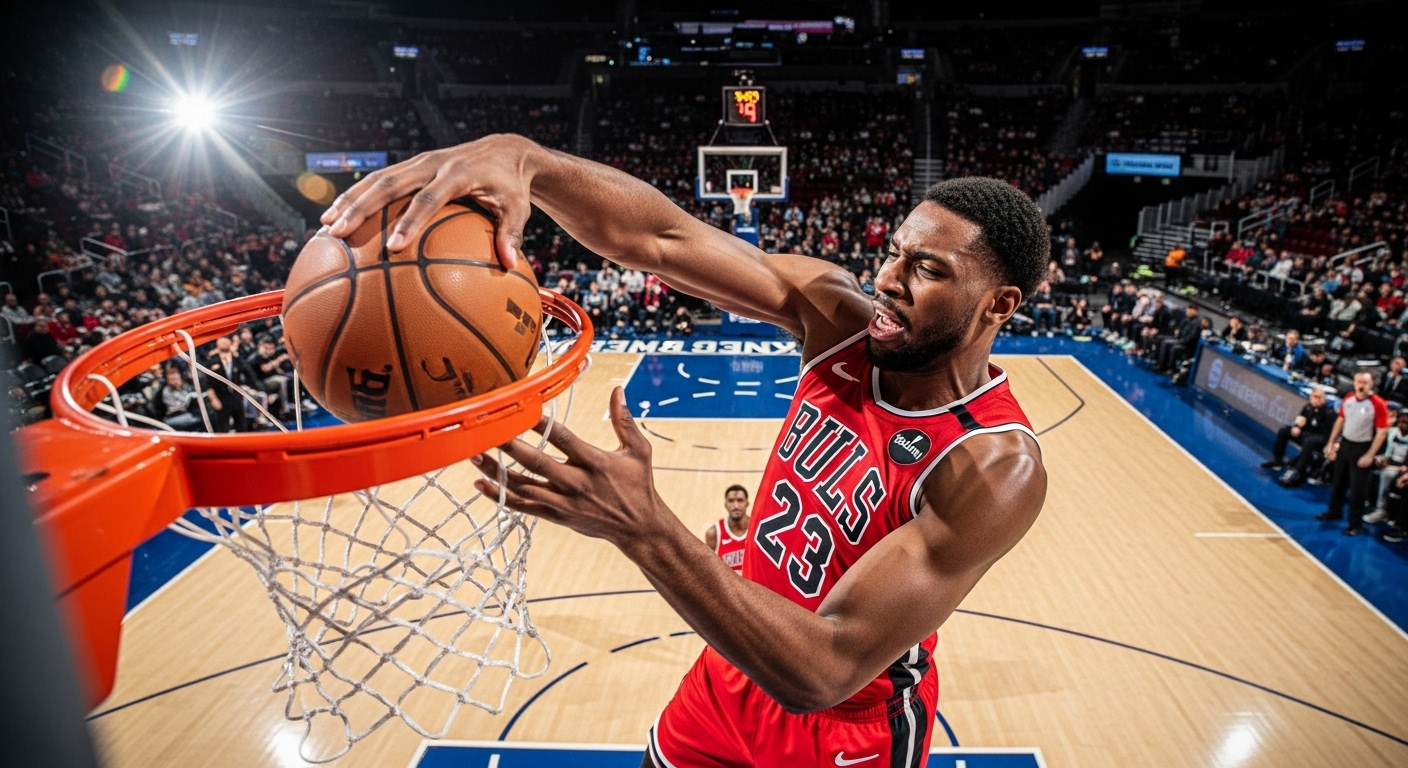







Sports are more than just physical activities; they are a universal language that unites people across the world, teaches valuable life lessons, and fosters personal and collective growth. From the excitement of a last-minute goal to the tension of a nail-biting finish, sports have a unique way of capturing our hearts, inspiring us to push our limits, and helping us understand ourselves better. Whether played professionally or for fun, sports have the power to shape character, influence health, and create lasting memories.
In this blog post, we will dive deep into the importance of sports, exploring how they impact individuals, communities, and societies. We will look at the physical, mental, and social benefits that sports offer, and discuss why they remain an essential part of our lives. From teamwork to personal discipline, sports have far-reaching effects on human development that go beyond the playing field.
The Global Language of Sports
One of the most remarkable aspects of sports is their ability to bring people together, regardless of their background, language, or nationality. Sports transcend borders, creating a shared experience that unites fans and athletes alike. Whether it’s a soccer match in Brazil, a cricket game in India, or an American football rivalry in the United States, sports have a unique ability to create a common ground for people from all walks of life.
At the international level, sporting events such as the FIFA World Cup, the Summer and Winter Olympics, and the Rugby World Cup are watched by millions, often transcending cultural and political divides. These events serve as celebrations of human achievement and a reminder of how sport can unify people from different countries, backgrounds, and belief systems.
On a local level, sports play an equally important role in building community. From neighborhood basketball courts to small-town football leagues, sports give people a reason to come together, whether as players or fans. This sense of belonging fosters a positive community spirit, where individuals can work toward a common goal and celebrate each other’s successes.
The Mental Benefits of Playing Sports
While the physical benefits of sports are well-known, the mental advantages are just as significant. Engaging in sports helps to reduce stress, improve mood, and enhance cognitive function. Physical activity stimulates the release of endorphins, often referred to as the “feel-good” hormones, which help reduce feelings of anxiety and depression. This is why many people turn to sports as a way to cope with stress and unwind after a long day.
In addition to the immediate mood-boosting effects, regular participation in sports can lead to long-term mental health benefits. Studies have shown that people who engage in physical activity on a regular basis are less likely to experience mental health issues such as anxiety, depression, and low self-esteem. Sports offer an outlet for emotional expression, allowing individuals to channel their energy and frustrations into something productive.
Sports also promote the development of important mental skills, such as focus, discipline, and resilience. Athletes learn to set goals, create strategies, and make quick decisions under pressure. These skills can be applied not only in sports but also in everyday life, helping individuals manage challenges, stay motivated, and think critically when faced with obstacles.
Building Physical Health Through Sports
Of course, one of the primary benefits of engaging in sports is the improvement of physical health. Whether it’s running, swimming, playing soccer, or cycling, sports provide an excellent way to stay fit and improve overall health. Regular physical activity is essential for maintaining a healthy body, as it strengthens the heart, increases muscle mass, and improves flexibility and coordination.
Sports also play a crucial role in preventing chronic diseases. Research has shown that people who participate in physical activities have a lower risk of developing conditions such as heart disease, diabetes, and certain types of cancer. Engaging in sports also helps to regulate weight, lower blood pressure, and reduce cholesterol levels, all of which contribute to long-term health and well-being.
For children and young adults, sports are an essential part of physical development. Participation in sports helps to build strong bones, muscles, and joints, and promotes proper growth and development. In addition, learning how to take care of one’s body—through proper nutrition, hydration, and rest—becomes ingrained during these formative years, setting the foundation for a healthy lifestyle in adulthood.
The Role of Teamwork and Leadership in Sports
One of the most valuable aspects of sports is the opportunity to work as part of a team. Whether it’s soccer, basketball, or volleyball, team sports require players to collaborate, communicate, and trust one another to achieve a common goal. This sense of teamwork fosters a supportive environment, where individuals can learn to rely on each other and contribute their unique skills to the collective effort.
Team sports also teach essential leadership skills. In many cases, athletes are called upon to lead by example, whether as team captains or by taking on a leadership role in critical moments of the game. Through sports, individuals develop the ability to motivate others, inspire confidence, and encourage their teammates to perform at their best.
Moreover, athletes learn how to handle both success and failure as part of a team. Winning as a team is a powerful experience, as it reinforces the idea that collective effort leads to shared rewards. Conversely, losing together teaches humility and resilience, reminding athletes that setbacks are a part of the journey and that perseverance is key to overcoming challenges.
Perseverance and Personal Growth Through Sports
Sports teach some of the most important lessons about life, particularly the value of perseverance. No athlete achieves success overnight. Whether in professional sports or amateur leagues, athletes must train consistently, face obstacles, and learn to improve over time. This process of working hard, pushing boundaries, and learning from mistakes is integral to personal growth.
Sports also foster a strong sense of discipline. Athletes follow strict training regimens, adhere to nutritional guidelines, and commit to maintaining their physical and mental health. This level of commitment requires focus, sacrifice, and the ability to prioritize long-term goals over short-term pleasures. These lessons extend beyond sports, influencing how individuals approach their careers, relationships, and personal challenges.
The ability to cope with failure is another important lesson that sports impart. Athletes often face disappointments, whether it’s losing a game, missing a crucial shot, or facing an injury. However, these setbacks teach resilience—the ability to bounce back, learn from mistakes, and keep going. In life, as in sports, failure is often a stepping stone to success, and it is through perseverance that athletes—and individuals in general—become stronger.
Sports as a Catalyst for Social Change
Throughout history, sports have played a significant role in promoting social change. Athletes have used their platforms to speak out against injustice, raise awareness about important issues, and inspire others to take action. Whether it’s advocating for civil rights, gender equality, or environmental sustainability, sports have been a powerful tool for social transformation.
One of the most iconic moments in sports history was the protest raised by African-American athletes Tommie Smith and John Carlos at the 1968 Olympics. Their raised fists on the podium became a symbol of the fight for racial equality and human rights. Similarly, Muhammad Ali used his position as a world-renowned boxer to speak out against the Vietnam War, refusing to be drafted on the grounds of his religious and moral beliefs.
More recently, athletes like Colin Kaepernick have used sports as a platform for activism, bringing attention to issues such as police brutality and racial inequality. These moments show that sports are not just a form of entertainment—they are also a powerful medium for raising awareness and initiating change in society.
The Role of Sports in Education and Youth Development
For young people, sports play a crucial role in personal development and education. In school settings, physical education programs introduce children to a wide range of sports, allowing them to discover their interests, develop teamwork skills, and learn about the importance of health and fitness. These experiences often have a lasting impact, with many students going on to participate in sports outside of school.
Sports can also serve as a vehicle for academic success. Research has shown that students who participate in sports tend to perform better in school, as they develop essential skills such as time management, discipline, and goal-setting. Furthermore, sports teach the importance of hard work and persistence—qualities that are valuable not only in the classroom but in every aspect of life.
For many young people, sports can provide an avenue for career advancement. Scholarships for talented athletes offer opportunities to attend college, pursue professional sports, or enter into related fields such as coaching, sports medicine, or sports journalism.
Conclusion: The Lasting Impact of Sports
Sports are not just about winning or losing—they are about the journey. They teach us the value of hard work, perseverance, and collaboration, while fostering a sense of community and connection. Whether it’s the physical benefits, the mental growth, or the social impact, sports offer something for everyone.
From shaping personal character to influencing global movements, sports remain an essential part of our culture, transcending borders and uniting people in ways that few other activities can. As long as we continue to participate in and support sports, we will keep reaping the countless benefits they offer, creating stronger individuals and more connected communities. Whether played for fun or on the world stage, sports will continue to inspire, motivate, and teach valuable lessons for generations to come.