





Introduction: Sports as a Universal Passion
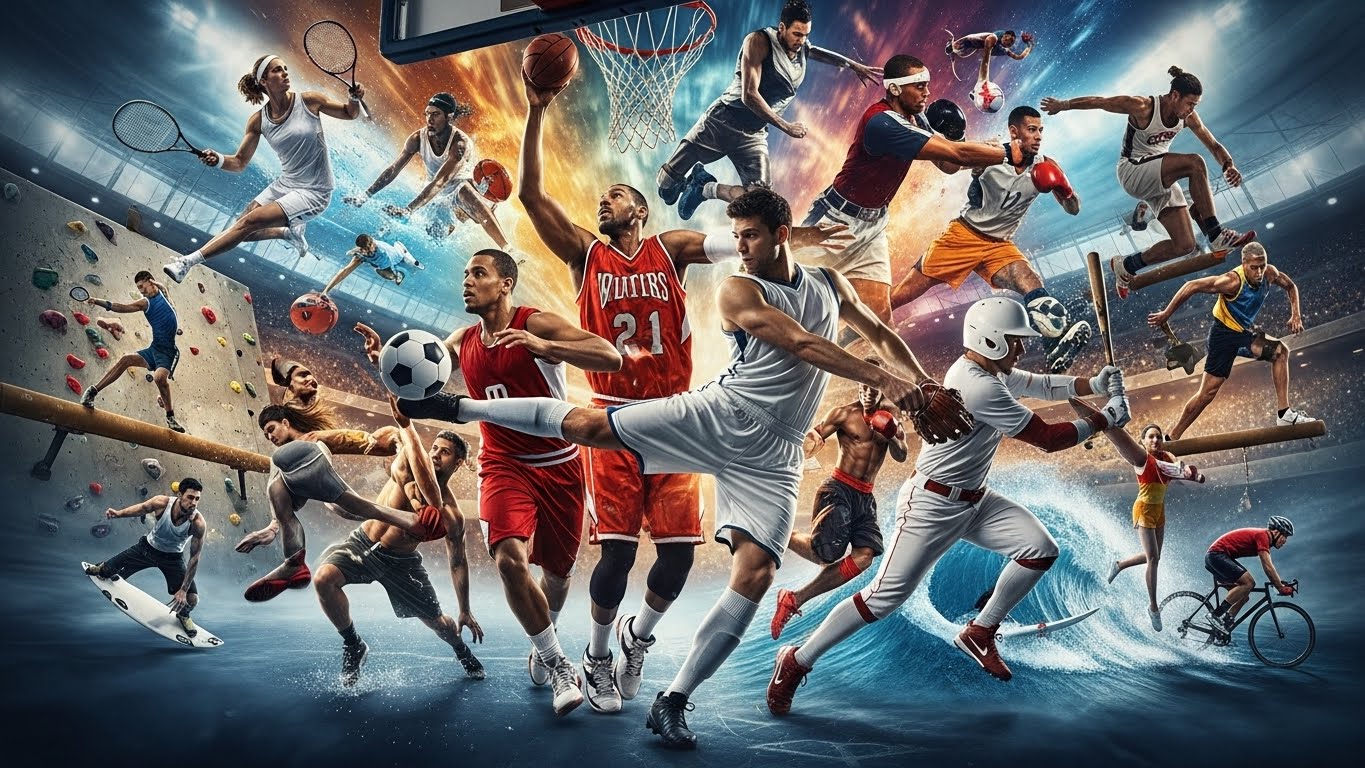
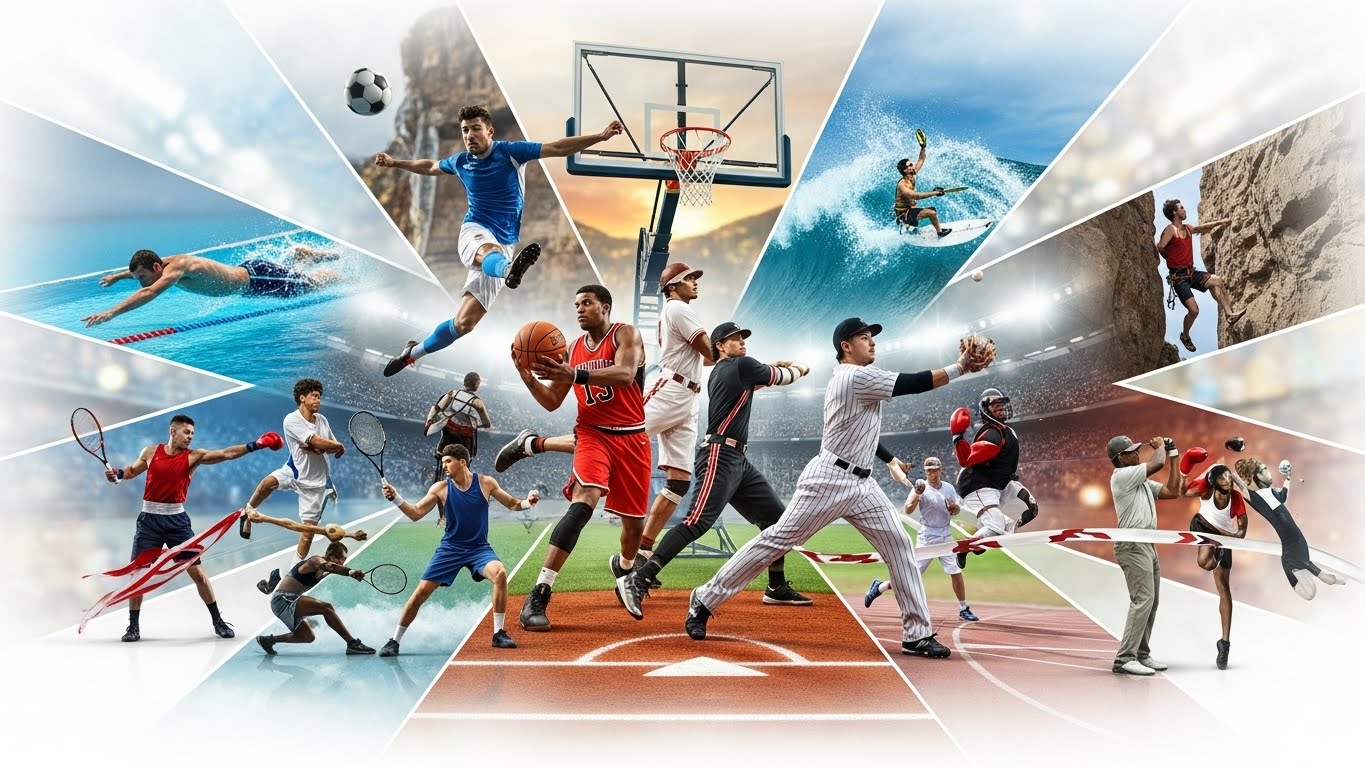
Sports are one of the most universal forms of human expression. They go beyond competition, serving as a source of entertainment, personal growth, social connection, and cultural identity. Whether it is a child playing soccer in a neighborhood park, a professional athlete competing in the Olympics, or fans cheering in packed stadiums, sports captivate people across the globe. The influence of sports extends far beyond the physical activity involved—it shapes values, builds communities, and inspires individuals to achieve excellence. This blog explores the evolution of sports, their impact on society, the physical and psychological benefits, and the ways they continue to shape modern culture.
The Evolution of Sports Through History
Sports have been an integral part of human civilization for thousands of years. Ancient societies developed organized games to entertain, train warriors, and celebrate cultural rituals. The Greeks institutionalized athletic competitions with the creation of the Olympic Games, emphasizing physical prowess, discipline, and honor. Over time, sports evolved from informal pastimes into structured competitions with standardized rules. The industrial revolution and modernization introduced spectator sports, leagues, and professional athletics. Today, sports encompass a wide range of activities, from traditional physical games to competitive esports, reflecting technological advancement and societal changes.
The Physical Benefits of Sports
Participating in sports provides numerous physical health benefits. Regular activity improves cardiovascular endurance, muscle strength, flexibility, and coordination. It helps maintain healthy body weight, reduces the risk of chronic diseases, and strengthens the immune system. Sports also improve posture, balance, and agility, contributing to overall physical well-being. Beyond the physical advantages, engaging in sports teaches the importance of discipline, routine, and perseverance, helping individuals cultivate habits that enhance long-term health and fitness.
Mental and Emotional Benefits of Sports
Sports contribute significantly to mental and emotional well-being. Physical activity releases endorphins, which help reduce stress, anxiety, and depression. Athletes develop mental resilience, focus, and the ability to manage pressure during competition. Participation in sports also fosters self-confidence and a sense of accomplishment. Beyond individual benefits, sports provide emotional satisfaction through social interaction, teamwork, and shared victories. Engaging in sports allows individuals to channel energy productively, cope with challenges, and maintain a balanced emotional state.
Sports as a Social Connector
One of the most powerful aspects of sports is their ability to connect people. They provide a platform for social interaction, friendship, and community building. Local leagues, clubs, and school teams offer opportunities for people to collaborate, compete, and develop interpersonal skills. Major sporting events, from regional tournaments to global championships, bring together fans and communities, creating shared experiences and collective identity. Sports can transcend cultural, social, and linguistic barriers, uniting people under a common passion and fostering inclusion and understanding.
The Role of Competition in Sports
Competition is central to the appeal of sports. It motivates athletes to strive for excellence, test their limits, and develop strategies for success. Competition teaches essential life skills such as patience, perseverance, humility, and adaptability. In team sports, it fosters collaboration, leadership, and effective communication. For spectators, competition provides excitement, emotional engagement, and a sense of connection to the game. Whether in professional arenas or casual settings, the competitive spirit inherent in sports drives performance, innovation, and personal growth.
Sports and Cultural Identity
Sports often reflect and shape cultural identity. National and regional teams become symbols of pride, unity, and heritage. Sporting events celebrate cultural traditions, rituals, and values, reinforcing a sense of belonging among participants and fans. Athletes often become role models, embodying ideals such as dedication, discipline, and perseverance. Sports also influence popular culture, including music, fashion, and media. By engaging with sports, communities preserve their cultural narratives and inspire younger generations to embrace values embedded in athletic participation.
Women in Sports: Breaking Barriers
The growing recognition of women in sports has transformed the industry and challenged traditional stereotypes. Female athletes excel in diverse disciplines, demonstrating skill, resilience, and leadership. Increased media coverage, investment in women’s leagues, and inclusion in major competitions have expanded opportunities for female participation. Women in sports serve as role models, inspiring social change and promoting gender equality. Their achievements highlight the importance of inclusivity and demonstrate that talent and dedication transcend gender.
The Economic Impact of Sports
Sports are a significant contributor to the global economy. Professional leagues, tournaments, and sporting events generate billions of dollars annually through ticket sales, merchandise, sponsorships, and broadcasting rights. Sports tourism stimulates local economies by attracting visitors to stadiums, arenas, and cities hosting events. Additionally, sports create employment opportunities in coaching, management, marketing, media, and event organization. The economic influence of sports extends beyond the playing field, fostering investment, innovation, and growth across industries.
Technology and Innovation in Sports
Technological advancements have revolutionized sports. Wearable devices track performance, monitor health, and optimize training routines. Video replay and officiating technologies ensure fairness and accuracy in competitions. Data analytics help teams and athletes refine strategies and improve performance. Virtual reality and augmented reality are beginning to create immersive experiences for both players and fans, transforming engagement and interaction. As technology continues to evolve, sports are becoming more dynamic, accessible, and captivating than ever before.
Sports in Education
Incorporating sports into education provides significant benefits for personal development and academic success. School and college sports programs teach discipline, time management, teamwork, and leadership skills. Participation in sports helps students develop social skills, resilience, and confidence. Scholarships and opportunities for professional advancement encourage the integration of athletic and academic pursuits. By nurturing talent through structured educational programs, sports help develop well-rounded individuals who excel in multiple dimensions of life.
The Psychological Aspects of Sports
Sports engage the mind as much as the body. Athletes learn focus, concentration, and mental toughness through practice and competition. Coping with pressure, setbacks, and high-stakes situations builds resilience and adaptability. For fans, watching sports evokes emotional highs and lows, creating empathy, excitement, and community bonding. The psychological engagement in sports contributes to mental sharpness, emotional intelligence, and social connection. It highlights how sports can enrich life beyond physical activity, influencing mindset and personal growth.
The Future of Sports
The future of sports promises continued innovation and growth. Emerging disciplines, esports, and virtual competitions are expanding the definition of sports and athleticism. Technological advancements, including AI, augmented reality, and performance analytics, will enhance player development and fan experiences. Globalization continues to introduce diverse sports to new audiences, fostering cultural exchange and collaboration. Sustainability and inclusivity will remain central priorities, ensuring that sports remain accessible, environmentally responsible, and socially impactful. The evolving landscape of sports guarantees exciting opportunities for athletes, fans, and communities alike.
Conclusion: The Enduring Impact of Sports
Sports are more than a form of recreation; they are a transformative force that shapes individuals, communities, and societies. They promote physical health, mental well-being, social cohesion, cultural identity, and economic growth. Participation in sports teaches discipline, teamwork, resilience, and leadership, while spectating fosters shared experiences and community pride. From grassroots initiatives to professional leagues and international tournaments, sports inspire, entertain, and connect people worldwide. In a fast-paced and ever-changing world, sports remain a timeless source of joy, motivation, and unity, reminding us of the power of play, competition, and human potential.