





Introduction: Sports as a Way of Life
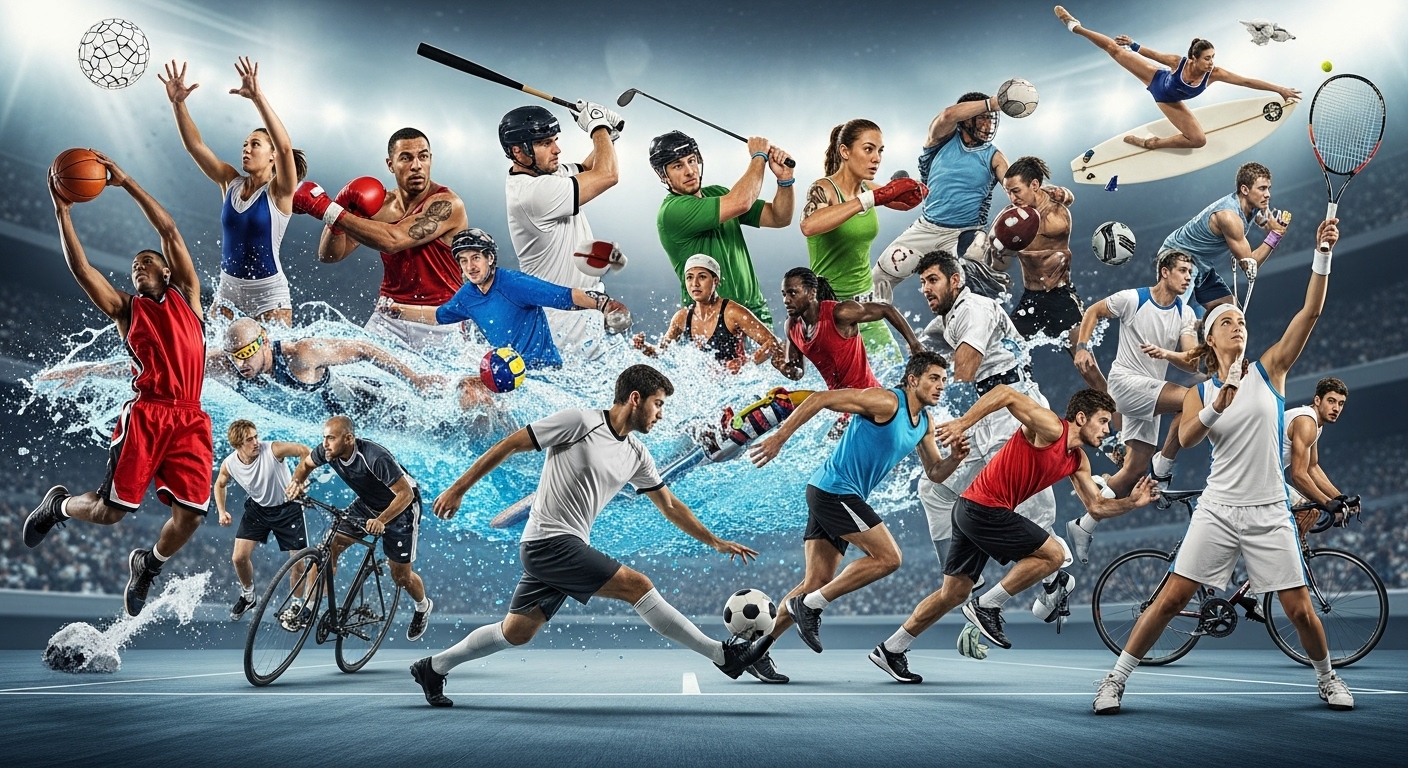
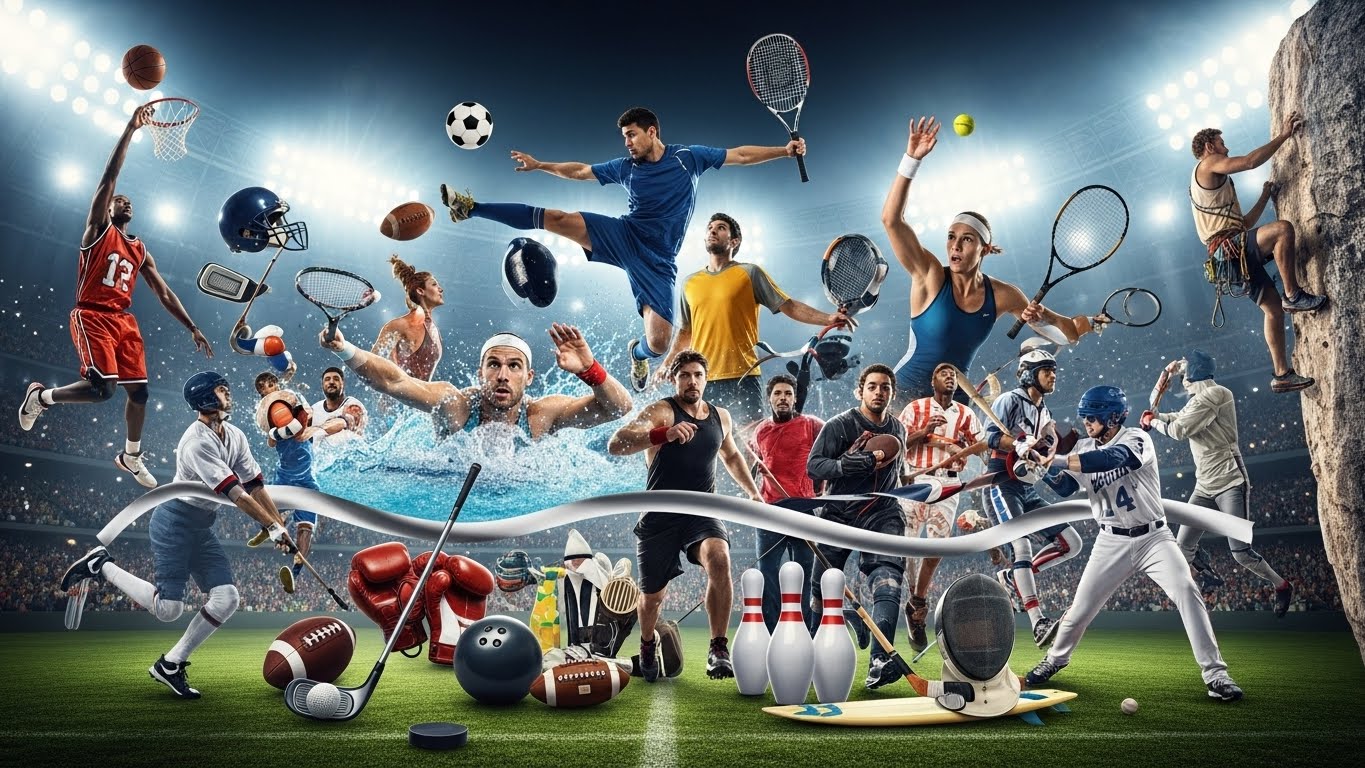
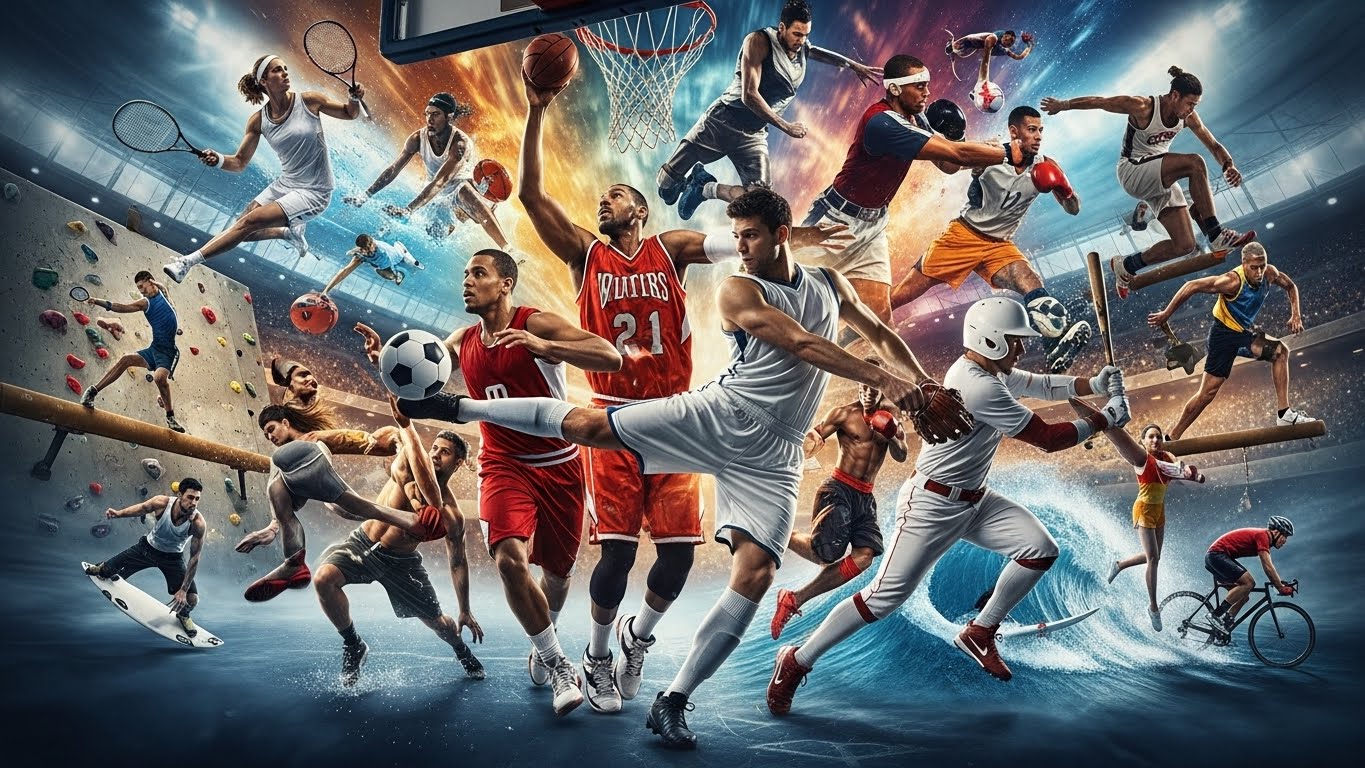
Sports are more than just games played on fields or courts; they are a reflection of human spirit, determination, and culture. From local playgrounds to global arenas, sports capture the essence of ambition, discipline, and teamwork. Whether it is a child learning to kick a ball for the first time or a professional athlete competing at the Olympics, sports shape lives in profound ways. They provide a platform for personal growth, build social bonds, and contribute to cultural identity. In every corner of the world, sports serve as a unifying force, bridging differences and inspiring millions.
The Mental Benefits of Sports
Engaging in sports has a remarkable impact on mental health. Physical activity stimulates the release of endorphins, chemicals in the brain that act as natural mood enhancers. Regular participation in sports can reduce stress, anxiety, and depression, while also improving focus, resilience, and self-confidence. For young athletes, learning to manage wins and losses develops emotional intelligence and patience. Mental toughness built through sports often extends beyond the playing field, helping individuals navigate challenges in academic, professional, and personal life. Even spectators experience psychological benefits through the thrill of watching competitive games, which can evoke feelings of joy, excitement, and belonging.
Sports as a Social Connector
Sports are an effective tool for building community and fostering social inclusion. Local sports clubs, leagues, and recreational activities bring people from different backgrounds together, promoting collaboration and mutual respect. In many societies, sports have played a pivotal role in challenging social inequalities, offering opportunities to marginalized groups. Women, differently-abled individuals, and economically disadvantaged communities find empowerment through sports participation. Major events such as the Olympics or World Cup demonstrate how sports can unite diverse populations, creating shared experiences and collective pride. The camaraderie developed on and off the field strengthens social bonds and nurtures a sense of belonging.
Physical Health and Longevity
Regular involvement in sports has undeniable benefits for physical health. Activities like running, swimming, cycling, and team sports improve cardiovascular fitness, build muscle strength, and enhance flexibility. Engaging in sports also helps in maintaining a healthy body weight and reducing the risk of chronic illnesses such as diabetes, heart disease, and obesity. Even for older adults, low-impact sports such as yoga, walking football, or swimming maintain mobility and overall quality of life. Beyond physical benefits, sports encourage the development of healthy lifestyle habits, instilling routines that promote long-term wellness and vitality.
The Historical Evolution of Sports
Sports have been an integral part of human civilization for centuries. Ancient cultures practiced games not only for recreation but also for survival, training, and spiritual purposes. Wrestling, archery, and footraces were often linked to combat readiness, while ceremonial games reflected cultural rituals and religious traditions. Over time, sports evolved into organized competitions with codified rules, professional leagues, and global tournaments. The modern era has introduced innovations such as advanced equipment, performance analytics, and professional coaching, transforming sports into both a profession and a spectacle. The historical journey of sports reveals their enduring significance and adaptability across generations.
Economic Significance of Sports
Sports have emerged as a significant contributor to the global economy. Professional leagues, endorsements, merchandising, and broadcasting rights generate substantial revenue worldwide. Hosting sporting events stimulates local economies by attracting tourism, creating employment, and promoting infrastructure development. Athletes themselves often become influential figures whose impact extends into business, fashion, and media industries. Sports-related enterprises, from gyms and equipment manufacturers to digital media platforms, also play a critical role in economic growth. This intersection of athletics and commerce highlights how sports influence society beyond the confines of the playing field.
Technology and Innovation in Sports
Technology has revolutionized both the practice and consumption of sports. Advanced training equipment, wearable devices, and biomechanical analysis help athletes maximize performance and reduce injuries. Video replay systems and instant feedback ensure accuracy and fairness in competitions. For spectators, digital platforms, live streaming, and virtual reality have transformed the experience of watching sports, making it more interactive and immersive. Emerging fields like esports illustrate how technology has created entirely new forms of athletic engagement, expanding the definition of sports in the 21st century. Innovation continues to make sports more accessible, inclusive, and dynamic for participants and audiences alike.
Sports and Education
Incorporating sports into education is essential for the development of well-rounded individuals. School and college sports programs teach critical skills such as teamwork, leadership, discipline, and time management. Students learn to set goals, overcome setbacks, and cultivate resilience, skills that benefit both academic and personal growth. Participation in sports also provides opportunities for scholarships and professional careers, allowing talented individuals to pursue athletic ambitions while continuing their education. Integrating sports in educational settings ensures that young people develop physically, mentally, and socially, preparing them for future challenges and opportunities.
Cultural Influence of Sports
Sports are deeply intertwined with cultural identity and national pride. Traditional games preserve history and heritage, while modern sports foster collective enthusiasm and celebration. Athletes often become cultural icons, embodying the values of perseverance, excellence, and sportsmanship. Football in South America, cricket in the Indian subcontinent, and rugby in New Zealand are not merely games but powerful symbols of national identity. Sporting events create shared rituals and memories, strengthening community ties and fostering respect for diverse cultures. Sports serve as a mirror of society, reflecting cultural norms and aspirations while inspiring global appreciation.
Sports as a Catalyst for Change
Throughout history, sports have been a platform for social and political movements. Athletes and events have spotlighted critical societal issues, challenged inequality, and promoted humanitarian causes. Iconic moments in sports history, such as breaking racial barriers and advocating for gender equality, demonstrate the transformative power of athletic platforms. Beyond symbolic impact, sports initiatives often address pressing concerns like public health, education, and environmental sustainability. Athletes leveraging their influence for social change exemplify how sports extend beyond recreation, inspiring communities to pursue justice, equity, and collective progress.
The Future of Sports
The future of sports is shaped by sustainability, inclusivity, and technological advancement. Environmentally conscious practices are increasingly integrated into stadium design, event management, and sports equipment. Adaptive sports continue to grow, providing opportunities for differently-abled individuals to participate and excel. Artificial intelligence, analytics, and digital innovations are reshaping training, performance evaluation, and fan engagement. As society evolves, sports remain a dynamic field that reflects human creativity, resilience, and collaboration. Their enduring relevance lies in their ability to inspire, connect, and transform individuals and communities across generations.
Conclusion: The Lasting Impact of Sports
Sports are more than games; they are a celebration of human potential, perseverance, and unity. They shape physical health, mental resilience, cultural identity, and social cohesion. Participation in sports teaches essential life skills while creating shared experiences that transcend boundaries. They inspire innovation, drive economic growth, and foster social change. In every challenge, victory, and defeat, sports embody the essence of human determination and collaboration. Embracing sports means embracing a journey of personal growth, community engagement, and the timeless thrill of achievement, making them a vital and transformative part of life.