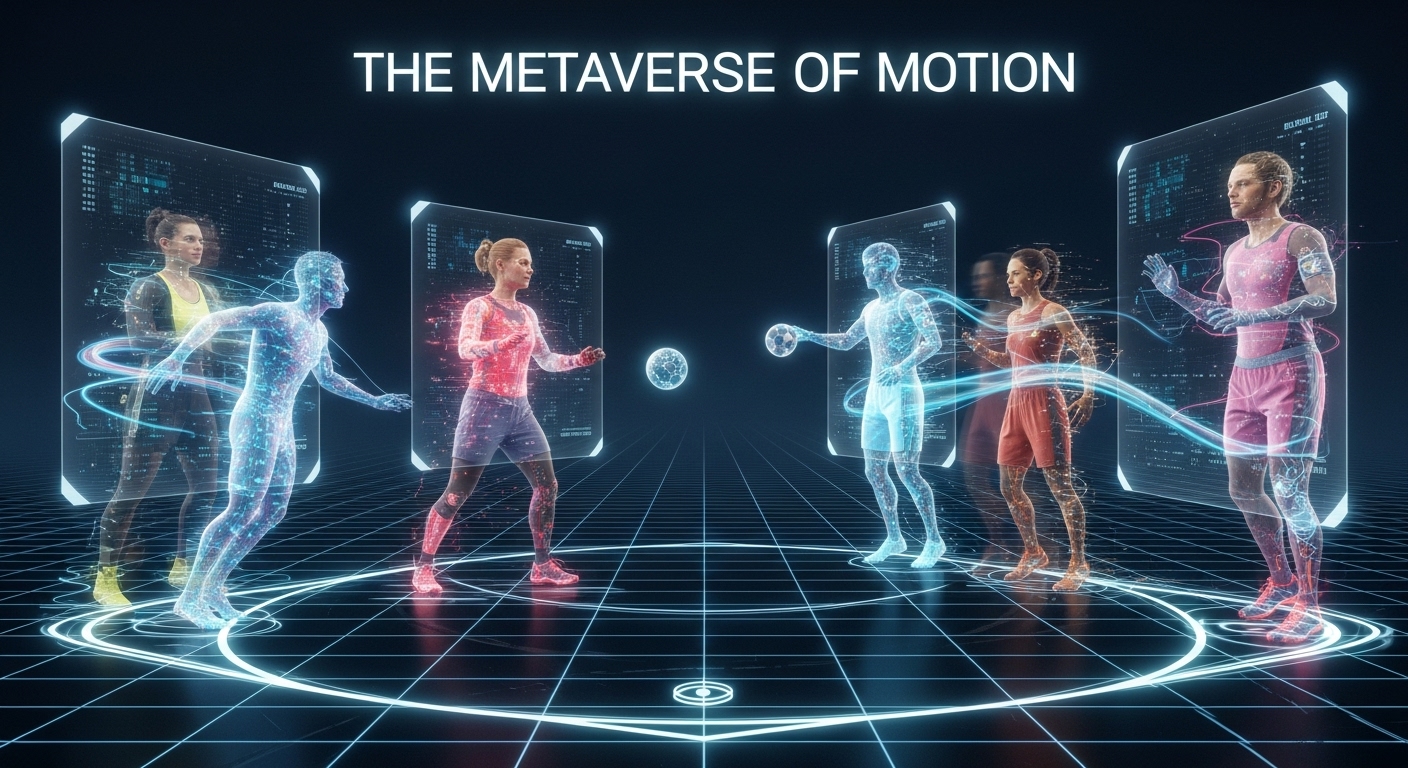







Sports have always held a special place in the hearts of people around the world. Whether it’s the roar of the crowd at a stadium, the intense focus of athletes competing on a field, or the excitement of watching a game from the comfort of your home, sports have a way of bringing people together, inspiring passion, and providing a sense of unity. Beyond entertainment, sports contribute to physical health, mental well-being, and even societal progress. In this blog post, we’ll explore the enduring appeal of sports, their impact on individuals and society, and the role of modern technology in transforming the way we experience and engage with sports.
The Universal Appeal of Sports
What is it about sports that make them so universally captivating? At their core, sports represent the essence of human competition—striving for excellence, testing physical and mental limits, and celebrating achievement. Whether it’s a local pickup game or a high-stakes international tournament, sports transcend cultural, geographic, and economic boundaries, uniting people from all walks of life through a shared love for the game.
The allure of sports can be attributed to several factors. For athletes, sports provide an avenue for personal growth and achievement. The challenges faced on the field or court—be it training, competition, or overcoming personal limitations—serve as opportunities for self-improvement. For fans, the excitement of watching athletes perform at the highest level is both thrilling and inspiring. The stories of perseverance, triumph, and defeat create a connection that goes beyond the game itself, often turning players into idols and teams into family.
Additionally, sports foster a sense of belonging. Whether you’re rooting for your national team in the Olympics or supporting your local soccer club, sports create communities. Fans develop identities based on their teams and the success or failure of their favorite athletes. This sense of loyalty and camaraderie is one of the fundamental reasons why sports have such a powerful emotional pull on people across the globe.
The Role of Sports in Society
Sports have always been more than just a form of entertainment; they play a crucial role in shaping society, influencing cultural norms, and fostering social change. The impact of sports extends far beyond the boundaries of stadiums and playing fields, affecting politics, economics, and even social justice movements.
Promoting Physical Health
One of the most obvious benefits of sports is their contribution to physical health. From grassroots participation in youth sports to elite professional athletes, physical activity is essential for maintaining fitness, improving cardiovascular health, and building strength and endurance. Regular engagement in sports promotes an active lifestyle, reduces the risk of chronic diseases, and contributes to overall well-being.
In addition, sports teach valuable life skills such as discipline, perseverance, and teamwork. Athletes often push themselves to their physical and mental limits in pursuit of excellence, developing resilience in the process. These attributes extend beyond the playing field and can help individuals in their personal and professional lives. Moreover, sports provide an outlet for stress relief and a way to foster positive mental health. Whether it’s through the competitive nature of the sport or the social aspects of participating in a team, sports offer an opportunity to escape from everyday worries and connect with others.
Fostering Social Change
Sports have long been a platform for social and political movements. Athletes and teams have used their visibility to speak out against injustice and inequality, advocating for change both within the sports world and in society at large. The most famous example of this is the Black Power salute at the 1968 Olympics, where American sprinters Tommie Smith and John Carlos raised their fists in protest against racial segregation and inequality.
In recent years, movements like Black Lives Matter have found strong support from athletes in various sports. LeBron James, Colin Kaepernick, and Serena Williams are just a few of the many athletes who have used their platforms to speak out on issues ranging from police brutality to gender equality. Their actions demonstrate the power of sports in not only entertaining but also challenging societal norms and influencing public discourse.
Building Bridges Between Cultures
Sports also have the power to bridge cultural divides. International competitions like the FIFA World Cup, the Olympics, and the Rugby World Cup bring together athletes from all over the world, showcasing the diversity of talent and tradition across nations. These events provide opportunities for cross-cultural exchange, allowing fans and athletes alike to celebrate their differences while recognizing the shared passion for the game.
The global nature of sports fosters understanding and solidarity between nations. Through friendly competition, sports break down language barriers and offer a shared space where cultural pride can be expressed in a peaceful and respectful manner. In many ways, the universality of sports reflects the common humanity that connects us all, regardless of background, race, or nationality.
The Economic Impact of Sports
The sports industry is not only a source of entertainment but also a major economic engine. From local leagues to global events, sports generate billions of dollars in revenue through broadcasting rights, sponsorship deals, ticket sales, merchandise, and more. The economic footprint of sports extends far beyond the athletes themselves, creating jobs in areas such as marketing, media, event management, and hospitality.
Large-scale events like the Super Bowl, the Olympics, and the World Cup provide a significant boost to local economies by attracting tourists, creating temporary jobs, and generating substantial media coverage. These events are watched by millions (if not billions) of people around the world, contributing to global commerce and promoting cultural exchange.
In addition to professional sports, the grassroots and youth sports industries also contribute to the economy. Local sports clubs, recreational leagues, and youth programs help to foster community engagement, promote physical activity, and contribute to local economies by attracting participants and spectators. Sports tourism, where fans travel to attend events, further boosts the financial impact of the industry, particularly in regions known for hosting major sporting events.
The Digital Revolution in Sports
Technology has had a transformative impact on sports, both in terms of how the games are played and how they are consumed. The rise of digital platforms has revolutionized sports broadcasting, giving fans more access to their favorite teams and athletes than ever before.
Enhanced Viewing Experiences
The evolution of digital technology has enhanced the way we watch sports. High-definition broadcasts, 4K resolution, and immersive virtual reality (VR) have elevated the viewing experience, making it possible to watch games from anywhere in the world, often in real-time. Advances in sports analytics and data-driven insights have also enriched the fan experience, allowing viewers to track player performance, game statistics, and more with unprecedented precision.
Live streaming platforms such as YouTube, Facebook Live, and Twitch have brought a new level of accessibility to sports fans. Fans can now watch games, highlights, and even behind-the-scenes content on their phones, tablets, or computers. This democratization of sports content has allowed for a broader, more engaged audience, breaking down the barriers of traditional broadcast TV.
Fantasy Sports and Esports
Another major development in the world of sports has been the rise of fantasy sports and esports. Fantasy sports, where fans create their own teams based on real-life athletes and compete based on their performance, has grown into a multi-billion-dollar industry. Platforms like ESPN, FanDuel, and DraftKings have made fantasy sports more popular than ever, offering both casual fans and serious enthusiasts a chance to engage more deeply with the sports they love.
Esports, the world of competitive video gaming, has seen explosive growth in recent years. With millions of fans tuning in to watch professional gamers compete in games like League of Legends, Dota 2, and Fortnite, esports has become a legitimate form of competition. Major tournaments now offer multi-million-dollar prize pools and attract sponsorship deals similar to traditional sports leagues. Esports has introduced a new generation to competitive gaming, merging the world of sports and digital entertainment.
The Future of Sports
The future of sports looks promising, with technology continuing to reshape the way we play, watch, and experience games. Virtual reality and augmented reality are expected to become more integrated into both training and viewing, allowing athletes to simulate environments and fans to experience events in entirely new ways. Sports analytics will continue to evolve, providing coaches and athletes with more precise data to make informed decisions.
Additionally, the role of social media will continue to grow in importance. Platforms like Twitter, Instagram, and TikTok allow athletes and teams to connect with fans in real-time, fostering a more personal relationship with their audiences. Fans can engage directly with players, follow their journeys, and even shape the discourse around sports and social issues.
On the field, we may see further advances in technology aimed at enhancing athlete performance, reducing injuries, and making the playing experience safer. Wearable technology, advanced biometrics, and AI-driven insights will provide teams with better data to optimize training and performance.
Conclusion
Sports have always been a powerful force in society, providing entertainment, inspiration, and a sense of community to millions around the world. They transcend cultural and geographic boundaries, bringing people together through the shared love of competition. Whether it’s on the local level or the global stage, sports offer not just physical challenges but opportunities for social change, economic development, and technological innovation.
As technology continues to evolve and the world becomes more interconnected, sports will undoubtedly continue to be a source of excitement, unity, and inspiration. Whether you’re a player, a fan, or a spectator, the world of sports will remain a vital and dynamic part of the human experience, shaping our culture and society for generations to come.