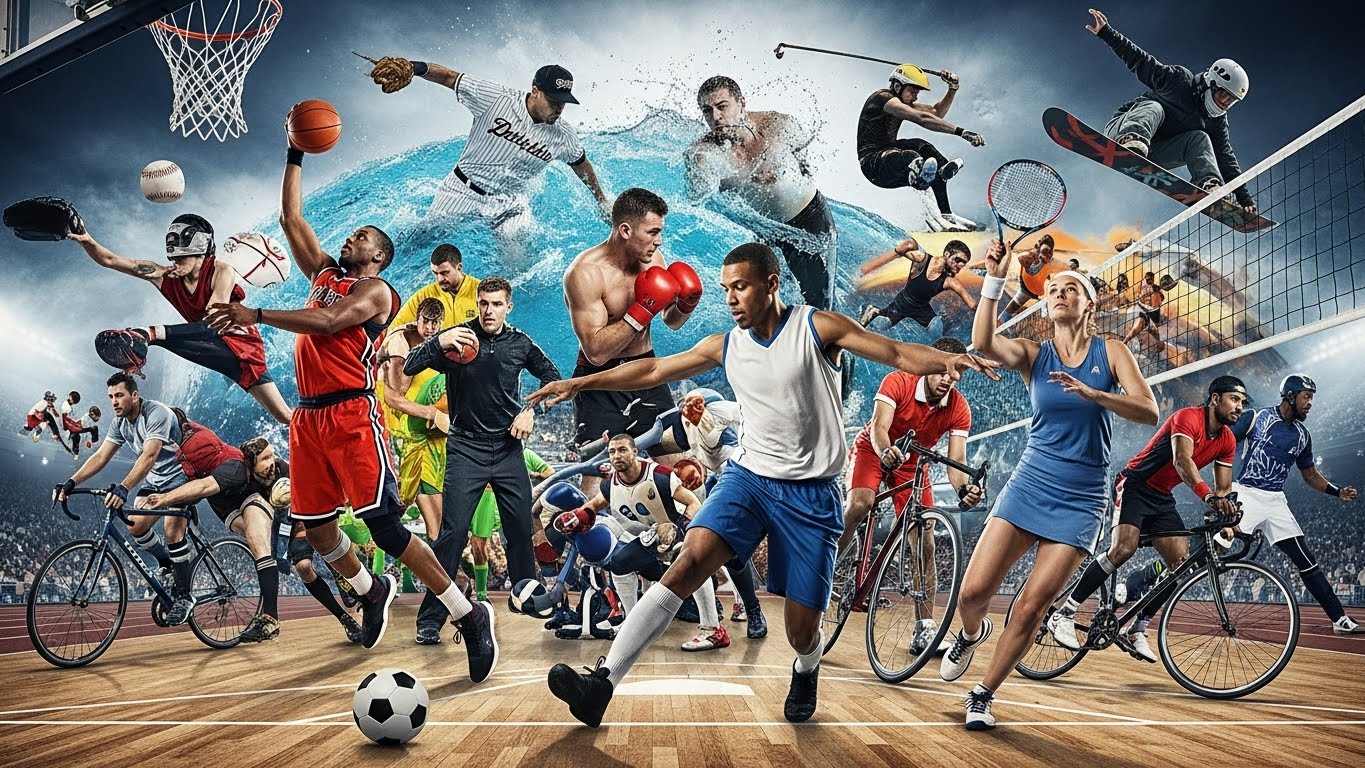







Sports have long been a universal language that transcends borders, cultures, and generations. Whether you’re watching a high-stakes match or casually playing with friends, sports bring a sense of unity and excitement unlike anything else. But beneath the surface of competition, victory, and defeat, there lies a deeper, almost magical essence to sports—one that connects people on a level that goes far beyond physical skill. In this blog, we’ll explore why sports are so much more than just a game and how they influence our lives in unexpected ways.
The Heartbeat of a Community
When a local team takes to the field, it’s more than just a game for those watching from the stands or cheering from home. It becomes an event that unites a community. In many parts of the world, sports are the heartbeat of local culture. Whether it’s a small-town high school football game or a world-class soccer tournament, people gather, root for their teams, and celebrate together, forging bonds that go beyond their differences.
This sense of unity and shared experience fosters pride, loyalty, and an unmatched sense of belonging. The roar of the crowd, the chants, and the shared anticipation are all part of a collective heartbeat that connects everyone, whether they win or lose. In this way, sports become more than just an athletic pursuit; they become a social glue that strengthens the fabric of communities.
The Underrated Role of Sportsmanship
In today’s world, where success often means outshining others, sportsmanship can sometimes feel like an afterthought. However, sports teach us some of the most valuable lessons about humility, respect, and grace under pressure. The moment when a team, despite losing, acknowledges their opponents’ skill and effort is a testament to the beauty of true sportsmanship.
In the heat of competition, it’s easy to forget that sports aren’t just about winning; they’re also about playing fairly, respecting the rules, and accepting both victories and losses with dignity. Good sportsmanship builds character and teaches the importance of integrity, qualities that are essential both on and off the field.
Physical Health and Mental Strength
The benefits of sports are often discussed in terms of physical fitness, but the mental and emotional benefits are just as significant. Regular participation in physical activity helps reduce the risk of chronic diseases like heart disease and diabetes. However, sports also have the power to improve mental health, offering stress relief, increased confidence, and a sense of achievement.
Engaging in sports can teach resilience—pushing through fatigue, overcoming setbacks, and handling pressure. Whether you’re training for a marathon or playing a quick game of basketball, the mental toughness developed through sport can translate into everyday life, making you more resilient in the face of challenges and setbacks.
The Power of Competition
Competition is often viewed as a driving force for success, but its true power lies in how it shapes personal growth. It teaches us how to strive for excellence, how to handle both success and failure, and how to measure progress. More importantly, competition fosters a deep sense of self-discipline and work ethic, as athletes dedicate themselves to improving and refining their skills.
However, the lessons learned through competition aren’t limited to the playing field. They extend into all aspects of life, including our careers, relationships, and personal goals. The ability to push yourself, challenge your limits, and persevere through difficult times is something sports teach us best.
Inspiration from the Greats
Iconic athletes have an undeniable influence on society. Their achievements, determination, and stories often become sources of inspiration for millions. Figures like Serena Williams, Michael Jordan, Usain Bolt, and Lionel Messi have shown us what it means to reach for greatness and push the boundaries of human potential. These athletes have proven that talent alone isn’t enough; it’s the years of dedication, sacrifice, and resilience that separate the greats from the rest.
Their journeys remind us that anyone, regardless of their background or circumstances, can rise to the top with hard work and perseverance. In this sense, sports aren’t just about who is the best in the world—they are about the triumph of the human spirit.
The Global Connection
In an increasingly connected world, sports are one of the few things that can bring people from completely different walks of life together. A soccer match between two rival teams in Europe or a cricket game in India can unite people across the globe, despite cultural differences, language barriers, or political divides. It’s a universal bond that people share, whether they’re sitting in front of a TV screen, in the stadium, or even in their living rooms.
International tournaments like the Olympics or the FIFA World Cup are more than just competitions—they are celebrations of global unity, showcasing the diversity of cultures and talents. For a few days or weeks, people around the world can forget their differences and come together to cheer for the same goal: sporting excellence.
Conclusion: More Than Just a Game
Sports are often seen as a form of entertainment or competition, but their impact stretches far beyond the field or arena. They bring people together, teach valuable life skills, inspire greatness, and help us grow both physically and mentally. At their core, sports are a celebration of the human spirit—of our desire to challenge ourselves, connect with others, and reach for something greater.
The magic of sports lies not only in the final score but in the journey, the shared experiences, and the lessons learned along the way. So the next time you watch a game or pick up a ball, remember: it’s about so much more than just winning. It’s about the connections you make, the lessons you learn, and the memories you create.