






Introduction
Sports have been a cornerstone of human civilization for thousands of years. They are not merely games played for entertainment; they reflect culture, foster social connections, teach life skills, and promote physical and mental well-being. From ancient athletic competitions to modern professional leagues, sports play a multifaceted role in society. They inspire teamwork, discipline, perseverance, and resilience, influencing individuals and communities alike. In this blog, we will explore the evolution of sports, their benefits, societal impact, challenges, and future potential.
The Evolution of Sports
The history of sports traces back to ancient civilizations. Early humans developed games as a way to build survival skills, practice coordination, or honor religious and cultural traditions. The ancient Olympic Games in Greece are among the most famous examples, emphasizing physical excellence, fair competition, and honor. Similarly, other civilizations developed their own forms of sport, such as wrestling in Mesopotamia, archery in Asia, and ball games in Mesoamerica.
Over centuries, sports evolved from informal recreational activities to organized competitions with codified rules, teams, and governing bodies. The Industrial Revolution played a significant role in making sports accessible to the masses, while advancements in transportation and communication enabled national and international tournaments. Today, sports have transformed into global industries, with professional leagues, international championships, and massive fan followings spanning continents.
Physical Benefits of Sports
The most apparent benefits of sports are physical. Regular participation in sports improves cardiovascular health, strengthens muscles and bones, enhances flexibility, and boosts coordination and balance. Engaging in sports also helps maintain a healthy weight, reduces the risk of chronic diseases such as diabetes and hypertension, and promotes overall physical fitness.
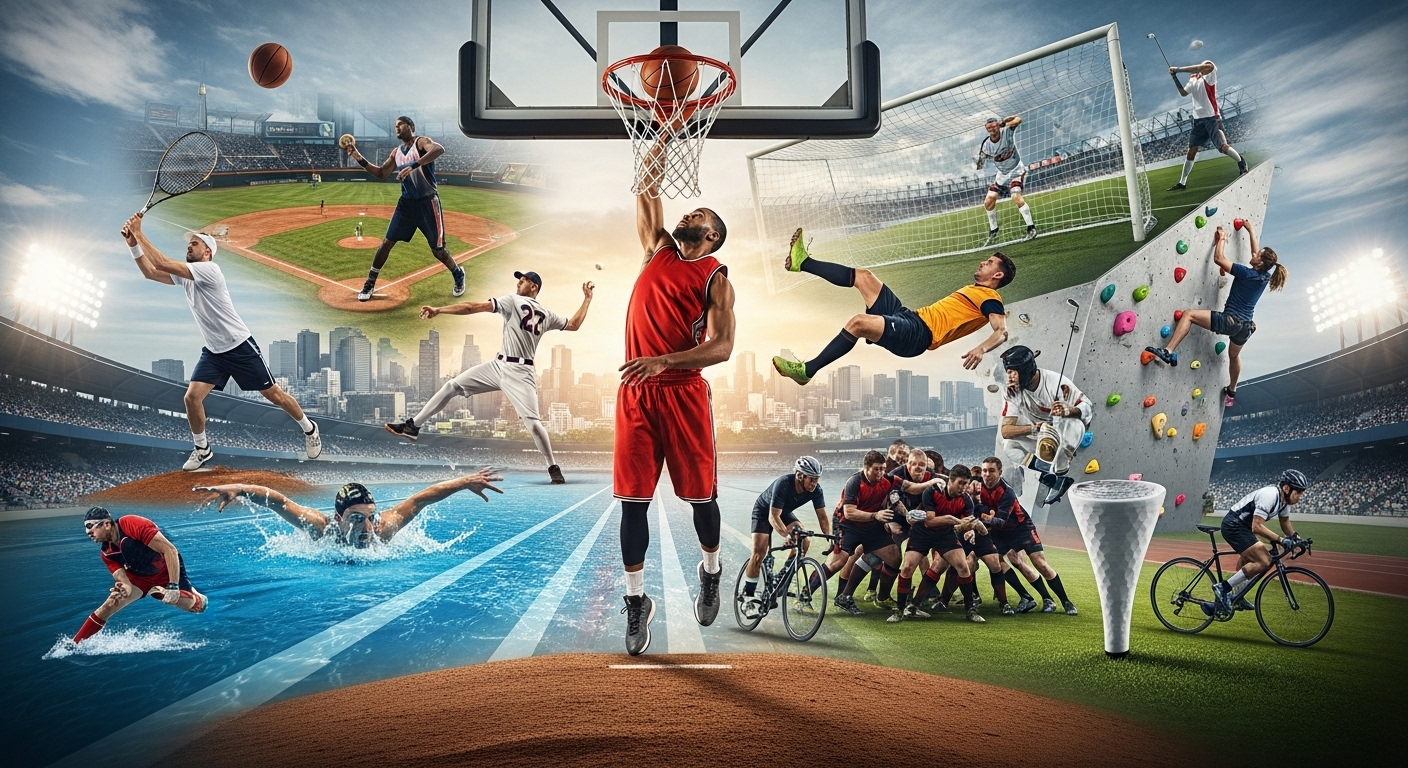
Different types of sports target different physical abilities. Team sports like soccer, basketball, and rugby develop endurance, agility, and strategic movement, while individual sports such as swimming, running, and gymnastics focus on stamina, precision, and personal discipline. For children and adolescents, early participation in sports sets the foundation for lifelong fitness and instills habits that encourage active living throughout adulthood.
Mental and Emotional Benefits of Sports
Sports are equally powerful for mental and emotional well-being. Physical activity triggers the release of endorphins, natural chemicals in the brain that promote happiness and reduce stress. Participation in sports has been shown to alleviate anxiety, combat depression, and improve overall mood.
Team sports, in particular, foster social interaction and a sense of belonging, which are vital for mental resilience. They teach athletes to handle pressure, maintain focus, and develop problem-solving skills. Sports also cultivate qualities such as patience, perseverance, and discipline, helping individuals cope with challenges and setbacks in life. The lessons learned on the field often translate into personal and professional success, reinforcing the connection between athletics and mental strength.
Sports as a Social Connector
One of the most remarkable aspects of sports is their ability to unite people. Sports transcend language, culture, and geography, bringing communities and nations together. Global events such as the Olympic Games, FIFA World Cup, and international cricket tournaments foster national pride and a sense of shared identity.
Locally, sports leagues and community activities create spaces for social interaction, volunteerism, and mentorship. They strengthen community bonds and provide youth with constructive activities, reducing the likelihood of engaging in negative behaviors. Additionally, sports often serve as a platform for advocacy and social change, as athletes and teams use their visibility to raise awareness about social issues, promote inclusivity, and support humanitarian causes.
Economic Impact of Sports
Sports are not only culturally significant but also economically influential. Professional leagues, sponsorship deals, broadcasting rights, and merchandise sales generate billions of dollars annually. Major sporting events boost tourism, create jobs, and stimulate infrastructure development, benefiting host cities and countries.
Beyond elite sports, local gyms, academies, and sports facilities contribute to economic growth by providing employment opportunities and supporting ancillary industries such as apparel, equipment manufacturing, and nutrition. The sports economy also drives entrepreneurship, with businesses ranging from fitness technology startups to sports marketing agencies. Overall, sports are a vital sector that combines passion, entertainment, and financial growth.
Youth Development Through Sports
Youth participation in sports is critical for personal and social development. Children and adolescents who engage in sports learn essential life skills, including teamwork, leadership, time management, and resilience. Sports instill values such as fair play, discipline, and goal-setting, which benefit young people beyond the field.
Structured sports programs provide safe and positive environments, helping youth develop physically, mentally, and socially. Schools, clubs, and community organizations play a crucial role in nurturing talent, promoting fitness, and providing pathways for professional careers or scholarships. By encouraging participation from a young age, sports lay the foundation for lifelong health, personal growth, and social responsibility.
Technological Advancements in Sports
Technology has transformed sports in training, performance, and fan engagement. Wearable devices monitor athletes’ heart rates, movement, and energy expenditure, providing real-time feedback to optimize performance and prevent injuries. Video replay systems and goal-line technologies enhance fairness and accuracy in officiating. Advanced analytics allow teams to strategize effectively, using data to refine tactics, improve fitness, and enhance overall competitiveness.
Fans also benefit from technological innovation. Virtual and augmented reality experiences bring spectators closer to the action, offering immersive ways to engage with sports events. Social media platforms allow fans to interact with athletes, follow live updates, and access behind-the-scenes content, increasing engagement and loyalty. Technology is reshaping the sports landscape, creating more dynamic experiences for both participants and viewers.
Gender Equality in Sports
Historically, sports have been male-dominated, but significant progress has been made toward gender equality. Women’s participation in athletics has increased dramatically, with female athletes achieving recognition in professional leagues, international tournaments, and global championships. Policies promoting equal pay, representation, and access to facilities have strengthened opportunities for women in sports.
Encouraging girls and women to engage in sports has multiple benefits. It promotes physical health, builds confidence, and empowers participants socially and economically. Inclusive sporting environments ensure that success is determined by talent, skill, and dedication rather than gender, making sports a powerful vehicle for equality and empowerment.
Sports and Global Diplomacy
Sports have a unique role in global diplomacy. International competitions foster cultural exchange, mutual respect, and collaboration. Countries use sporting events to improve diplomatic relations, showcase national achievements, and promote peace and goodwill.
Athletes often serve as ambassadors, representing their nations and inspiring global audiences through performance, sportsmanship, and advocacy. Sports diplomacy demonstrates that athletics can build bridges, foster international understanding, and contribute to global cooperation in ways that transcend politics and language.
Challenges Facing Modern Sports
Despite the numerous benefits, modern sports face several challenges. The commercialization of athletics sometimes undermines fairness, leading to issues such as doping, match-fixing, and corruption. The intense pressure on professional athletes can result in injuries, mental health struggles, and burnout.
Access to sports remains unequal in many parts of the world due to economic, cultural, or social barriers. Bridging this gap requires investment in infrastructure, training programs, and policies that make sports inclusive for all. Ethical governance, safety standards, and mental health support are crucial to sustaining the integrity and positive impact of sports.
The Future of Sports
The future of sports promises innovation, inclusivity, and sustainability. Emerging technologies such as artificial intelligence, virtual reality, and wearable devices will enhance training, performance analysis, and fan experiences. Esports and hybrid sporting events are expanding the definition of athletic participation, attracting younger generations and global audiences.
Sustainability will become increasingly central to sports, with eco-friendly stadiums, responsible event management, and green technologies reducing environmental impact. Inclusivity initiatives will ensure participation across genders, abilities, and socio-economic backgrounds. As society evolves, sports will continue to inspire, unite, and empower individuals worldwide.
Conclusion
Sports are far more than games—they are a reflection of human determination, culture, and community. They improve physical and mental health, foster social connections, drive economic growth, and inspire generations to strive for excellence. From local playgrounds to international stadiums, sports shape character, values, and society itself.
As we look to the future, sports will continue to evolve, embracing technology, inclusivity, and sustainability while remaining a universal language that unites people across cultures and generations. Through participation, observation, and support, sports empower individuals, strengthen communities, and celebrate the enduring human spirit.