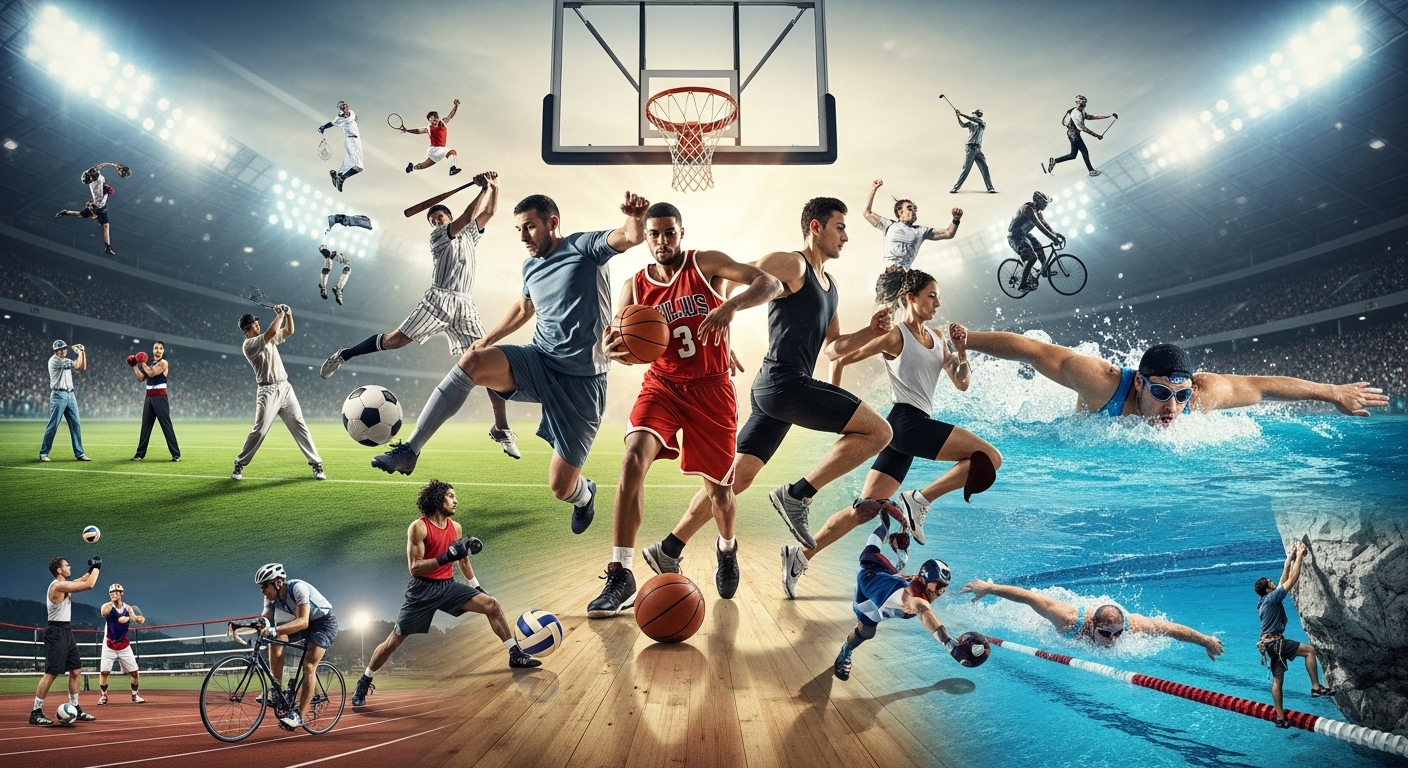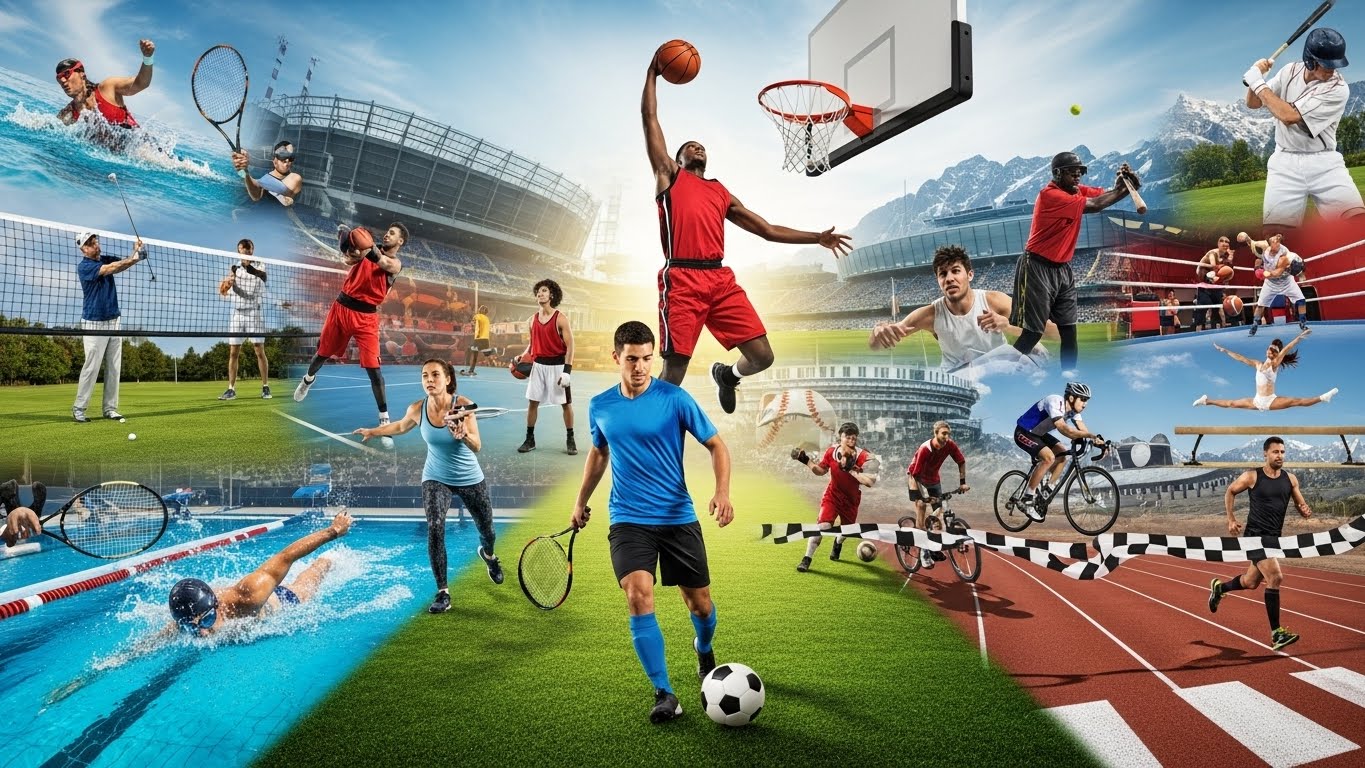







Sports have always been a profound part of human culture, transcending boundaries of geography, language, and even age. From the vibrant football matches in Brazil to the quiet, focused cricket games in India, sports offer more than just entertainment—they are a way of life for millions of people around the world. Whether it’s the exhilarating rush of competition, the spirit of camaraderie, or the endless pursuit of excellence, sports have the power to bring out the best in humanity. In this blog post, we will explore the deep impact of sports on societies, the psychology of athletes, the evolution of various sports, and how sports play an essential role in building character and community.
The Universal Appeal of Sports
One of the most fascinating aspects of sports is its universal appeal. No matter where you are on the globe, whether it’s a small village in Africa or a bustling metropolis in Europe, sports have the ability to unite people in ways that nothing else can. It is a shared experience, an unspoken language that connects diverse cultures. Football in Europe, cricket in India, basketball in the United States, and rugby in New Zealand—these are all examples of how sports reflect the identity and spirit of different regions.
At its core, sports bring people together, regardless of their cultural or social backgrounds. It fosters a sense of belonging and community. During major international tournaments like the FIFA World Cup, the Olympics, or the Rugby World Cup, people come together as fans of their respective teams or athletes, cheering, celebrating, and mourning as one. Sports can turn even the most diverse cities into a melting pot of emotions, uniting people with a common cause.
Sports as a Channel for Physical and Mental Health
Beyond the social aspect, sports also play a critical role in promoting physical and mental health. Regular participation in physical activities, whether it’s a casual jog or an intense workout session, has been shown to improve cardiovascular health, boost the immune system, and promote longevity. The benefits of physical activity go beyond just improving fitness levels; they also contribute to an overall sense of well-being.
In addition to physical health, sports have been widely recognized for their positive effects on mental health. The discipline required in training, the perseverance in competition, and the focus needed in a game all contribute to the development of mental toughness. Athletes often experience a sense of achievement, which boosts their self-esteem and promotes a positive outlook on life. Moreover, the camaraderie of being part of a team provides emotional support and helps combat feelings of loneliness and depression.
Many athletes have also used sports as a coping mechanism for mental health struggles. Iconic figures like Michael Phelps and Serena Williams have been outspoken about the importance of mental health, shedding light on how sports can help manage stress, anxiety, and depression. The mental resilience gained from pushing one’s body to the limit can often translate into life skills, such as handling failure, setting goals, and developing patience.
The Evolution of Sports
Sports have undergone a massive transformation over the years. The ancient Olympic Games, first held in 776 BCE, are perhaps one of the earliest examples of organized sports. Initially, these events were primarily religious in nature, dedicated to the gods of Greek mythology. As societies evolved, so did the nature of sports. The medieval era introduced the concept of jousting and archery tournaments, which were both a test of skill and a form of entertainment for the nobility.
In modern times, sports have become professionalized. Athletes are now revered as superstars, often earning millions in endorsements and contracts. The commercialization of sports has been both a blessing and a curse, as it has allowed the industry to grow but has also led to criticisms of money overshadowing the true spirit of sportsmanship. While athletes continue to push the limits of human performance, there is increasing concern over the pressure to succeed, which sometimes leads to unhealthy practices, such as doping or overtraining.
Today, sports have also expanded beyond traditional competitions. The rise of eSports, for instance, has brought a whole new dimension to the idea of competitive gaming. Games like Fortnite, Dota 2, and League of Legends have made their way into the global sports arena, attracting millions of viewers and participants. eSports has proven that sports do not always need to be physical in nature; strategic thinking, teamwork, and precision are just as important in the digital realm.
The Psychology of Athletes: Mind Over Matter
An often overlooked aspect of sports is the mental fortitude that athletes develop. While physical prowess is certainly important, it is the mental strength that often separates the best from the rest. Whether it’s a high-stakes penalty in football, a clutch free throw in basketball, or a penalty kick in cricket, the ability to stay calm under pressure is critical to success.
The psychological journey of an athlete is filled with challenges. From dealing with early morning workouts to overcoming injuries, athletes often have to push through physical pain and mental fatigue. The idea of a “growth mindset,” popularized by psychologist Carol Dweck, is especially relevant in sports. Athletes who possess a growth mindset believe that their abilities can be developed through hard work, dedication, and perseverance. This mindset leads to continuous improvement, even in the face of failure.
Additionally, athletes often work with sports psychologists to hone their mental game. Techniques like visualization, mindfulness, and goal-setting are common practices that help athletes stay focused. Even elite athletes like Novak Djokovic and Kobe Bryant have openly discussed the importance of mental training in their success. The concept of “mental toughness” is perhaps one of the most important aspects of a successful athlete’s psyche, allowing them to perform under pressure and bounce back from setbacks.
Sportsmanship: The Foundation of Fair Play
Sportsmanship is one of the foundational elements of any sport. It represents the values of respect, fairness, and integrity in competition. At its core, sportsmanship is about competing with honor, respecting your opponents, and adhering to the rules of the game. Sadly, in today’s cutthroat, result-driven world, the true spirit of sportsmanship often gets overshadowed by the desire to win at all costs.
True sportsmanship goes beyond just playing fair. It encompasses the attitude of an athlete both during and after the competition. Acknowledging the skills of an opponent, accepting victory graciously, and handling defeat with dignity are all part of what makes a good sportsperson. There have been countless examples throughout history where athletes displayed exceptional sportsmanship, such as when tennis great Roger Federer congratulated his opponent after losing a match or when NBA stars like LeBron James praised their competitors after a challenging game.
It’s important to note that sportsmanship is not limited to professional athletes. In fact, it is just as important at the amateur level. Whether it’s youth sports, school competitions, or recreational leagues, the spirit of sportsmanship teaches young athletes the importance of respect, teamwork, and fair competition. It helps instill values that can be applied in all areas of life.
The Role of Sports in Society and Community Building
In addition to promoting physical and mental well-being, sports play an essential role in society by fostering community. Local sports teams bring together people from different walks of life, creating a sense of pride and unity within a region. The support of a local sports team can serve as a common ground for people to bond over, creating friendships and a sense of belonging.
In many communities, sports act as a social equalizer. A soccer ball in the hands of a young child can be just as powerful as a high-tech gym membership when it comes to building self-esteem and confidence. In fact, many grassroots programs use sports as a tool to provide children in disadvantaged communities with structure, discipline, and a sense of purpose. These programs offer a safe space for young people, teaching them teamwork, responsibility, and resilience.
Moreover, sports can be a powerful catalyst for social change. For instance, athletes have historically used their platform to speak out on important social issues. The iconic protest of Olympic athletes Tommie Smith and John Carlos in 1968, when they raised their fists in a Black Power salute, is a prime example of how sports can amplify voices and bring attention to pressing societal matters. Similarly, athletes like Colin Kaepernick have used their platform to protest racial injustice, demonstrating the potential of sports as a tool for social advocacy.
The Future of Sports: Innovation and Technology
The future of sports looks incredibly promising, thanks in part to the rapid advancements in technology. From the introduction of VAR (Video Assistant Referee) in football to AI-driven performance analysis in basketball, technology is changing the way sports are played, viewed, and analyzed. The use of wearable tech, such as heart rate monitors and GPS trackers, is now commonplace among athletes who seek to optimize their performance and prevent injuries.
One of the most exciting developments in the future of sports is the increasing use of virtual and augmented reality. Virtual reality (VR) is already being used for training purposes in various sports, allowing athletes to simulate real-world scenarios and improve their reaction times. Augmented reality (AR) is enhancing the fan experience, allowing them to view live data, player statistics, and replays from multiple angles in real-time.
Another emerging trend is the fusion of sports and data analytics. With the help of advanced algorithms, sports teams can now track everything from player fatigue to game strategies, allowing for more informed decisions and optimized performance. The increased use of big data in sports will likely lead to more strategic gameplay and better-informed coaching decisions.
Conclusion
Sports are far more than just games; they are a testament to human endurance, perseverance, and the pursuit of excellence. They unite us across borders, inspire us to be our best selves, and remind us of the power of teamwork. Whether on the playing field or in the stands, sports have an extraordinary ability to bring people together,
write a blog post sport of 2000+ words must and no use line bar no any type of LINK include and proper blog must i want and with proper heading of paraAttach
Search
Study
ChatGPT can make mistakes. Check important info.