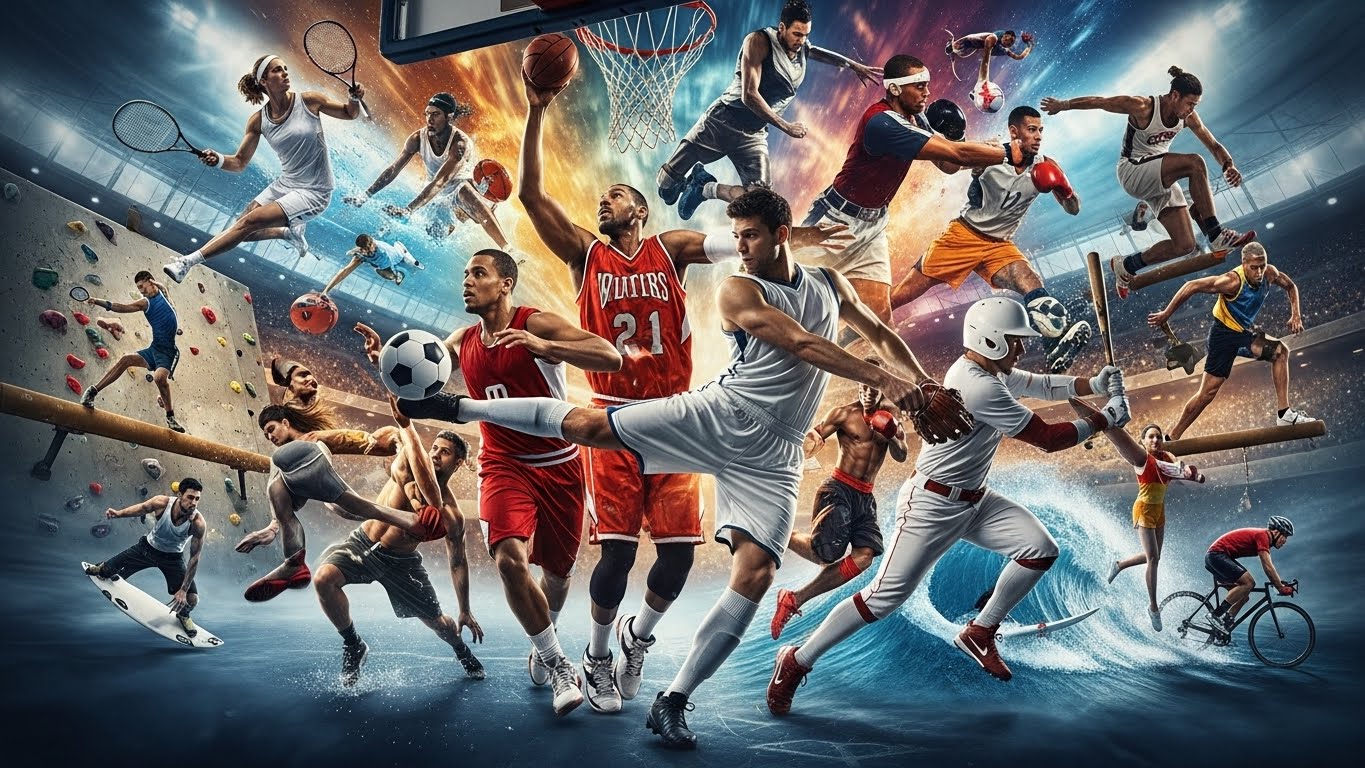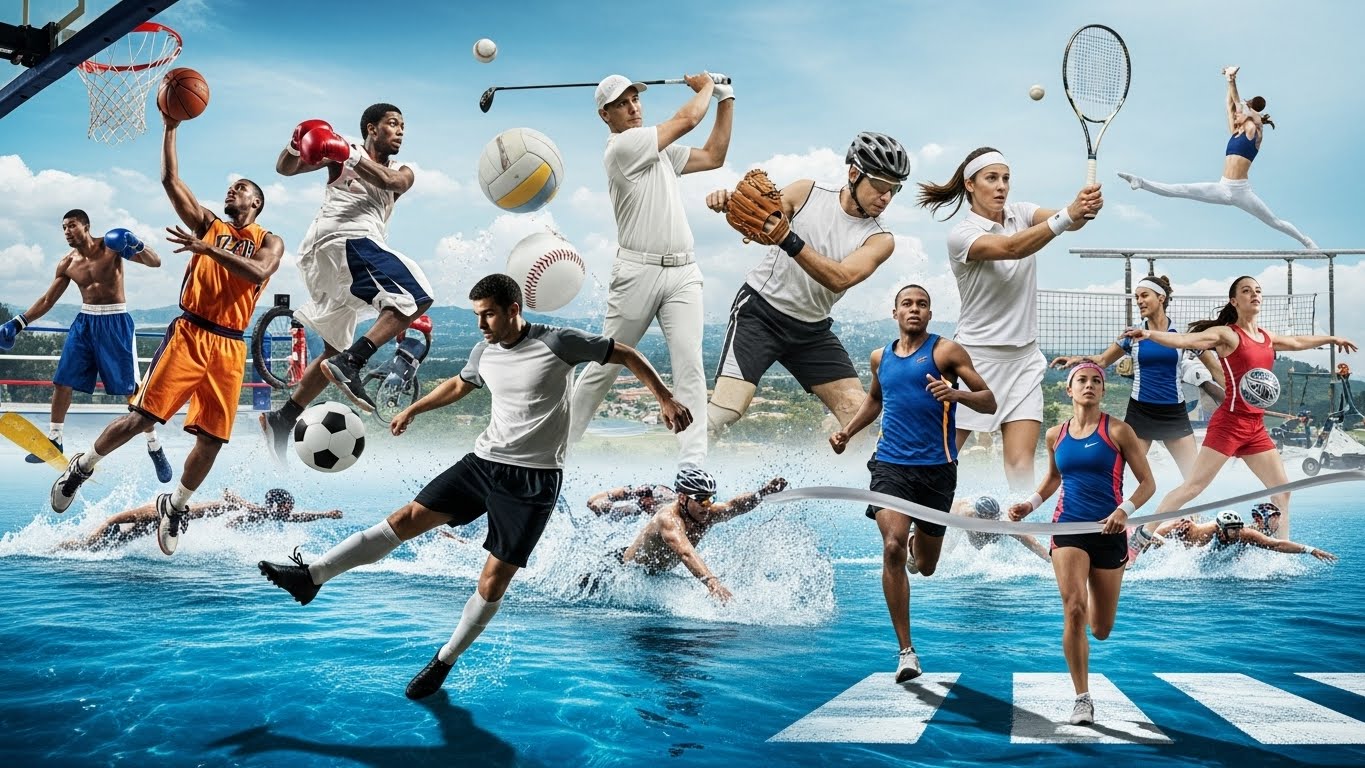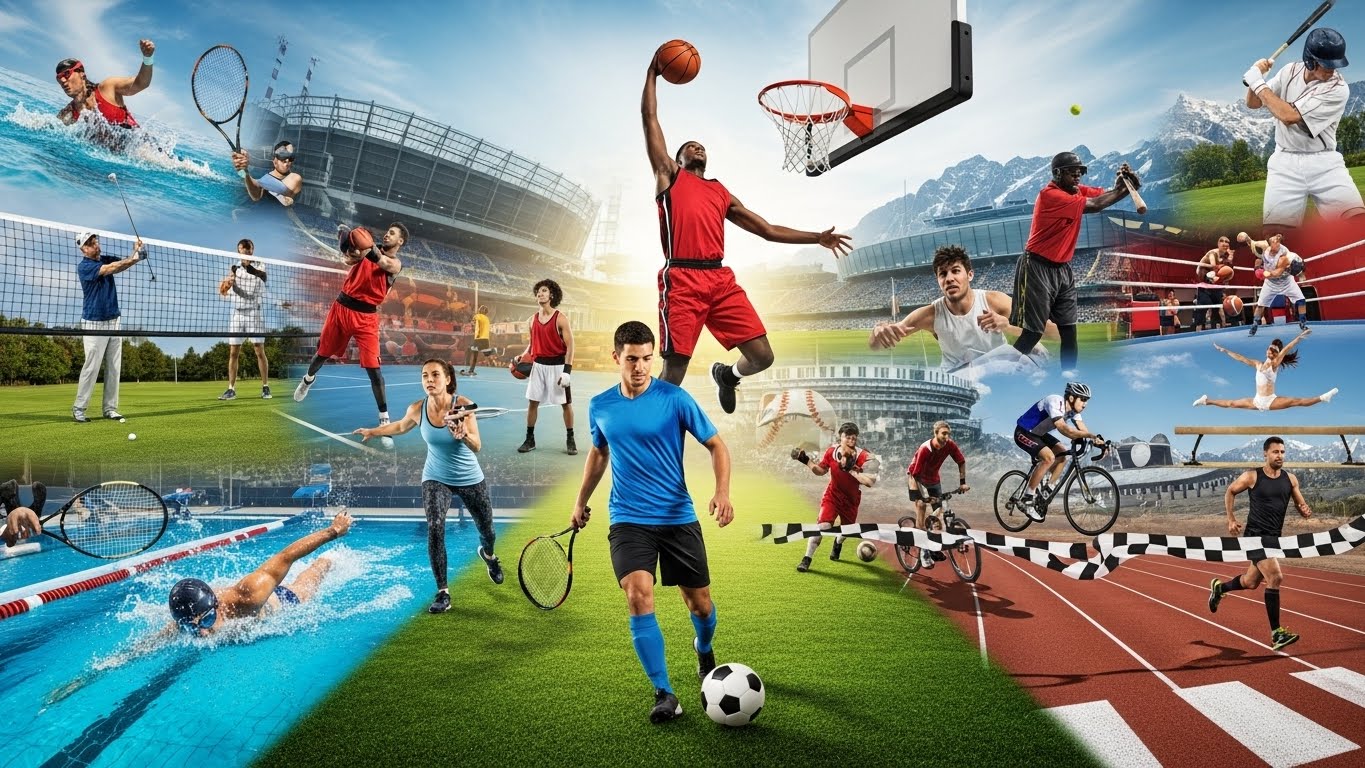







Sports have been an integral part of human civilization for centuries, transcending geographical boundaries and cultural differences. They are more than just games played on fields, courts, or tracks; sports embody the spirit of competition, physical prowess, teamwork, and personal growth. From ancient Olympic games to modern-day leagues, the world of sports continues to captivate millions of people globally.
The Historical Significance of Sports
The origins of sports can be traced back to ancient civilizations where physical contests were a form of entertainment and a way to honor deities. In Ancient Greece, the Olympics were a manifestation of physical excellence and discipline. Similarly, ancient Chinese and Egyptian societies had martial arts and combat games, emphasizing strength and strategy. Sports in history were not only recreational activities but also a means of training warriors, fostering community spirit, and showcasing societal values.
The evolution of sports over centuries has led to the creation of organized leagues, international tournaments, and professional competitions. Sports have transformed into a global phenomenon where passion, skill, and determination are celebrated, and athletes achieve hero-like status.
Physical and Mental Benefits of Sports
Engaging in sports offers numerous physical benefits. Regular participation improves cardiovascular health, enhances muscular strength, increases flexibility, and promotes overall fitness. Sports also help in weight management, reduce the risk of chronic diseases, and strengthen the immune system. Activities like swimming, running, or cycling provide a full-body workout, while team sports such as football or basketball improve coordination and agility.
Beyond the physical advantages, sports play a crucial role in mental health. They teach discipline, focus, and perseverance, which are essential life skills. Participation in sports reduces stress, anxiety, and depression by releasing endorphins, the natural mood elevators. Moreover, sports encourage goal-setting and strategic thinking, fostering problem-solving skills that are applicable in real-life situations.
Team Sports and Their Impact
Team sports are a unique category that emphasizes collaboration and collective effort. Football, basketball, cricket, rugby, and hockey are prime examples where success depends on teamwork, communication, and mutual trust. In team sports, players learn to work with diverse personalities, manage conflicts, and develop leadership skills.
The camaraderie built through team sports extends beyond the playing field. It creates a sense of belonging and strengthens social bonds. Young athletes, in particular, benefit from these interactions as they learn cooperation, empathy, and responsibility. Team sports also instill resilience, as players experience both victories and defeats, teaching them to handle success and failure gracefully.
Individual Sports: Personal Challenges and Triumphs
While team sports emphasize collective achievement, individual sports focus on personal skill, determination, and self-discipline. Athletics, swimming, tennis, gymnastics, boxing, and martial arts are examples where athletes push their limits to achieve personal goals. Individual sports highlight the importance of self-motivation, mental toughness, and dedication.
The journey of an individual athlete is often filled with rigorous training, sacrifices, and personal challenges. However, the sense of accomplishment from mastering a skill or winning a competition is immensely rewarding. Individual sports also provide opportunities for introspection, self-improvement, and discovering one’s true potential.
The Role of Technology in Modern Sports
Technology has revolutionized the world of sports, enhancing both performance and entertainment. From advanced training equipment to data analytics, athletes now have access to tools that optimize their performance. Wearable devices track heart rate, distance, and calories burned, helping athletes tailor their training programs. Video analysis allows players and coaches to study techniques, correct mistakes, and devise strategies.
Technology has also transformed how fans engage with sports. Live streaming, instant replays, and interactive apps bring the thrill of the game directly to audiences worldwide. Social media platforms enable fans to connect with athletes, follow updates, and participate in discussions, creating a global sports community.
Major Sports Around the World
Certain sports have achieved global recognition due to their popularity, history, and cultural significance. Football, known as soccer in some countries, is the world’s most popular sport, played and watched by billions. Its simplicity, excitement, and international tournaments like the FIFA World Cup make it a unifying force across nations.
Basketball, with its fast-paced action and high-scoring games, has a massive following, particularly in the United States, Europe, and Asia. Cricket, deeply rooted in countries like India, Australia, and England, combines tradition with competitive spirit, making it more than just a game for millions of fans.
Other sports such as tennis, golf, and athletics have a dedicated global audience, with international tournaments attracting participants from diverse backgrounds. Each sport has its unique charm, rules, and strategies, contributing to the rich tapestry of global sports culture.
Sports and Education
Sports play a vital role in educational institutions, promoting physical fitness, teamwork, and discipline among students. Schools and colleges organize inter-school and inter-college competitions, encouraging students to participate in various sports. These activities help in developing time management skills, leadership qualities, and resilience.
Many athletes discover their potential in school sports programs, eventually pursuing professional careers. Educational institutions also use sports as a medium to teach values like fair play, respect, and determination, preparing students for life beyond academics.
Women in Sports: Breaking Barriers
Historically, sports were male-dominated, but the participation of women has grown significantly over the decades. Female athletes are now excelling in fields like football, cricket, tennis, athletics, and martial arts, challenging stereotypes and inspiring future generations.
The achievements of women in sports have a profound social impact. They promote gender equality, empower young girls, and encourage societal acceptance of women in traditionally male-dominated arenas. International platforms like the Olympics and World Championships showcase female talent, fostering global recognition and respect.
Sportsmanship and Ethical Values
Sportsmanship is a fundamental aspect of sports, emphasizing respect, fairness, and integrity. Winning is important, but how one wins or loses matters more. Ethical conduct in sports teaches athletes to compete with dignity, follow rules, and respect opponents.
Fair play extends beyond physical contests; it reflects in attitudes, decision-making, and interactions. Coaches and mentors play a crucial role in instilling these values, shaping not just athletes but responsible individuals who contribute positively to society.
The Economic Impact of Sports
Sports have a significant economic influence worldwide. Professional leagues, tournaments, sponsorships, and merchandise sales generate billions in revenue annually. Countries invest in sports infrastructure, training programs, and talent development, recognizing the potential for economic growth.
Major sporting events like the Olympics, FIFA World Cup, and Super Bowl attract tourism, create job opportunities, and boost local economies. Sports-related industries, including apparel, broadcasting, and fitness equipment, further contribute to economic development.
Adventure and Extreme Sports
Adventure and extreme sports offer thrill-seekers an opportunity to push their limits. Activities like rock climbing, skydiving, surfing, mountain biking, and paragliding combine physical challenges with mental courage. These sports require not only strength and skill but also careful planning and risk assessment.
The popularity of adventure sports has grown in recent years, with enthusiasts seeking unique experiences and adrenaline rushes. Adventure sports also promote environmental awareness, as participants often engage with natural landscapes and learn the importance of conservation.
The Influence of Sports on Culture
Sports influence culture in multiple ways, shaping social norms, entertainment, and identity. Iconic athletes become cultural icons, inspiring art, literature, fashion, and media. National pride is often associated with sports achievements, creating a shared sense of identity and unity.
Cultural festivals and traditions often incorporate sports, reflecting local values and heritage. Sports also foster international diplomacy, where global competitions promote mutual understanding, collaboration, and peace among nations.
Sports as a Career
For many individuals, sports are not just a hobby but a career path. Professional athletes, coaches, sports analysts, referees, and fitness trainers form the backbone of the sports industry. A career in sports requires dedication, resilience, and continuous learning.
Athletes face challenges such as injuries, performance pressure, and competition, but success brings recognition, financial rewards, and personal fulfillment. Beyond playing, careers in sports management, media, and entrepreneurship offer diverse opportunities for those passionate about the field.
The Future of Sports
The future of sports is dynamic and promising. Innovations in technology, training methods, and fan engagement will continue to shape the industry. Emerging sports, virtual competitions, and esports are gaining popularity, reflecting changing interests and digital integration.
Sustainability and inclusivity will play key roles in the evolution of sports. Efforts to reduce environmental impact, promote gender equality, and provide access to sports for people with disabilities are becoming increasingly important. The future promises a world where sports remain a unifying force, inspiring generations to come.
Conclusion
Sports are a reflection of human aspiration, resilience, and creativity. They go beyond competition, encompassing physical fitness, mental health, ethical values, cultural identity, and economic influence. Whether as a player, coach, or fan, involvement in sports enriches lives, fosters unity, and inspires greatness.
From ancient traditions to modern innovations, sports continue to evolve, yet their core essence remains the same: a celebration of skill, dedication, and the human spirit. In a world that constantly changes, sports provide continuity, joy, and a sense of belonging that connects people across borders, generations, and cultures.