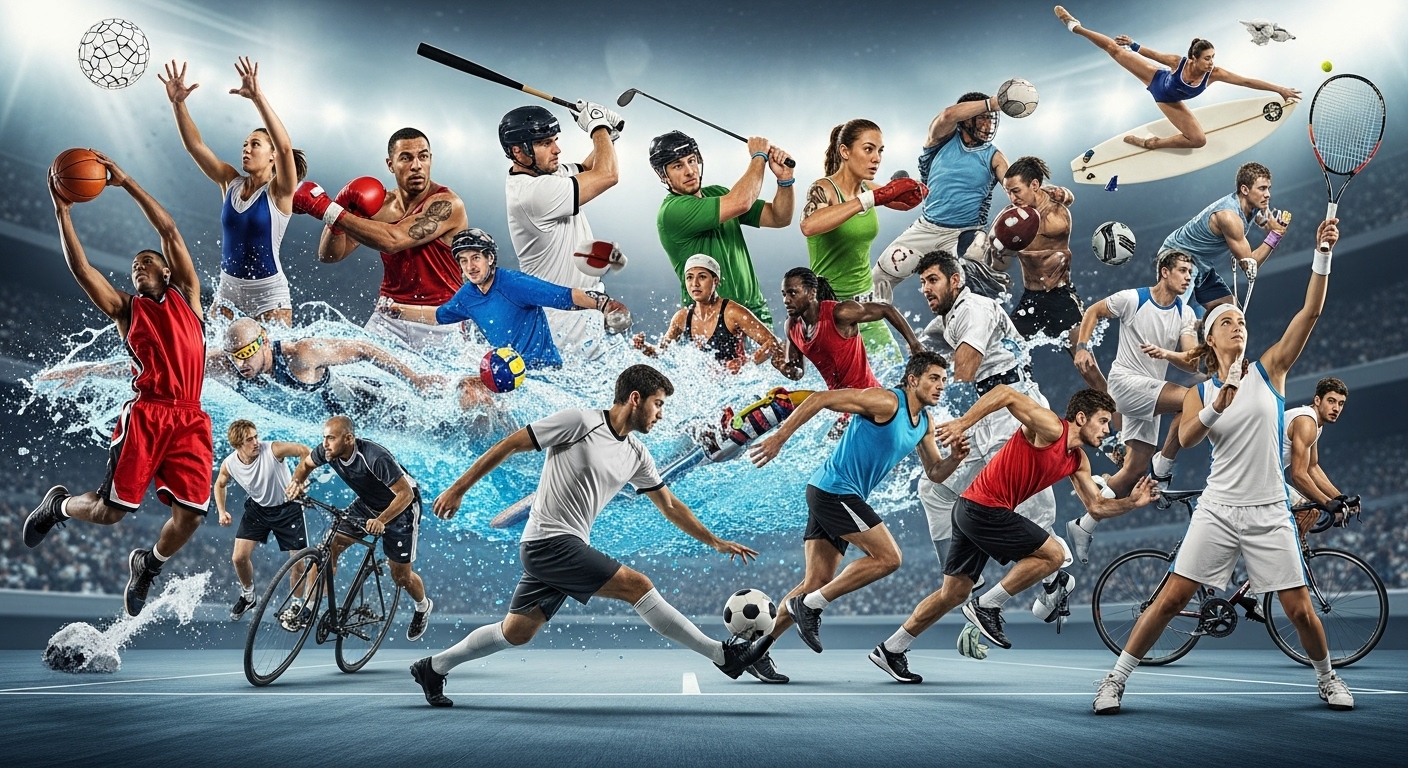






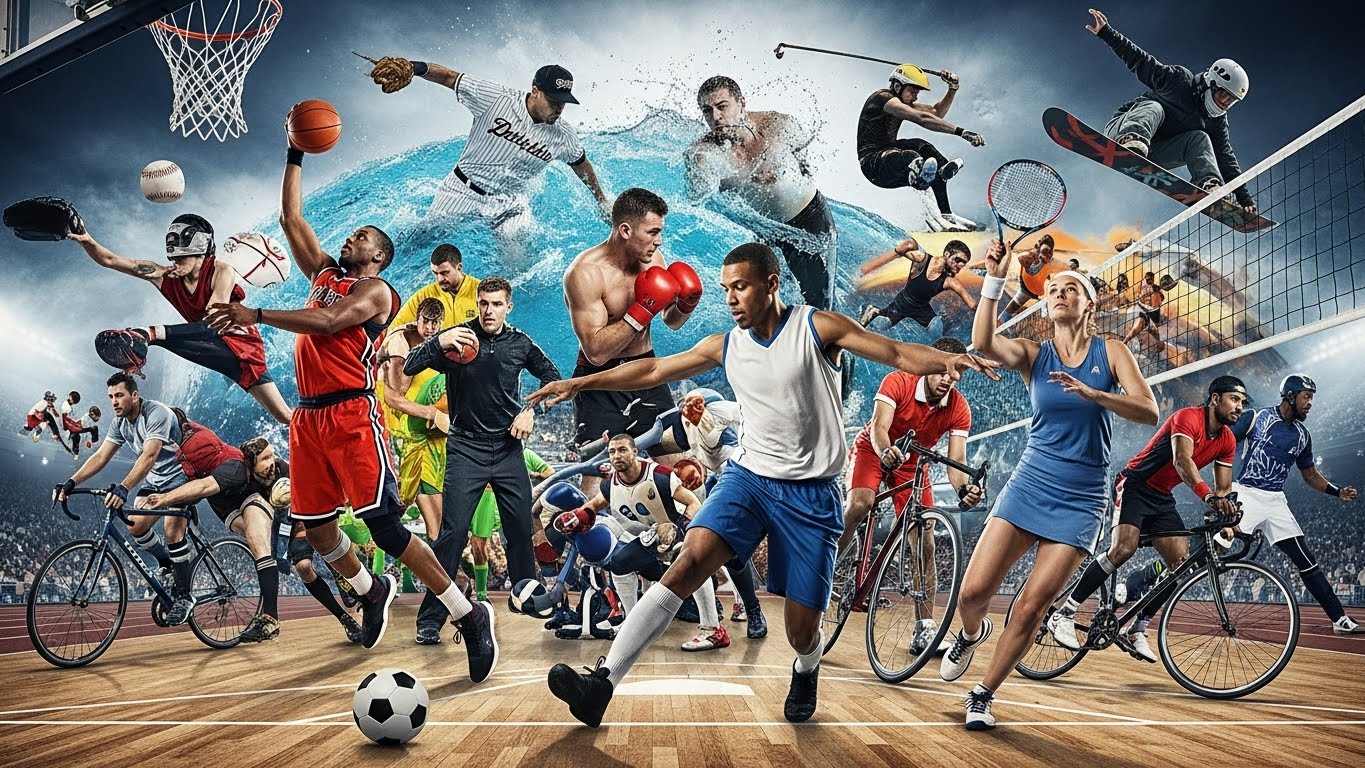
Sports have been an integral part of human society for centuries, transcending borders, cultures, and generations. From the ancient Olympic Games in Greece to the modern professional leagues worldwide, sports have consistently served as a medium for competition, entertainment, and social cohesion. Yet, their impact goes far beyond physical activity or winning trophies. Sports influence personal development, societal values, economic growth, and even international diplomacy. In this blog post, we explore the multifaceted world of sports, their benefits, challenges, and why they remain indispensable in our lives.
The Historical Significance of Sports
Sports have always played a vital role in human history. Ancient civilizations, including the Greeks, Romans, and Egyptians, integrated athletic contests into their cultural and religious practices. The Olympic Games, originating in 776 BCE, were not merely a display of physical prowess but a symbol of unity and peace among city-states. Similarly, gladiatorial contests in Rome, though violent, reflected the social and political dynamics of the era. Over time, sports evolved from local customs into organized competitions, paving the way for the structured leagues and tournaments we see today.
The historical trajectory of sports demonstrates their enduring appeal and significance. They have consistently mirrored societal values, from discipline and honor to resilience and teamwork. Understanding this history allows us to appreciate not only the spectacle of sports but also their cultural and symbolic importance.
Physical and Mental Benefits of Sports
Engaging in sports provides profound physical and mental advantages. Physically, sports improve cardiovascular health, build muscle strength, enhance flexibility, and boost overall endurance. Regular participation in athletic activities reduces the risk of chronic illnesses such as obesity, diabetes, and hypertension. For young people, sports foster healthy growth and development, helping establish lifelong habits of fitness and wellness.
The mental benefits of sports are equally compelling. Participation encourages discipline, focus, and strategic thinking. Athletes learn to cope with pressure, overcome failure, and celebrate success with humility. Additionally, sports act as a natural stress reliever, triggering the release of endorphins and enhancing mood. For many, the psychological rewards of sports—confidence, resilience, and emotional balance—extend far beyond the playing field.
Social Impact and Community Building
One of the most powerful aspects of sports is their ability to bring people together. Stadiums, arenas, and local sports clubs serve as hubs for community interaction, fostering camaraderie and collective identity. Sports have the unique power to unite individuals from diverse backgrounds, bridging cultural, racial, and socioeconomic divides.
Community sports programs, in particular, offer valuable opportunities for youth engagement. They provide safe spaces for children and teenagers, teaching essential life skills such as teamwork, leadership, and communication. In many regions, sports also serve as a vehicle for social change, promoting gender equality and inclusion. Female participation in sports has been rising globally, challenging traditional gender norms and empowering women to take on leadership roles both on and off the field.
Economic Influence of Sports
Beyond personal and social benefits, sports are a significant economic driver. Professional leagues, tournaments, and sporting events generate substantial revenue through ticket sales, merchandising, sponsorships, and media rights. Cities and countries hosting major events like the Olympics, World Cup, or international cricket tournaments often experience boosts in tourism, infrastructure development, and job creation.
Sports also create career opportunities beyond athletes. Coaches, trainers, sports analysts, physiotherapists, event managers, and marketers contribute to a vast ecosystem that sustains the industry. Even grassroots sports initiatives can stimulate local economies, highlighting how sports are intertwined with financial growth and employment opportunities.
Sports and Education
Integrating sports into education systems is another essential dimension of their influence. Schools and colleges worldwide recognize the importance of physical education in promoting holistic development. Participation in school-level sports enhances academic performance, improves concentration, and cultivates time management skills. Student-athletes often display higher levels of discipline, resilience, and collaboration compared to their peers.
Moreover, scholarships and sports-related programs open doors for talented individuals to access higher education and professional training. In countries where education and resources may be limited, sports provide a platform for young people to achieve social mobility and personal growth. The connection between sports and education underscores the role of athletics as a tool for empowerment and opportunity.
Challenges in the World of Sports
While sports offer numerous benefits, the industry is not without challenges. One of the most pressing issues is the prevalence of doping and performance-enhancing drugs. Such practices undermine the integrity of competitions, endanger athletes’ health, and erode public trust. Governing bodies and regulatory authorities continuously work to maintain fair play, but the battle against unethical practices remains ongoing.
Another challenge is the commercialization of sports. While financial investment drives the growth of leagues and events, excessive commercialization can overshadow the essence of sportsmanship. Sponsorships, media rights, and endorsements often prioritize profit over athletic excellence, sometimes placing undue pressure on athletes.
Injuries also pose a significant concern, particularly in high-contact sports like football, rugby, or hockey. Proper training, medical support, and preventive measures are essential to safeguard athletes’ well-being and longevity in their careers.
Technology and Innovation in Sports
Modern technology has transformed the sports landscape, influencing training, performance analysis, and fan engagement. Advanced data analytics help coaches optimize strategies, assess player performance, and reduce injury risks. Wearable devices track heart rates, distances, and motion patterns, enabling personalized training regimens for athletes at all levels.
Broadcasting innovations and digital platforms have also expanded the global reach of sports. Fans can now watch live matches from any corner of the world, interact through social media, and access real-time statistics. Virtual reality and augmented reality are emerging as tools to enhance training and fan experiences, demonstrating that sports continue to evolve alongside technological advancements.
Sports as a Cultural Phenomenon
Sports are more than just competitions; they are a cultural phenomenon. Iconic athletes become role models, their stories inspiring millions. Legendary figures in football, basketball, cricket, and athletics often embody perseverance, dedication, and excellence. Their achievements transcend the boundaries of the game, influencing fashion, music, and lifestyle trends.
Sports also reflect cultural identity and pride. National teams evoke patriotism during international competitions, while local clubs foster a sense of belonging within communities. The rituals, chants, and traditions associated with sports create a shared cultural experience, reinforcing the social fabric of societies.
The Future of Sports
Looking ahead, sports are likely to continue evolving in response to societal, technological, and environmental trends. Sustainability is becoming a key consideration, with organizers striving to reduce the ecological footprint of large-scale events. Innovations in training, equipment, and infrastructure will enhance safety and accessibility, encouraging wider participation.
The future of sports also lies in inclusivity. Adaptive sports for people with disabilities are gaining recognition and support, breaking down barriers and promoting equal opportunities. Esports, a digital form of competitive gaming, is emerging as a mainstream category, highlighting how traditional definitions of sports are expanding.
Ultimately, the enduring appeal of sports lies in their universality. Despite changes in technology, society, and culture, the fundamental human desire to compete, improve, and connect remains constant. Sports will continue to serve as a mirror of society, a tool for personal growth, and a source of joy for generations to come.
Conclusion
Sports are far more than games; they are a reflection of human aspiration, discipline, and unity. They shape individuals physically, mentally, and socially while contributing to cultural identity and economic growth. The challenges within sports, such as commercialization and ethical concerns, remind us of the need to preserve their core values. At the same time, advancements in technology and inclusivity promise an exciting and dynamic future.
From local playgrounds to global arenas, sports remind us of the power of teamwork, perseverance, and shared experiences. They bring people together in ways few other activities can, fostering a sense of belonging, pride, and mutual respect. In every pass, goal, race, or match, sports capture the essence of human spirit—a drive to excel, connect, and celebrate life. Embracing the world of sports, therefore, is not just about entertainment or competition; it is about embracing the very qualities that make us human.